

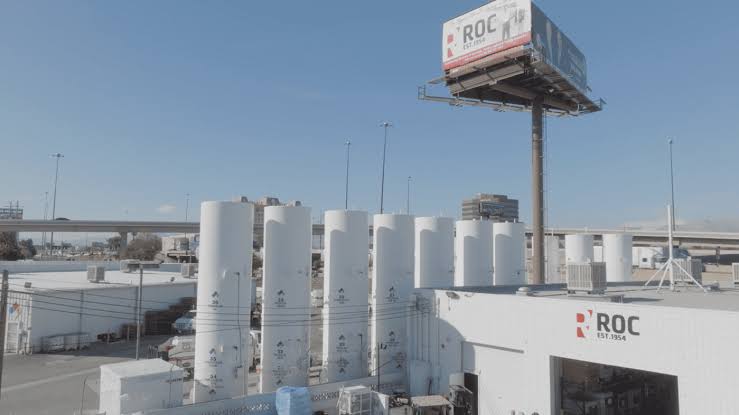
Effective fuel distribution is a critical component for oil companies striving to enhance their operational efficiency and market presence. ROC, operating under the Rebel Oil Company brand, provides extensive expertise in fuel distribution strategies that are designed to optimize supply chains and improve service delivery. This article delves into the methodologies and insights that ROC applies to fuel distribution, highlighting their innovative approaches adapted to current market demands.
A key aspect of fuel distribution revolves around the selection and management of a dependable fuel distributor. ROC’s approach involves a comprehensive analysis of logistic networks and transportation modalities to ensure timely delivery and cost effectiveness. By leveraging data-driven strategies, ROC is able to predict demand fluctuations and adjust distribution plans accordingly, minimising wastage and reducing operational costs.
The Importance of Strategic Fuel Distribution
Fuel distribution functions as the backbone of the oil industry’s supply chain. The efficacy of these strategies directly influences the availability of fuel products at retail and commercial points. ROC’s emphasis on strategic planning helps maintain consistent product supply, thereby supporting economic activity and energy security. Their strategies focus on aligning distribution capacity with market needs and environmental regulations.
Integrating Technology in Distribution Networks
ROC adopts cutting-edge technology to streamline the fuel distribution process. Utilising advanced software tools, sensor technologies, and real-time tracking systems, ROC enhances visibility across the distribution network. This integration allows for better inventory management and rapid response to any disruptions, thereby increasing reliability for their partners and customers.
Supply Chain Optimisation Techniques
To optimise the supply chain, ROC employs techniques such as route optimisation, demand forecasting, and supply scheduling. These methods significantly reduce transit times and fuel consumption associated with distribution logistics. The resultant cost savings can be passed on to customers or reinvested into infrastructure improvements.
Environmental Considerations in Fuel Distribution
Recognising the critical need for sustainable practices, ROC incorporates environmental considerations into their distribution models. This includes minimising carbon emissions by selecting efficient transport modes and reducing unnecessary mileage. ROC also explores alternative fuels and cleaner technologies to contribute to environmental stewardship within the industry.
Risk Management and Contingency Planning
Fuel distribution is subject to various risks including supply disruptions, regulatory changes, and market volatility. ROC’s strategic framework includes robust risk management and contingency plans that ensure business continuity. By anticipating potential challenges, ROC is able to implement adaptive solutions that mitigate operational impacts.
Collaborative Partnerships and Stakeholder Engagement
Successful fuel distribution depends on strong collaborations with suppliers, transporters, and regulatory bodies. ROC fosters transparent communication and mutually beneficial partnerships within the industry ecosystem. This cooperative approach enhances trust and facilitates smoother operational execution.
Training and Development for Distribution Teams
ROC invests in continuous training and development for its distribution workforce to maintain high standards of safety and efficiency. Through specialised programmes, staff members are equipped with skills to handle advanced technologies and comply with regulatory requirements.
Use of Data Analytics in Decision-Making
Data analytics is central to ROC’s distribution strategies. By analysing consumption patterns and logistic performance metrics, ROC identifies improvement areas and refines its operational tactics. This evidence-based approach supports more accurate inventory management and reduces the risk of stockouts or oversupply.
Enhancing Customer Experience Through Distribution
Efficient fuel distribution directly translates into improved customer satisfaction. ROC’s targeted strategies ensure fuel availability and consistent quality, fostering customer loyalty. Additionally, the company offers customised delivery solutions to meet diverse client requirements.
Adapting to Market Trends
Market dynamics continuously evolve, influenced by economic conditions, technological advances, and consumer behaviours. ROC remains vigilant to such changes and proactively adjusts its distribution frameworks to maintain competitive advantage and operational excellence.
Regulatory Compliance and Industry Standards
Adhering to regulatory guidelines is fundamental in fuel distribution. ROC ensures full compliance with all relevant laws and industry standards, which safeguards its operations and reputation. This commitment also mitigates legal risks and promotes sustainable business practices.
Innovation in Fuel Delivery Solutions
Innovation is a driving force behind ROC’s ability to optimise fuel distribution. The company explores new delivery methods, including automated systems and alternative transport options, to enhance efficiency and reduce environmental impact.
Case Studies and Performance Metrics
ROC regularly evaluates its distribution strategy effectiveness through performance metrics and case studies. These assessments provide valuable insights that inform continuous improvement initiatives and strategic refinements.
Future Directions in Fuel Distribution
Looking ahead, ROC is committed to integrating emerging technologies such as artificial intelligence and blockchain to further streamline fuel distribution. These technologies promise to enhance traceability, transparency, and efficiency across the entire supply chain.
In conclusion, ROC’s fuel distribution strategies, grounded in innovation, technology, and sustainability, offer a comprehensive model for optimising fuel delivery. Their commitment to strategic planning and operational excellence positions them as a leading fuel distributor adapting effectively to the evolving needs of the energy sector.
