

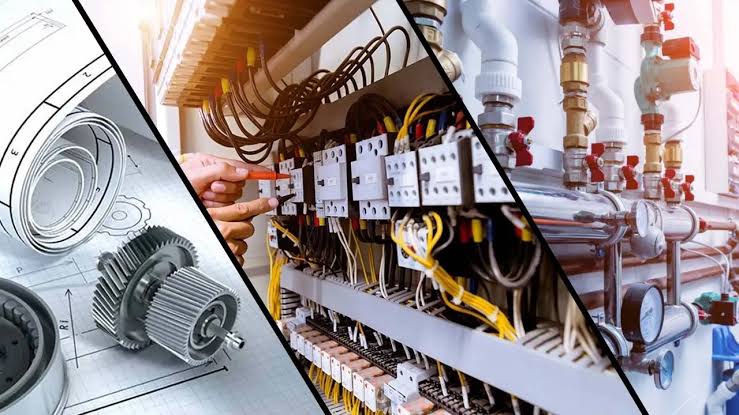
Modern construction projects depend on accurate cost planning, coordinated building systems, and reliable material calculations. From commercial office buildings and hospitals to industrial facilities and residential developments, contractors must understand the financial and technical requirements of each trade before construction begins. In projects involving complex piping networks and mechanical, electrical, and plumbing installations, even small estimating errors can lead to budget overruns, material shortages, and scheduling problems.
This is where professional Piping Estimating Services and MEP Estimating Services become valuable. These services help contractors determine material quantities, calculate labor requirements, evaluate equipment costs, and prepare detailed estimates for their construction projects.
Although piping estimating focuses on piping systems and their associated components, MEP estimating covers a broader range of building services, including mechanical equipment, electrical installations, and plumbing systems. Together, these estimating disciplines help construction professionals develop realistic budgets and make better decisions during bidding, procurement, and project execution.
Understanding Piping Estimating Services
Piping estimating involves calculating the quantities and costs associated with piping installations in commercial, residential, and industrial construction. The process requires a detailed review of construction drawings, piping layouts, specifications, equipment schedules, and relevant project information.
Depending on the project, piping work may include water distribution, drainage, heating and cooling systems, industrial process piping, compressed air lines, and specialized utility networks.
A piping estimate typically identifies pipe lengths, diameters, material types, fittings, valves, supports, insulation, and other components required for the defined scope of work. Labor requirements, equipment costs, and applicable installation expenses are then considered to develop a comprehensive cost breakdown.
For example, an industrial facility may require carbon steel piping for process operations, stainless steel lines for specific applications, and separate utility piping for water or compressed air. Each system can have different material specifications, installation methods, and cost considerations.
Accurate piping estimating helps contractors understand these differences before submitting a bid or committing to a purchasing plan.
Why Accurate Piping Estimates Matter
1. Better Material Quantity Calculations
Piping systems consist of more than straight pipe sections. Their complete installation may require elbows, tees, reducers, flanges, couplings, valves, hangers, and specialty fittings.
If an estimate overlooks these components, the contractor may encounter unexpected purchasing expenses during construction.
Professional piping estimating services review the available drawings and specifications to identify the materials required for the specified work. Quantities can be organized by pipe size, material type, system, or installation area to make procurement more manageable.
A well-organized takeoff also helps contractors compare supplier quotations and identify differences between the estimated scope and the materials being priced.
2. Improved Labor Cost Planning
Piping installation costs depend on several factors, including pipe diameter, material, jointing method, installation height, accessibility, and system complexity.
For example, installing large-diameter industrial piping may require different equipment and labor skills from installing smaller domestic water lines in a residential building.
An effective estimate considers the installation conditions and applies suitable labor productivity assumptions. It may also account for welding, threading, grooving, testing, insulation, and other activities when included in the project scope.
Realistic labor calculations help contractors avoid relying on material costs alone when preparing a bid.
3. Reduced Procurement Problems
Material availability and delivery schedules can influence piping installation. Certain valves, specialty fittings, and fabricated piping components may require longer procurement periods than standard materials.
A detailed piping takeoff provides a clearer picture of purchasing requirements. Contractors can use this information to request quotations, identify long-lead items, and coordinate deliveries with the construction schedule.
Although estimating does not guarantee material availability, it gives procurement teams a stronger basis for planning purchases and evaluating supplier offers.
What Are MEP Estimating Services?
MEP stands for mechanical, electrical, and plumbing. These systems provide essential functions within modern buildings, supporting heating, cooling, ventilation, lighting, power distribution, water supply, drainage, and other building services.
MEP estimating involves measuring the quantities and calculating the anticipated costs associated with these systems.
Mechanical estimating may cover HVAC equipment, ductwork, piping, insulation, and related accessories. Electrical estimating can include wiring, conduits, cable trays, fixtures, distribution equipment, and electrical devices. Plumbing estimating may involve water supply lines, drainage systems, fixtures, valves, and associated piping components.
Depending on the project, an MEP estimate may also include equipment installation, labor, testing, commissioning, and other specified activities.
Because these systems often share limited space within walls, ceilings, shafts, and service rooms, estimating requires a clear understanding of the project drawings and the relationships between different trades.
Key Benefits of Professional MEP Estimating Services
Supporting Competitive Construction Bids
Contractors must prepare bids that are competitive while still covering the costs of completing the required work.
An estimate that overlooks equipment, fittings, installation labor, or other scope requirements can create serious financial problems after a project is awarded.
Professional MEP estimating services help organize quantities and costs into a structured breakdown. This enables contractors to review major cost components, evaluate supplier quotations, and identify potential omissions before submitting a proposal.
A detailed estimate can also help subcontractors understand which work items require additional clarification before pricing.
Improving Coordination Between Mechanical, Electrical, and Plumbing Trades
MEP systems frequently interact with structural components and architectural finishes. HVAC ductwork may need to pass through restricted ceiling spaces, while plumbing pipes and electrical conduits must follow suitable routes without creating access or installation conflicts.
Estimating professionals review the available documents to quantify the defined scope. Where discrepancies or missing information affect quantities, they can flag those issues for clarification.
Coordination with the design and installation teams is particularly important when updated drawings introduce new equipment, revised routes, or additional connections.
Resolving these issues before procurement can help reduce unexpected costs and unnecessary material orders.
Supporting Project Budget Management
An MEP estimate gives contractors and project managers a reference point for reviewing anticipated expenses.
By organizing costs according to trade, system, or work package, the estimate helps identify where a large share of the budget is allocated.
If equipment prices increase or the project scope changes, the affected quantities and costs can be reviewed and updated.
This makes it easier to compare the revised estimate with the original budget and understand the potential financial impact of design changes.
The Connection Between Piping Estimating and MEP Estimating
Piping estimating can be treated as a specialized part of a broader MEP estimating scope when the piping work belongs to mechanical or plumbing systems.
However, the two services are not always identical. Industrial process piping, for example, may involve specialized materials, welding requirements, pressure ratings, fabrication methods, and testing procedures that fall outside a conventional building plumbing estimate.
Understanding the project scope is therefore essential.
Consider a commercial building with a central HVAC system. The mechanical estimate may include chillers, pumps, ductwork, chilled-water piping, valves, insulation, and associated equipment. A dedicated piping estimate can provide a more detailed breakdown of the pipework, fittings, and related installation requirements.
The results can then be incorporated into the broader MEP cost estimate without unnecessarily duplicating quantities.
Similarly, a hospital project may require extensive domestic water, drainage, heating, cooling, and specialized mechanical systems. Separate trade-level estimates can provide detailed information while the overall MEP estimate consolidates the costs for project budgeting and bid preparation.
Effective coordination between these estimating activities helps maintain consistency across the project.
How Professional Estimating Services Are Prepared
Reliable estimating follows a structured process designed to improve the quality of quantities and cost calculations.
Step 1: Review Drawings and Specifications
The estimator begins by examining the available plans, schedules, specifications, and project requirements.
For piping work, this may involve reviewing piping layouts, system diagrams, equipment connections, and material specifications. For broader MEP estimating, the review may include HVAC plans, electrical layouts, plumbing drawings, and equipment schedules.
The purpose is to establish the scope of work and identify missing information or inconsistencies that could affect pricing.
Step 2: Perform Material Takeoffs
The estimator measures and counts the required components using appropriate manual or digital methods.
Depending on the system, this may include pipe lengths, fittings, valves, equipment, ductwork, wiring, fixtures, and accessories.
Quantities should be organized into understandable categories so contractors can review the estimate and compare it with supplier quotations.
Step 3: Calculate Labor and Installation Costs
After establishing quantities, the estimator applies appropriate labor rates and productivity assumptions.
The calculations may consider installation complexity, crew requirements, access conditions, equipment usage, and the construction location.
Project-specific factors should be documented because labor costs can vary significantly between different markets and installation environments.
Step 4: Apply Material Prices and Other Costs
Material pricing is developed using relevant supplier quotations, current price information, and the project’s specifications.
Depending on the agreed scope, the estimate may also include equipment rentals, transportation, waste allowances, subcontractor costs, overhead, and profit.
Taxes, permits, testing, commissioning, and other costs should be addressed according to the project’s requirements rather than assumed to be included automatically.
Step 5: Review and Deliver the Estimate
Before finalizing the estimate, the quantities, calculations, assumptions, and exclusions should be reviewed for consistency.
The final deliverables may include a detailed quantity takeoff, trade-level cost breakdown, material list, and estimate summary.
A clear report enables contractors to understand how the total was developed and which items may require further investigation.
Technology Used in Piping and MEP Estimating
Digital estimating tools can improve measurement efficiency and make quantity information easier to organize.
Software such as Bluebeam Revu and PlanSwift can support drawing measurements and takeoff preparation. Depending on the workflow, spreadsheets and specialized estimating platforms may be used to apply prices, calculate totals, and organize labor and material costs.
Building information modeling tools can also provide valuable information when suitable models are available and the project team has established reliable measurement procedures.
Nevertheless, technology does not replace estimating expertise. Drawings must be interpreted correctly, quantities must be checked against the specifications, and prices must reflect the appropriate market and project conditions.
The strongest estimating process combines suitable software with careful document review, trade knowledge, and quality control.
Choosing the Right Piping and MEP Estimating Partner
Selecting an experienced estimating provider can help contractors manage complex bidding requirements and improve the consistency of their project calculations.
Before engaging a provider, evaluate its experience with the relevant project type, familiarity with construction drawings, and ability to produce detailed material and labor breakdowns.
For piping projects, confirm that the provider understands the required pipe materials, fittings, valves, installation methods, and testing requirements. For MEP projects, ask about experience with mechanical equipment, electrical systems, plumbing installations, and trade coordination.
It is also important to establish expectations for turnaround times, revisions, file formats, pricing assumptions, and exclusions.
Providing complete and current project documents will help the estimating team produce a more useful result. When revised drawings or addenda become available, the estimator should identify the changes and evaluate their effect on the quantities and costs.
Conclusion
Accurate estimating plays an important role in construction planning, procurement, and financial management. Piping systems require detailed calculations of pipes, fittings, valves, labor, and related installation requirements, while MEP projects involve a broader range of mechanical, electrical, and plumbing components.
Professional Piping Estimating Services help contractors understand the costs associated with piping installations and prepare more reliable material purchasing plans. Meanwhile, MEP Estimating Services provide a structured approach to quantifying and pricing essential building systems.
When these services are coordinated with project drawings, specifications, supplier quotations, and construction schedules, contractors can identify potential cost issues earlier and make more informed decisions.
Whether managing a commercial building, healthcare facility, residential development, or industrial project, accurate piping and MEP estimates provide a stronger foundation for competitive bidding, efficient procurement, and effective cost control.
