

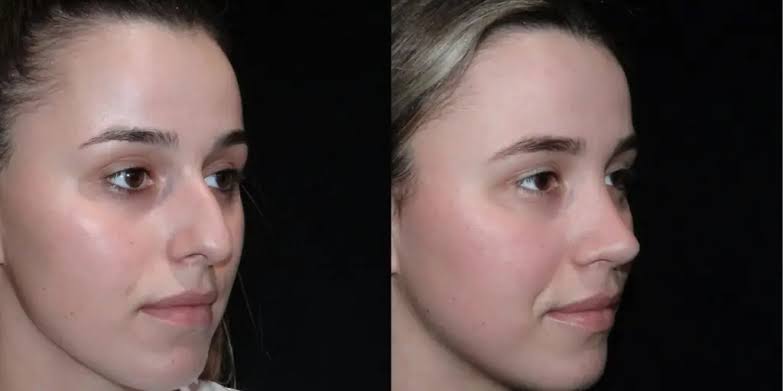
Rhinoplasty, commonly referred to as a nose job, is a specialised surgical procedure designed to alter the shape and appearance of the nose. Patients seeking rhinoplasty often do so to enhance facial harmony, improve nasal function, or correct congenital defects and trauma-related deformities. This comprehensive guide explores the rhinoplasty procedures offered by Dr. Shahidi, whose expertise in facial plastic surgery has transformed many lives through meticulous and personalised patient care.
At rhinoplasty consultations with Dr. Shahidi, patients receive thorough evaluations that include an assessment of nasal anatomy, facial proportions, and respiratory function. This assessment ensures that the surgical plan is tailored to achieve the most aesthetically pleasing and functionally effective results.
Understanding Rhinoplasty: Objectives and Techniques
The primary objective of rhinoplasty is to enhance the structural and aesthetic appearance of the nose while maintaining or improving nasal airflow. The procedure can address a variety of concerns such as humps on the bridge, drooping or bulbous tips, asymmetry, and size discrepancies in relation to other facial features.
Surgical techniques in rhinoplasty vary depending on the patient’s needs and desired outcome. These techniques typically fall into two categories: open rhinoplasty and closed rhinoplasty. Open rhinoplasty involves a small external incision on the columella, allowing greater visibility of nasal structures, which is particularly advantageous for complex reshaping. Closed rhinoplasty entails internal incisions without external scars and is generally reserved for less extensive modifications.
Consultation and Patient Assessment
Proper consultation is fundamental to achieving successful rhinoplasty outcomes. Dr. Shahidi emphasises a patient-centred approach, involving detailed discussions regarding the patient’s goals, expectations, and medical history. Photographic analysis and computer imaging are often utilised to illustrate potential results and facilitate mutual understanding between surgeon and patient.
Additionally, physical evaluation of nasal tissues, skin thickness, and cartilage strength assists in determining the most suitable surgical approach. Functional assessment of nasal breathing is also performed to identify and plan correction for any structural obstructions.
Preparation for Rhinoplasty Surgery
Prior to the operation, patients are provided with clear instructions to optimise their readiness and minimise risks. This includes advice on medication management, smoking cessation, and preoperative health evaluations. Dr. Shahidi ensures all patient inquiries are addressed, thereby alleviating any concerns regarding the procedure.
The surgery is conducted under general or local anaesthesia with sedation, depending on the extent of the reconstruction and patient preference. The procedure typically lasts between one and three hours.
The Procedure: Step-by-Step Overview
During rhinoplasty, Dr. Shahidi meticulously sculpts nasal bones, cartilage, and tissues to achieve the predetermined objectives. This may include the removal or augmentation of bone and cartilage, reshaping of the nasal tip, narrowing of the nasal bridge, or correction of septal deviations.
Structural grafts, often sourced from the septum or ear cartilage, may be employed to reinforce or enhance nasal contours. The incision sites are meticulously sutured to promote optimal healing with minimal visible scarring.
Postoperative Care and Recovery
Post-surgery, patients typically experience swelling, bruising, and mild discomfort, which gradually subside over several weeks. Dr. Shahidi provides detailed postoperative care instructions, which encompass wound management, medication regimens, and activity restrictions.
Follow-up visits are scheduled to monitor healing progress and address any patient concerns. Most patients can resume normal activities within two weeks, although full healing and final aesthetic results may take up to one year.
Potential Risks and Complications
As with any surgical procedure, rhinoplasty carries certain risks including infection, bleeding, scarring, and the possibility of needing revision surgery. However, Dr. Shahidi employs advanced techniques and stringent protocols to minimise these risks and ensure patient safety.
Any potential complications are thoroughly discussed during the preoperative consultation to ensure informed consent.
Who is an Ideal Candidate?
Ideal candidates for rhinoplasty are individuals with physical maturity, realistic expectations, and good overall health. Functional indications such as nasal obstruction or trauma-related deformities also qualify patients for surgery under expert care.
Psychological readiness to cope with postoperative changes and compliance with aftercare instructions further contribute to patient suitability.
Latest Advances in Rhinoplasty
Dr. Shahidi integrates modern advancements in rhinoplasty including ultrasonically assisted techniques for bone reshaping, preservation rhinoplasty approaches to maintain nasal structures, and computer-assisted surgical planning for enhanced accuracy.
These innovations contribute to improved outcomes, reduced recovery times, and increased patient satisfaction.
Conclusion
Rhinoplasty is a sophisticated procedure that demands surgical precision and artistic skill. With Dr. Shahidi’s expertise, patients can expect personalised treatment plans that enhance nasal aesthetics while preserving or improving function.
For individuals considering nasal reshaping, consultation with Dr. Shahidi at rhinoplasty services provides an opportunity to explore options, set realistic goals, and begin the transformation towards an improved appearance and self-confidence.
