

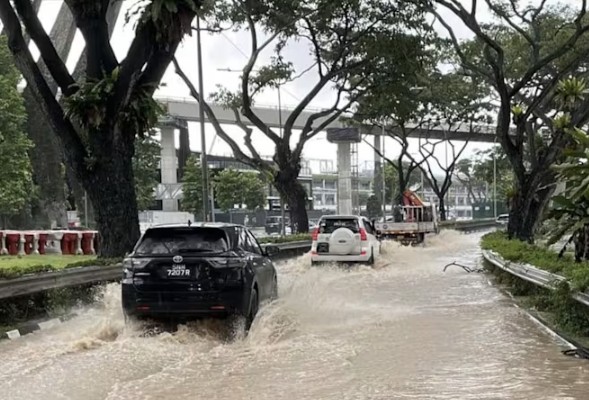
Understanding the risks associated with property investment or ownership is essential for protecting assets and ensuring long-term security. Amongst the various threats, flooding remains one of the most detrimental and often underestimated hazards. Therefore, undertaking a thorough flood risk assessment is indispensable. Utilising a Flood Check Property Report provides a detailed and expert analysis of potential flood vulnerabilities, helping property owners and buyers make informed decisions.
Significance of Flood Risk Assessment
A flood check is a critical component of property evaluation that assesses the likelihood and potential severity of flooding events at a specific location. While some may overlook this step during property purchase or development, skipping this can lead to substantial financial loss and safety risks. Flooding not only causes immediate damage to buildings but can also result in long-term issues such as mould, structural weakening, and decreased property value.
Flooding Patterns and Geographic Factors
The risk of flooding is influenced by a variety of environmental and geological factors. These include proximity to water bodies, soil absorption capabilities, elevation levels, and regional weather patterns. For instance, regions that frequently experience heavy rainfall or have poor drainage systems are at higher risk. Cities such as Brisbane are particularly susceptible, with a documented history of seasonal Brisbane Flooding that highlights the necessity of flood risk analysis before property transactions.
Understanding the Flood Check Property Report
The Flood Check Property Report offered by PropCheck delivers a comprehensive assessment tailored to individual properties. This report draws on extensive data, including flood mapping, historical records, and predictive modelling, to present a clear picture of flood exposure. Such detailed insights enable stakeholders to assess potential risks accurately, facilitating better planning and resource allocation.
Components of a Flood Check Report
A standard flood check report includes several vital elements: identification of flood-prone areas, classification of flood severity, and estimation of frequency and potential impact. It also evaluates the adequacy of drainage infrastructure and the likelihood of surface water accumulation during significant rainfall events. These factors combine to provide an actionable risk profile for the property.
Implications for Property Buyers and Owners
For property buyers, failing to conduct a flood check can result in unforeseen expenditures for repairs and insurance premiums. Properties located within high-risk flood zones may also face challenges in obtaining favourable financing options or insurance coverage. Owners benefit from understanding flood risk by implementing mitigation measures, such as improved drainage, flood barriers, or landscaping adjustments to minimise water ingress.
Insurance Considerations
Insurance providers often require detailed flood risk information before underwriting policies. Properties identified as high risk may be subject to increased premiums or exclusions. A Flood Check Property Report provides credible evidence to insurers, potentially facilitating negotiation for better terms. Additionally, holding this knowledge allows owners to take proactive measures to reduce flood damage and comply with any regulatory requirements.
Legal and Regulatory Aspects
Certain jurisdictions mandate flood risk disclosures during property sales or developments. Compliance with these regulations is not only a legal obligation but also a safeguard for public safety and community resilience. Being informed through reports generated by reputable services such as PropCheck ensures adherence to these requirements and fosters transparency in real estate transactions.
Environmental Sustainability and Urban Planning
Flood risk assessment is integral to sustainable development and urban planning strategies. By identifying vulnerable areas, planners can enforce zoning restrictions, mandate flood-resistant building designs, and develop flood mitigation infrastructure. Early and accurate flood checks inform these initiatives, contributing to safer and more resilient communities.
Technological Advances in Flood Assessment
Recent advancements in technology have enhanced the precision and accessibility of flood risk evaluations. Geographic Information Systems (GIS), remote sensing, and digital mapping enable real-time analysis and up-to-date flood mapping. PropCheck leverages such technologies within its Flood Check Property Report to deliver detailed and current data that exceeds traditional static assessments.
Benefits of Using PropCheck Services
PropCheck stands as a reliable source for comprehensive property risk assessments, including flood risk evaluation. Their reports offer clarity and actionable intelligence for property stakeholders, making flood checks less complex and more accessible. Engaging PropCheck’s services ensures an expert approach aligned with industry standards and regulatory expectations.
Conclusion
In conclusion, skipping a flood check during property acquisition or management can expose individuals and organisations to significant risks and financial burdens. A detailed Flood Check Property Report from PropCheck equips property buyers, owners, and planners with essential information to mitigate these risks effectively. Considering the frequency and impact of flooding events, especially in flood-prone areas such as Brisbane, flood risk assessment remains an indispensable element of responsible property management and investment.
