

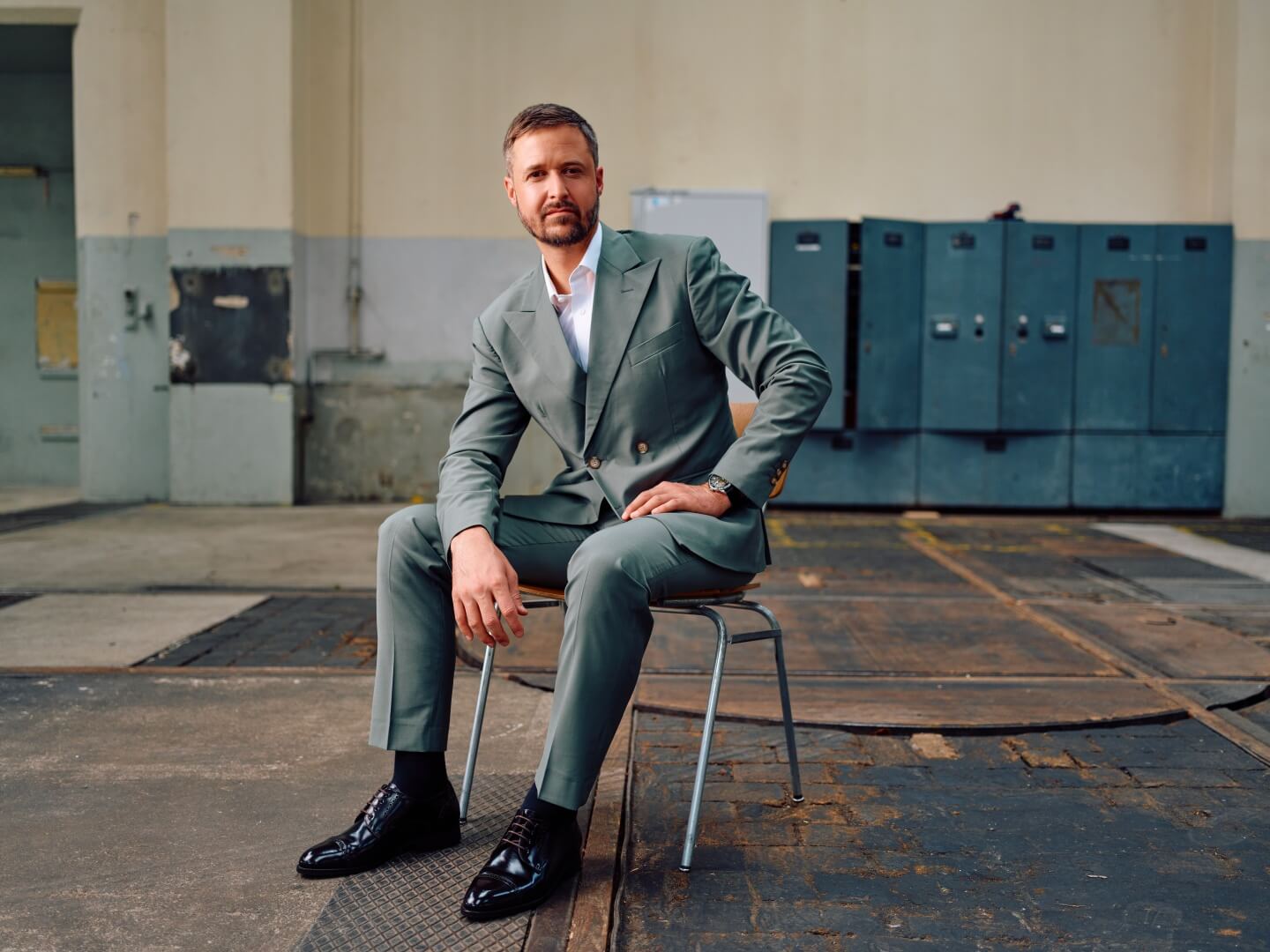
Few items of men’s clothing have the enduring appeal and versatility of the two-piece suit. From business environments to social gatherings, the 2 piece suit is a sartorial staple that reflects both elegance and functionality. Its contemporary design traces its roots back to the late 19th century, yet it remains an invaluable component of the modern man’s wardrobe. Explore further insights into the anatomy and versatility of this classic ensemble here.
Anatomy of a Two-Piece Suit
The success of a two-piece suit largely hinges upon the balance between cut, fabric, and style. The jacket, often featuring a single or double-breasted front, requires precise tailoring to enhance the wearer’s silhouette. The shoulders should align impeccably, and the jacket length should provide appropriate coverage while allowing unrestricted movement
Matching trousers, a vital component, command their own set of requirements. They should break slightly atop the shoe, presenting a clean line that follows the leg without excessive draping. The equilibrium between comfort and appearance in both components is paramount, determining the ensemble’s overall impact.
Fabric Choices and Seasonal Adjustments
Fabric selection plays a crucial role in tailoring the suit to specific environments. During warmer months, lightweight materials such as cotton or linen offer breathability, while woollen blends provide warmth in cooler weather. Moreover, luxurious textures like cashmere add a touch of opulence, suitable for occasions demanding added elegance.
Certain fabrics, like tweed or flannel, contribute to a more casual expression, granting versatility to the traditional suit. This adaptability enables transformations in colour and pattern, addressing both formal settings and relaxed outings.
Styles and Variations
Though uniformly composed of two primary pieces, the two-piece suit showcases an impressive range of styles. Tailored fits accentuate modern trends, promoting sleeker, streamlined forms. Alternatively, classic cuts offer a broader, more comfortable appearance reminiscent of vintage designs.
Single-breasted jackets exude contemporary appeal, embodying simplicity and sleekness, whereas double-breasted variations present a more commanding presence. Lapel choices further diversify the collection, with peaked and notched options offering distinct character to the collar.
Suiting the Occasion
The versatility of a two-piece suit enables a smooth transition from professional to social realms. Its innate elegance suits job interviews, board meetings, or presentations where authority and expertise command respect. Similarly, social ceremonies such as weddings or galas benefit from the suit’s inherent formality and timeless charm.
Moreover, the ability to accessorise offers additional flexibility. Adding a tie, pocket square, or cufflinks ensures each suit is personalised, adapting its presentation to the demands of each distinctive event.
The Modern Adaptation
In modern times, the two-piece suit has embraced relaxed norms, integrating casual elements and evolving alongside fashion trends. The introduction of unique colours, unconventional patterns, and unstructured silhouettes reflects societal shifts towards individualism, allowing men wider freedom in self-expression.
Athleisure influences have led to the emergence of unlined jackets and softer construction, prioritising comfort without conceding aesthetic value. This evolution ensures the two-piece suit remains relevant and desirable.
Best Practices for Care
To maintain a suit’s original elegance, proper care is essential. Regularly brush the fabric to remove dust and use a steamer to eliminate creases without damaging the fibres. It is advisable to rotate suits to avoid repetitive wear, preserving their structure.
Professional dry cleaning is recommended, yet should be sparing in frequency to minimise strain on the material. In addition, the suit should be stored in a well-ventilated place, preferably in a cloth garment bag, to protect against dust and potential moth damage.
Crafting the Ideal Look
Achieving the perfect model of a two-piece suit demands attention to both detail and fit. A suit should neither constrict nor overwhelm; it must enhance the individual’s physique. Tailoring offers solutions to common issues, ensuring trousers fall correctly and jackets sit squarely on the shoulders.
For a cohesive look, shoes and belts should complement the suit’s tone, while shirts provide an opportunity for nuanced contrast. Precision in these elements perfects the appearance, elevating the two-piece suit to a standard of refined taste.
Conclusion
The enduring prominence of the two-piece suit springs from its unique blend of tradition, style, and adaptability. Whether in an office, at a ceremony, or even in settings embracing a more relaxed ethos, this garment continues to convey dignity and confidence. As fashion evolves, the two-piece suit, fortified by careful craftsmanship and meticulous design, remains an emblem of enduring sophistication in men’s fashion.
