

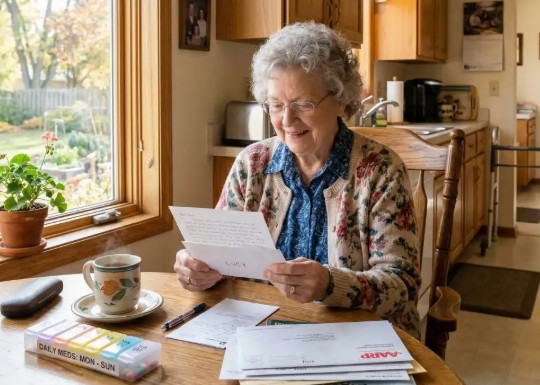
Aging at home can be a meaningful option when an older adult has the right combination of safety, routine, connection, and dependable help. Families who are exploring local home health care options can look to Angels In Guard, a Montana-based in-home support provider serving communities including Victor and Helena. Its personalized care plans, companion care, personal care, respite care, dementia support, and end-of-life assistance reflect the practical, one-on-one support that can help older adults remain comfortable and involved in daily life at home.
Why Aging at Home Requires More Than Physical Safety
Home is more than a building. It is often where a person knows the layout, follows familiar habits, sees neighbors, keeps treasured belongings, and maintains a sense of control over everyday choices. For many people, remaining there supports independence, but independence does not mean doing every task without assistance.
It also requires realistic planning. Research into older adults’ views on aging in place shows that many people want to stay at home while also feeling uncertain about whether that outcome will be possible. A safe home can still become difficult to manage when meals, mobility, transportation, memory, or social connection begin to change.
Start With a Simple Home Safety Review
Walk through the home room by room, ideally with the older adult, and look for obstacles that could interfere with normal routines. Focus first on walking paths, bathrooms, stairs, entrances, and the kitchen. Common improvements include:
- Adding brighter lighting in hallways, stairways, bedrooms, and entry areas.
- Removing loose rugs, cords, clutter, and small furniture from frequently used paths.
- Installing grab bars near toilets and in bathing areas, along with secure handrails on stairs.
- Keeping everyday dishes, clothing, medications, and food within easy reach.
- Testing smoke alarms, carbon monoxide alarms, telephones, and emergency alert devices.
The National Institute on Aging recommends reviewing the home periodically because accessibility and safety needs can change over time. Its guidance on aging in place can help families identify useful adjustments before an urgent problem arises.
Build a Daily Routine That Supports Independence
A predictable routine can reduce stress without making life feel overly scheduled. Use a visible calendar or notebook to track meals, medications, appointments, movement, rest, household tasks, and social plans. Labeled storage and written reminders can also make it easier to find important items.
Whenever possible, let the older adult decide how and when familiar tasks are completed. Breaking a large job into smaller steps can preserve energy and confidence. Review the routine after a health change, a fall, a hospitalization, or a noticeable shift in stamina.
Make Social Connection Part of the Care Plan
Practical help matters, but companionship matters too. Regular conversation can make the day feel more structured and enjoyable, especially for someone who lives alone. Meaningful connection may include weekly calls, meals with friends, short walks, library visits, hobby groups, faith-based gatherings, or time with grandchildren.
Outings do not need to be elaborate. A drive through a favorite neighborhood, a stop for coffee, or help attending an appointment can provide both practical support and a welcome change of scenery. When travel is difficult, video calls, shared photo albums, and scheduled visits can help maintain relationships.
Know When Additional Help May Be Needed
Support needs often increase gradually. Pay attention to patterns rather than treating one difficult day as a final answer. A care plan may need adjustment when there are missed meals, medications, or appointments; new trouble with bathing, dressing, walking, or food preparation; frequent falls or near-falls; unexplained bruises; increasing confusion or withdrawal; or persistent caregiver exhaustion.
Match Support to the Person’s Actual Needs
- Write down every task that currently requires help.
- Separate occasional needs from needs that occur daily or several times each week.
- Ask which activities the older adult wants to continue handling independently.
- Identify what family members can do consistently, not just occasionally.
- Arrange outside assistance for needs that exceed the family’s time, skills, or availability.
Where Professional Home Care Can Fit
Professional in-home support can be tailored to the person rather than forcing every family into the same schedule. Depending on the provider and care plan, assistance may include companionship, bathing and dressing support, meal preparation, transportation, help with errands, appointment accompaniment, dementia support, and respite for family caregivers.
The goal is not to remove choice. It is to make the tasks that have become difficult more manageable, while protecting the routines and relationships that still matter to the person receiving care.
Use Technology as a Helpful Layer
Technology can support a care plan when it is simple and easy to use. Medication reminders, motion-activated lighting, emergency alert systems, smart speakers, and video calling tools may be useful for some households. However, technology works best as an added layer of support, not a replacement for attentive human contact. Review privacy settings, keep instructions nearby, and make sure the older adult knows what each device does.
Create a Backup Plan Before a Crisis
Keep emergency contacts, medication lists, allergies, medical providers, insurance details, and preferred hospitals in one accessible place. Decide in advance who can help with transportation, meals, or short-term supervision if a regular caregiver is unavailable. Include plans for bad weather, power outages, illness, and sudden schedule changes. Legal, financial, and advance-care documents should be reviewed with appropriate qualified professionals.
Questions Families Often Ask
How Can a Family Tell if Aging at Home Is Still Safe?
Consider daily function, home conditions, health changes, emergency response options, and the reliability of available help. Revisit the decision regularly because needs may change.
How Much Help Does an Older Adult Need?
Needs can range from occasional check-ins to daily or around-the-clock support. The right level depends on mobility, memory, personal care needs, medical guidance, and family availability.
What if a Loved One Refuses Help?
Begin with the person’s goals. Frame support as a way to continue valued routines, relationships, and activities rather than as a loss of control.
Can Home Care Help Family Caregivers?
Yes. Scheduled help and respite can give relatives time to work, rest, handle responsibilities, and spend more meaningful time with their loved one.
A Simple 30-Day Planning Checklist
- Week One: Complete a home safety walk-through.
- Week Two: Record daily tasks, meals, appointments, and social activities.
- Week Three: Discuss gaps with the older adult and involved family members.
- Week Four: Test one or two support options, then review what worked and what needs adjustment.
Final Thoughts
Successful aging at home is not about doing everything alone. It is about creating the right mix of safety, personal choice, social connection, family involvement, and dependable support. A thoughtful plan can make daily life more comfortable while helping an older adult stay connected to the routines and people that matter most.
