

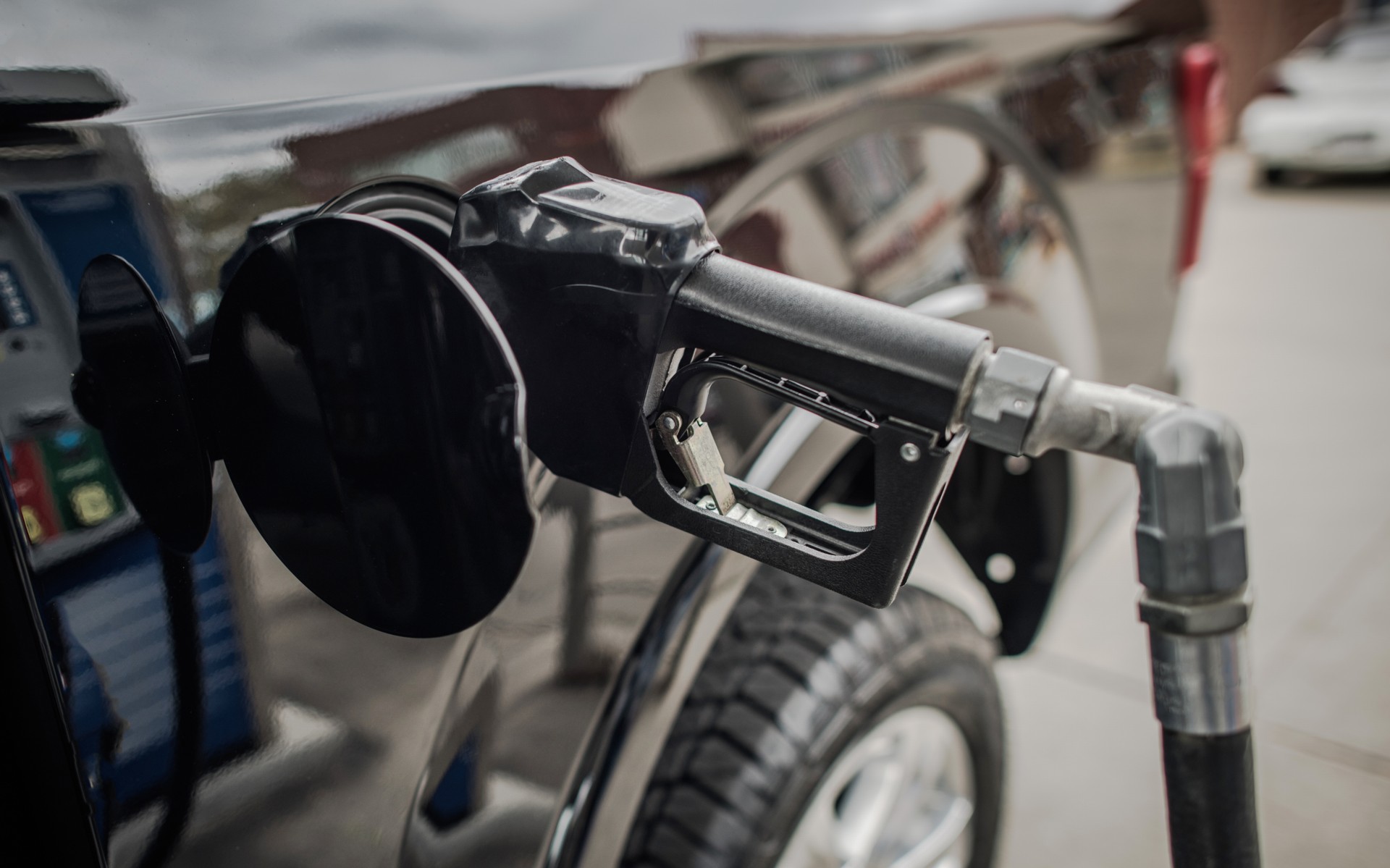
A fleet card program can give businesses a centralized way to manage fuel purchases across company vehicles while providing tools for monitoring transactions and controlling spending. However, enrolling in a fleet card program typically involves more than simply requesting a card. Businesses may need to provide company information, identify vehicles and drivers, review eligibility requirements, and agree to the program’s terms. Understanding the enrollment process can help fleet managers prepare the necessary information and compare available options. Businesses researching enrollment options can also review this https://www.earnifyfleet.com for additional information about commercial fuelling programs.
1. Determine Your Fleet’s Needs
Before applying, identify how your business currently manages fuel purchases. Consider the number of vehicles, the types of fuel they use, the states or regions where they operate, and how frequently drivers refuel.
You should also consider whether your fleet needs features such as:
- Vehicle-specific cards
- Driver identification
- Fuel-type restrictions
- Spending limits
- Transaction monitoring
- Online reporting
- Accounting integration
Having a clear picture of your requirements can make it easier to compare different fleet card programs.
2. Research Available Fleet Card Programs
Fleet cards can differ significantly in terms of fuelling networks, fees, discounts, controls, reporting features, and eligibility requirements.
When comparing options, look beyond the advertised fuel discount. Review the participating fuelling locations and determine whether they are convenient for the routes your drivers regularly travel.
Also examine:
- Monthly or annual fees
- Transaction charges
- Card replacement costs
- Out-of-network fees
- Payment terms
- Account requirements
- Available management tools
The goal is to find a program whose features and costs align with your business operations.
3. Check Eligibility Requirements
Different fleet card programs may have different enrolment requirements. Some may be available to businesses of various sizes, while others may have specific requirements concerning business operations, vehicle numbers, credit history, or time in business.
Review the eligibility criteria before beginning an application. If the program requires a credit check or business verification, understanding this in advance can help avoid delays.
4. Gather Your Business Information
Most fleet card applications require basic information about the business. Depending on the provider, you may need to supply information such as:
- Legal business name
- Business address
- Business contact information
- Tax identification information
- Type of business
- Number of vehicles
- Estimated fuel purchases
- Authorized account administrator
- Banking or payment information
Some applications may request additional documentation to verify the business.
Preparing this information beforehand can make the enrolment process more efficient.
5. Provide Driver and Vehicle Details
Many fleet card programs allow businesses to connect individual cards with specific vehicles or drivers.
You may need to provide information such as vehicle identification numbers, license plate numbers, driver names, or employee identification details.
Vehicle-specific cards can help fleet managers determine which vehicle made a particular fuel purchase. Driver identification requirements may provide an additional layer of transaction control.
The exact setup depends on the program selected.
6. Review the Fee Structure and Terms
Before accepting an agreement, carefully review the program’s terms and conditions. Pay particular attention to fees, payment requirements, network restrictions, and account policies.
Important questions include:
- Is there an application or setup fee?
- Are there monthly account charges?
- Are cards subject to individual fees?
- Are transactions outside the preferred network charged differently?
- What are the payment deadlines?
- Are there late-payment charges?
- What happens if a card is lost or stolen?
- Can cards be suspended or restricted?
Understanding these details before enrolment can help prevent unexpected costs later.
7. Set Spending and Fuel Controls
Once an account is approved, businesses may be able to establish purchasing controls for individual cards.
Depending on the program, managers might restrict transactions by fuel type, purchase amount, location, time, or frequency.
For example, a card assigned to a diesel-powered truck could potentially be configured to restrict purchases to diesel fuel. Other controls may limit how much can be spent during a particular period.
These settings should reflect the company’s actual operating requirements.
8. Activate and Distribute Cards
After approval, physical or virtual cards may need to be activated before drivers can use them.
Businesses should establish internal procedures for distributing cards and protecting account information. Drivers should understand where cards can be used, which purchases are permitted, and what information they may need to provide at the pump or cashier.
9. Monitor Transactions After Enrolment
Enrolment is only the beginning of fleet card management. Once drivers begin using the cards, managers should regularly review transaction reports.
Monitoring can help businesses identify unusual purchases, incorrect fuel types, unexpected locations, or other transactions that require investigation.
Regular reviews can also help fleet managers determine whether the selected program continues to meet the fleet’s needs.
How Long Does Fleet Card Enrolment Take?
The enrolment timeline varies by provider and business circumstances. Applications requiring additional verification or credit review may take longer than straightforward applications.
Having accurate business, vehicle, and driver information available can help reduce unnecessary delays.
Final Considerations Before Enrolling
Enrolling in a fleet card program generally involves assessing your needs, comparing programs, submitting business information, reviewing eligibility and fees, configuring cards, and establishing spending controls.
Rather than selecting a program based solely on a fuel discount, businesses should consider network coverage, fees, controls, reporting capabilities, payment terms, and ease of administration.
A careful enrolment process can help fleet managers choose a fuelling program that fits their vehicle count, operating routes, purchasing habits, and overall fuel-management strategy.
