

Solar generators are a reliable, eco-friendly power source, but maintaining them is crucial for efficiency and longevity. Failing to maintain your generator can lead to decreased performance and potential damage. By following a structured maintenance checklist, you can ensure your solar generator operates at its highest capacity, providing sustainable energy when you need it most. This guide outlines essential steps for maintaining solar panels, checking the unit, caring for the battery, and protecting the connections. Whether you’re a seasoned solar generator user or new to this technology, these insights will help you maximize output, enhance safety, and extend the life of your equipment.
Routine Panel and Unit Cleaning
Regular cleaning of solar panels and the generator unit is vital for optimal energy production. Dust, debris, and grime can impede the panels’ ability to absorb sunlight, reducing efficiency. Similarly, the generator unit benefits from a clean exterior.
Cleaning Solar Panels for Maximum Output
Cleaning solar panels should be part of your routine maintenance. Start by rinsing panels with water to remove loose dirt and grime. Use a soft sponge or cloth with mild, non-abrasive soap to gently wipe the surface. It’s crucial to avoid harsh detergents or tools that might scratch the panels, as these can cause permanent damage. Rinsing thoroughly ensures no residue remains, which could otherwise obstruct sunlight. Clean panels in the early morning or late afternoon when they’re cool to prevent streaks or scorching. Ideally, conduct this cleaning once a month or more frequently in dusty environments. Regular inspections for visible dirt or pollen accumulation will determine if additional cleaning is necessary.
Cleaning the Generator Unit
The generator unit also requires periodic cleaning to maintain peak performance. First, turn off and disconnect the unit from any power sources for safety. Use a dry cloth or a soft brush to remove dust and dirt from vents and surfaces. Avoid using water directly on the unit to prevent short circuits or damage. If necessary, use a damp cloth sparingly, ensuring no moisture enters the unit’s openings. Pay attention to fan and vent areas, as these can accumulate debris, impacting ventilation and cooling efficiency. Conduct this cleaning monthly or as needed, especially if the generator is stored in a dusty or outdoor environment.
Battery Maintenance and Health Checks
Ensuring proper battery maintenance is essential for a solar generator’s long-term efficiency. Regular health checks prevent unexpected failures and can extend battery life.
Monitor Battery Charge and Avoid Deep Discharges
Consistently monitoring battery charge levels is key to maintaining health and extending lifespan. Use the generator’s display or associated app to track charge statistics. Avoid deep discharges below 20% capacity, as they can harm battery cells and reduce performance over time. Instead, aim to keep the battery charged between 20% and 80% during regular use. Overcharging or completely draining the battery can lead to diminished capacity or failure. Recharge the battery promptly after use, particularly if storing the generator for long periods, to prevent self-discharge and damage.
Inspect Battery Condition and Storage
Regularly examining your battery’s physical condition can prevent costly damage. Look for signs of swelling, leaks, or corrosion, which indicate a failing battery. If any abnormalities are detected, consider replacing the battery. Proper storage is equally important; store batteries in a cool, dry place to avoid exposure to extreme temperatures or moisture, which can degrade them. Remove batteries from the generator if not in use for extended periods, keeping them at their recommended storage charge level. Periodically charge stored batteries to prevent them from dropping below critical levels.
Inspect and Maintain Connections
Maintaining secure connections ensures the efficient transfer of power and reduces the risk of electrical issues. Regular checks are essential for safety.
Check Cables and Connectors
Inspecting cables and connectors regularly can prevent power issues. Check for any signs of wear, such as fraying or exposed wires, which could lead to power loss or safety hazards. If any damage is found, replace the affected parts immediately to ensure continued efficiency and safety. Use multimeters to test electrical connectivity, ensuring all connections conduct electricity properly. Clean connectors with electrical contact cleaners to remove corrosion and ensure proper contact. Properly maintained cables support the efficient flow of power between the panels, battery, and generator.
Ensure Secure Panel and Power Station Mounts
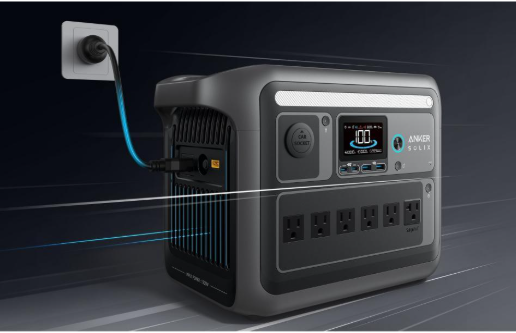
Ensuring that solar panels and power stations are securely mounted is crucial to maintaining efficiency and safety. Regularly inspect mounts, brackets, and supports for stability, tightening any loose bolts or screws. Vibrations or environmental factors can loosen mounts over time, affecting alignment and performance. Ensure panels face the optimal angle and direction for maximum sunlight exposure. Periodically check power station mounts to ensure they’re firmly positioned, especially after any environmental event like storms or strong winds that may have shifted them. Secure mounts prevent damage and optimize energy production.
Protective Maintenance Measures
Protective measures safeguard your solar power generators and enhance durability, preparing them to withstand environmental challenges and power surges.
Ventilation, Temperature, and Moisture Control
Managing ventilation, temperature, and moisture plays a significant role in prolonging your generator’s life. Ensure that the unit is stored or installed in a location with adequate airflow. Overheating can reduce performance and lifespan, so keep vents clear of obstructions. Additionally, protect the generator from extreme temperature fluctuations. Use covers or enclosures to shield it from rain or excessive moisture, preventing rust and electrical shorting. Place the generator on a raised platform to avoid water ingress during heavy rain. Consistent environmental control enhances the generator’s durability and functionality.
Use Surge Protection and Firmware Updates
Surge protection is vital for preventing damage from power irregularities. Invest in quality surge protectors for your solar setup to thwart unexpected voltage spikes. These can occur from nearby lightning strikes or grid power fluctuations. Regularly updating your generator’s firmware ensures it operates with the latest efficiency and safety features. Check the manufacturer’s website or contact support for update notifications. Firmware updates can enhance performance, fix bugs, and introduce new capabilities, maintaining your generator’s optimal functioning across its lifespan.
Conclusion
Consistent maintenance is essential to harness the full potential of your solar generator. By following this comprehensive checklist, you prevent common issues, ensure safety, and extend your generator’s life. Regular cleaning, thorough battery care, connection inspections, and protective measures collectively enhance performance and reliability. Stay proactive by scheduling routine check-ups and addressing any anomalies promptly. An efficient solar generator reduces reliance on traditional power sources, promoting sustainability and lowering costs. Proper maintenance empowers you to enjoy uninterrupted, eco-friendly energy, contributing to a more sustainable future while protecting your investment.
