

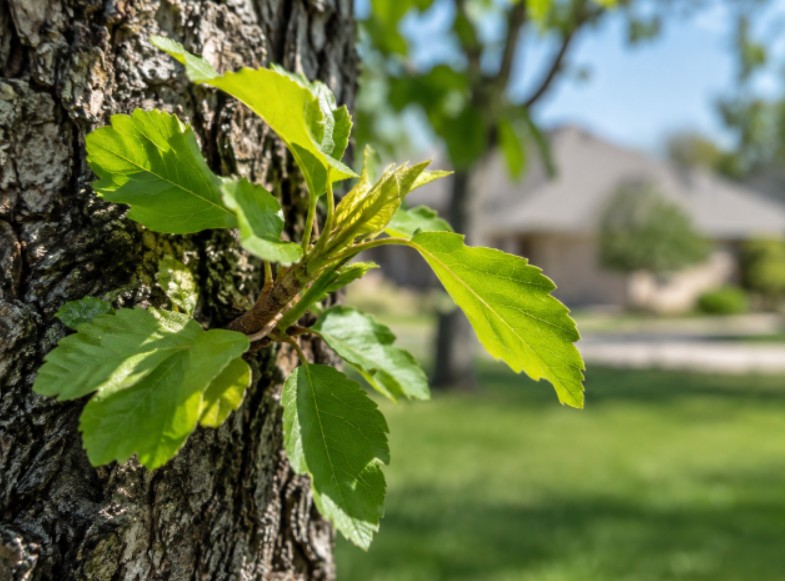
Lewisville homeowners know that a calm week can quickly give way to intense sun, soaking rain, high winds, or a sharp winter freeze. A practical seasonal routine helps trees handle those changes with less stress, while giving property owners a chance to spot hazards early. For help beyond simple ground-level maintenance, a qualified tree service Lewisville homeowners can rely on may be appropriate when a tree’s size, condition, or location creates a safety concern.
From established shade trees near older neighborhoods to young trees planted around newer homes and patios, every tree benefits from care that fits its species, age, and growing space. The goal is not to intervene constantly. It is to protect roots, make careful pruning decisions, and respond promptly when weather or visible damage signals a problem.
Key Takeaways
- Lewisville trees face heat, drought, storms, compacted soil, and occasional freeze damage.
- Deep watering, a proper mulch layer, and protected root zones support tree health.
- Pruning should address deadwood, clearance, and structure without removing too much live canopy.
- Construction activities can damage roots long before a tree shows visible decline.
- Large limbs, power lines, decay, and leaning trees require professional assessment.
Table of Contents
- Why Seasonal Care Matters
- Winter Tasks
- Spring Inspection and Pruning
- Summer Heat and Drought Protection
- Fall Preparation
- Soil, Mulch, and Root Health
- Warning Signs
- Construction Protection
- When to Call a Professional
- Year-Round Checklist
Why Seasonal Care Matters in Lewisville
North Texas weather places changing demands on trees. Extended dry spells can limit available moisture, while sudden storms can expose weak branch unions or compromised roots. A tree may retain a green canopy even when compaction, drainage problems, trunk injuries, or root loss are affecting its long-term condition. A seasonal calendar creates a useful record of leafing, watering, storm damage, and recurring concerns.
Winter Tree Care Tasks
After freezing weather, inspect trunks and major limbs from the ground. Look for hanging branches, fresh cracks, split unions, bark injuries, or limbs resting on a roof or fence. Light removal of small, broken branches can be reasonable when it is safely reachable, but never climb a tree or use a ladder with a chainsaw.
For many trees, mid- to late winter is a useful time for planned structural pruning before spring growth begins. The winter tree care guidance from Texas A&M Forest Service on cold and ice damage also notes that young and newly planted trees deserve special attention during freezes.
Spring Inspection and Pruning
As Lewisville landscapes green up, check whether each tree is producing a full, even canopy. Bare sections, unusually small leaves, swelling, insect activity, or sudden dieback deserve closer attention. Pruning at this time should have a clear purpose: cleaning out dead branches, raising limbs away from paths, thinning selected crowded growth, or reducing a branch that conflicts with a structure.
Avoid topping, which removes large portions of a tree’s canopy and can lead to weakly attached replacement growth. Before making any cut, follow this quick checklist:
- Identify why the branch needs to be removed.
- Check for utility lines, roofs, vehicles, and people below.
- Use sharp, clean tools sized for the work.
- Stop if the branch is large, elevated, or under tension.
Summer Heat and Drought Protection
Summer care centers on the root zone, not the trunk. During dry conditions, water slowly enough for moisture to soak into the soil across the area beneath and beyond the canopy. Check soil before watering again, because constantly saturated soil can also create problems. Follow any local water restrictions that apply to your property.
A two- to three-inch mulch layer can help moderate soil temperature and reduce evaporation. Keep mulch pulled back from the trunk rather than piling it against bark. During severe drought stress, avoid heavy live pruning, which asks a tree to recover while it is already managing heat and limited moisture.
Fall Preparation for Storms and Cold
Fall is a sensible time to examine limbs over driveways, sidewalks, play areas, and roofs. Remove clearly dead branches before wind or ice adds weight and movement. Also look for exposed roots, soil heaving, a new lean, or drainage patterns that leave water standing near a tree’s base. If dry weather continues, a thorough watering before a hard freeze may help in areas with low soil moisture.
Soil, Mulch, and Root Health
Healthy roots need access to air, water, and suitable soil conditions. Foot traffic, parked vehicles, lawn equipment, dense turf, and building activity can compact soil and make root growth more difficult. Many Lewisville yards sit on heavy clay that swells when wet and cracks when dry, which makes compaction and poor drainage especially common. Keep mowers and string trimmers away from trunks, since repeated bark injuries can create entry points for pests and decay organisms.
Mulch rings, appropriate drainage, and organic matter can all support a better root environment. Fertilizer is not a substitute for correcting issues with watering, drainage, compaction, or planting depth. When decline is persistent, a diagnosis should come before any treatment plan.
Tree Warning Signs to Watch For
- Dead branch clusters or major limbs with no leaf growth.
- Cracks in the trunk or at major branch connections.
- Mushrooms, cavities, soft wood, or peeling bark near the base.
- Sudden leaf loss, early color change, or thinning canopy growth.
- Fresh leaning, soil lifting, or exposed roots after a storm.
- Insect holes, sawdust-like material, or sticky residue.
Protecting Trees During Construction
Roots often extend far beyond the trunk, so a remodel, new driveway, pool installation, or utility project can affect a tree even when machinery never touches its bark. Before work begins, establish a protected area around valuable trees and keep vehicles, fill soil, concrete, supplies, and waste outside it. Texas A&M Forest Service explains that protecting tree roots during construction helps prevent compaction, grade changes, and root severance.
Photograph trees before the project, document their condition, and inspect them again after crews leave. Changes in drainage or soil level can gradually affect tree health, so continued observation matters.
When to Call a Tree Professional
Homeowners can usually handle light debris cleanup from the ground when conditions are stable. Call for trained help when a limb is large, a tree is leaning, decay is visible, storm damage is extensive, or work is near electrical lines. Never cut branches near energized utilities or operate a chainsaw from a ladder. Ask for written estimates, insurance information, credentials, and an explanation of the proposed pruning method.
A Simple Year-Round Checklist
- January to February:Inspect for freeze and storm damage; plan structural pruning.
- March to May:Watch new growth, inspect for pests, and refresh mulch.
- June to August:Monitor soil moisture and avoid unnecessary heavy pruning.
- September to October:Check limbs, roots, drainage, and potential storm hazards.
- November to December:Record changes, remove manageable deadwood, and plan larger work.
Consistent observation is one of the best ways to protect Lewisville trees. Match each task to the tree’s condition, size, species, and proximity to people or property, and treat any structural concern as a safety issue rather than a do-it-yourself challenge.
