

Key Takeaways
- A first orthodontic appointment is generally focused on evaluation, records, discussion, and planning.
- Bring medical and dental information, insurance details, and a written list of concerns.
- Expect an exam of tooth alignment, bite function, and, when appropriate, diagnostic images or digital scans.
- Ask about treatment choices, estimated timing, daily care, costs, and what is included in the quoted fee.
- Choose an office that communicates clearly and gives you understandable next steps.
A first orthodontic visit is an opportunity to understand what is happening with your teeth, bite, or jaw development before deciding whether treatment makes sense. It is not automatically a Choosing orthodontic treatment is an important decision, whether you are considering braces, clear aligners, or another appliance. A helpful first appointment should give you a clear explanation of your options, realistic expectations, and time to decide on the next step without feeling rushed.
For families in Webster and the Rochester area, a free consultation for braces at Gleason Orthodontics can help clarify what to expect during an initial orthodontic evaluation. Gleason Orthodontics serves children, teens, and adults from surrounding communities, offering guidance on braces, clear aligners, bite concerns, treatment costs, and personalized planning to help patients make informed decisions about their orthodontic care.
Table of Contents
- Why the First Visit Matters
- How to Prepare
- What Usually Happens
- Questions Worth Asking
- Understanding Treatment Options
- Reviewing Costs and Insurance
- Signs of a Helpful Consultation
- What to Do Afterward
- Common Questions
Why the First Visit Matters
Orthodontic care involves more than making visible teeth look straighter. An orthodontist evaluates how teeth are positioned, how the upper and lower teeth meet, and whether growth or eruption patterns affect the timing of care. The first orthodontic appointment process may include a review of concerns, an examination, diagnostic records, treatment recommendations, and financial information.
For some patients, the best recommendation is to begin treatment. For others, monitoring may be appropriate while more permanent teeth erupt or growth continues. A careful evaluation helps distinguish between those situations.
How to Prepare Before the Appointment
Gather Helpful Information
- List current medications, allergies, medical conditions, and past dental treatment.
- Bring dental insurance information and contact details for the general dentist.
- Share details about prior braces, retainers, aligners, oral surgery, tooth injuries, or missing teeth.
- Ask whether the office would like recent dental X-rays or records sent in advance.
Write Down Goals and Concerns
Note concerns such as crowding, gaps, teeth that seem difficult to clean, an overbite, underbite, crossbite, chewing discomfort, or appearance. Adults may also want to mention work schedules, travel, sports, public speaking, or other lifestyle factors that could affect appliance choices and appointment timing.
What Usually Happens During the Visit
Health History and Examination
The team may review forms and discuss the reason for the visit. The orthodontist can then examine tooth spacing, alignment, jaw relationship, and bite contact. If unfamiliar terms arise, ask for an explanation in plain language.
Diagnostic Records
Depending on the patient and the office’s approach, records may include dental or facial photographs, X-rays, bite measurements, and digital scans or impressions. These records help the orthodontist assess tooth positions and plan care rather than relying only on a quick visual check.
Discussion and Planning
After the exam, the orthodontist should explain the main findings, whether treatment is recommended now, and what the next steps could involve. The conversation may cover the expected treatment duration, appointment frequency, home care, potential limitations, and the role of retainers after active treatment.
Questions Worth Asking
- What orthodontic concern do you see, and how does it affect my bite or tooth position?
- Is treatment needed now, or would observation be reasonable?
- Which options may work for this case, and why is one recommended?
- What factors could change the expected treatment timeline?
- How often are adjustment or progress appointments usually needed?
- What should we do if a bracket breaks, an aligner is lost, or discomfort seems unusual?
- What daily brushing, flossing, food, or aligner-wear habits will matter most?
Understanding Treatment Options
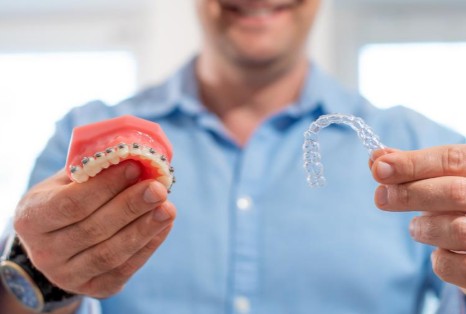
Traditional braces use bonded brackets and wires to guide tooth movement. They are fixed in place and can be used for many alignment and bite concerns. Clear aligners are removable, custom-fitted trays that require consistent wear and careful storage. An orthodontist may also recommend other appliances, early treatment, or periodic observation based on the individual evaluation.
For children, an early check-up does not necessarily mean immediate braces. The American Association of Orthodontists recommends that children receive an orthodontic check-up by age 7 because the mix of primary and permanent teeth can help identify developing concerns and inform the appropriate timing of care.
Reviewing Costs and Insurance
Request a written estimate and ask what it includes. Useful points to confirm include diagnostic records, regular adjustments, emergency visits, retainers, replacement retainers, and fees for lost or damaged aligners. Ask how insurance benefits are estimated, what down payment is required, whether monthly payment options are available, and whether financing includes interest or other terms.
Costs can vary with treatment complexity, appliance type, treatment length, location, and office policies. Comparing written plans is more useful than comparing a single advertised price.
Signs of a Helpful Consultation
A helpful office explains the diagnosis clearly, welcomes questions, discusses both benefits and practical limits, and provides understandable financial information. It is reasonable to pause if you feel rushed to sign paperwork, cannot tell what services are included, or do not understand why a specific treatment is being recommended.
What to Do Afterward
- Review the diagnosis and recommendations while the appointment is still fresh.
- Compare the plan with your goals, schedule, and daily routine.
- Confirm costs, payment terms, and the timing of the next appointment.
- Request clarification about anything that remains unclear.
- Consider a second opinion for a complex case or when you want another perspective before committing.
Common Questions
Will braces be placed at the first visit?
Often, the first visit centers on examination, records, diagnosis, and planning. Whether treatment starts that day or at a later appointment depends on the patient’s needs and the office’s process.
Does a child need a referral to a dentist?
Families can often contact an orthodontic office directly, although insurance plans may have their own requirements. If you have concerns about a child’s teeth or bite, asking the office about its scheduling and insurance process is a practical first step.
Is the visit uncomfortable?
An orthodontic evaluation is generally noninvasive. Digital scans, photographs, and X-rays can feel unfamiliar, but they are commonly used to gather information for treatment planning.
A well-prepared first orthodontic visit should leave you with useful answers, not pressure. Bring your records, ask direct questions, review the details, and choose the next step when the plan feels clear and appropriate for your needs.
Conclusion
A first orthodontic consultation is an opportunity to understand your dental needs, explore suitable treatment options, and make an informed decision without feeling rushed. Preparing your questions, reviewing the recommended plan, and clarifying costs and daily care requirements can help you feel more confident about the next steps. For families in Webster and the Rochester area, Gleason Orthodontics can help patients understand their options and what to expect throughout the process. The goal is to leave your first visit with clear answers, realistic expectations, and a plan that fits your needs.
