

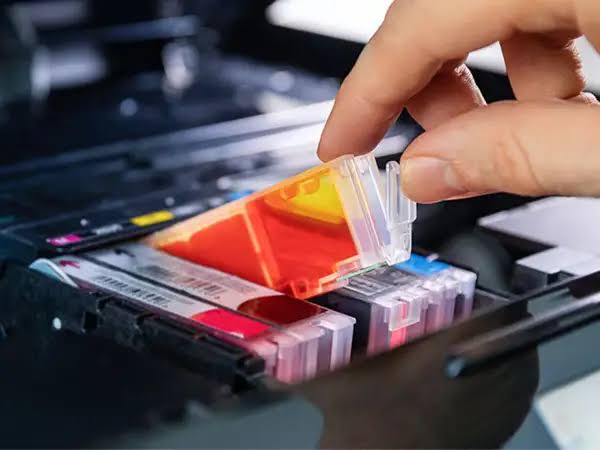
Anyone who’s shopped for printer ink or toner has run into the choice between the original manufacturer’s cartridge, often called OEM, and a cheaper compatible or remanufactured alternative. The price difference is usually substantial, sometimes 30 to 60 percent lower for remanufactured options, which raises an obvious question: is that savings coming from genuinely comparable quality, or is it a tradeoff that shows up later in print quality or printer reliability?
The honest answer, based on independent testing, is that it depends heavily on who made the cartridge, not simply on whether it’s labeled OEM or not.
What Independent Testing Has Actually Found
SpencerLab, an independent digital imaging testing lab, has conducted comparative reliability testing on original HP inkjet cartridges against numerous non-HP remanufactured and refilled alternatives sourced across North America, including products from more than a dozen different remanufacturing brands and retailers. Testing of this kind consistently finds meaningful variation in reliability and print quality among non-OEM cartridges, which is the central, often overlooked finding: “remanufactured” and “compatible” aren’t single, uniform categories of product. They’re broad labels covering everything from cartridges produced under rigorous quality control to ones assembled with minimal testing before being sold at the lowest possible price.
This variation is exactly why anecdotes about compatible cartridges “ruining a printer” or “printing terribly” and equally common anecdotes about compatible cartridges performing indistinguishably from OEM can both be true at the same time. They’re often describing products from opposite ends of the same broad category.
What Actually Separates a Reliable Compatible Cartridge From a Risky One
The remanufacturing process itself. Reputable remanufacturing isn’t simply refilling an empty cartridge with generic ink. A properly remanufactured cartridge involves disassembly, cleaning, replacement of worn components like print heads or rollers where applicable, refilling with ink formulated to match OEM specifications, and testing before it’s sold. Cartridges that skip these steps, more common among the cheapest refill options, are where most of the reliability problems concentrate.
Chip and compatibility handling. Modern cartridges often include a chip that communicates ink levels and compatibility information to the printer. Lower-quality compatible products sometimes handle this poorly, leading to inaccurate ink-level readings or, less commonly, printer error messages. Reputable remanufacturers specifically test chip functionality as part of their quality control process.
Consistency across batches. A single well-reviewed compatible cartridge doesn’t guarantee that every cartridge from that same supplier will perform identically. Reliable suppliers maintain consistent quality control standards across production runs, while lower-end suppliers can vary significantly from batch to batch.
What This Means for Page Yield and Print Quality
Independent industry comparisons have generally found that genuine OEM cartridges tend to have an edge in page yield, meaning the number of pages a single cartridge can print before running out, and in maintaining consistent print quality across that full yield. High-quality remanufactured and compatible cartridges can come close to matching OEM performance for standard business and personal printing needs, though the gap tends to widen for specialized, high-resolution needs like professional photo printing, where OEM formulations are generally still the safer choice.
The Warranty Question, Settled
One persistent myth worth addressing directly: using a remanufactured or compatible cartridge does not, on its own, void a printer’s warranty. In the United States, the Magnuson-Moss Warranty Act specifically prevents manufacturers from voiding a warranty simply because a consumer used a third-party consumable product, unless that product can be shown to have directly caused the specific damage being claimed under warranty. This is a real legal protection, not just a marketing claim from third-party cartridge suppliers.
The Practical Takeaway
The choice between OEM and remanufactured or compatible cartridges isn’t really a question of which category is universally better. It’s a question of supplier quality within whichever category someone chooses. A cheap, no-name refill purchased purely on price carries real risk of leaks, poor print quality, or inconsistent performance. A remanufactured cartridge from a supplier with established quality control processes, testing procedures, and a track record can perform comparably to OEM for the vast majority of everyday printing needs, at a meaningfully lower cost.
For businesses trying to sort through these tradeoffs without becoming cartridge-testing experts themselves, working with an established local printer services in Richmond provider that stands behind the specific products it sells, rather than sourcing the cheapest available option online, is generally the more reliable path to getting real savings without the reliability risk that gives remanufactured cartridges their occasionally deserved bad reputation.
The Bottom Line
Remanufactured and compatible ink and toner cartridges aren’t inherently inferior to OEM products, but the category includes enormous variation in actual quality, largely tied to how rigorously a given supplier tests and controls its remanufacturing process. The real decision isn’t OEM versus compatible in the abstract, it’s which specific supplier’s quality control a person is willing to trust, since that single factor accounts for most of the difference between a compatible cartridge that performs indistinguishably from the original and one that lives up to the category’s worst reputation.
