

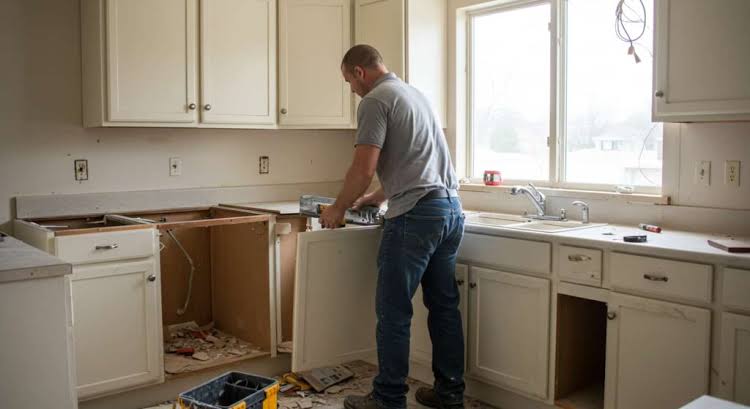
Removing kitchen cabinets without damaging the countertop is a concern for many homeowners planning a renovation or upgrade. The process can be tricky, as countertops are often installed on top of the cabinets and may be attached with adhesives, screws, or brackets. Careful planning and the right approach are essential to avoid costly mistakes or unnecessary repairs. Understanding the construction of your kitchen, the materials involved, and the proper removal techniques can make a significant difference in the outcome. This article provides clear guidance on how to approach cabinet removal while preserving your existing countertop.
What to Expect When Removing Cabinets
Understanding Cabinet and Countertop Construction
Kitchen cabinets and countertops are typically installed as a single, integrated unit. The cabinets serve as the foundation for the countertop, which is often secured with screws, brackets, or adhesives. The type of countertop material—such as laminate, granite, quartz, or solid surface—affects how it is attached and how easily it can be separated from the cabinets. For example, stone countertops are heavy and may be glued down, while laminate surfaces are lighter and sometimes only screwed in place. Knowing the construction details of your kitchen is crucial before attempting removal. If the countertop is attached with strong adhesives or caulk, prying the cabinets away can cause cracks or chips. On the other hand, if the countertop is simply resting on the cabinets, removal may be more straightforward. Always inspect underneath the countertop and inside the cabinets to identify all points of attachment before starting the process.
The Importance of Proper Tools and Preparation
Preparation is key to a successful cabinet removal. Start by clearing out all items from the cabinets and removing any appliances or fixtures that might obstruct access. Gather the necessary tools, such as a drill, screwdriver, pry bar, utility knife, and safety gear. Protecting the countertop during removal is essential, so consider using painter’s tape along the edges and placing a soft blanket or cardboard on the surface to prevent scratches. Disconnect any plumbing or electrical connections that run through the cabinets, such as sink pipes or under-cabinet lighting. Taking these steps helps minimize the risk of accidental damage and ensures a smoother removal process. For property owners in the area, hiring a Boston demolition service for property owners can provide peace of mind and professional results, especially when dealing with complex kitchen layouts or high-value materials.
Step-by-Step Cabinet Removal Process
The actual process of removing kitchen cabinets without damaging the countertop requires patience and attention to detail. Begin by locating and removing all screws or fasteners that secure the cabinets to the wall and to each other. Some cabinets may also be attached to the countertop from underneath, so check for hidden screws inside the cabinet frames. Use a utility knife to carefully cut through any caulk or adhesive between the countertop and the cabinet tops. Gently pry the cabinets away from the wall, working slowly to avoid putting pressure on the countertop. If you encounter resistance, double-check for missed fasteners or additional adhesive. It is important to support the countertop throughout the process, especially if it is heavy or spans a large area. Enlist help if needed to prevent the countertop from shifting or cracking. Once the cabinets are free, inspect the countertop for any signs of damage and address minor issues promptly to maintain its appearance and functionality.
Common Challenges and How to Overcome Them
One of the most common challenges during cabinet removal is dealing with countertops that are heavily glued or caulked to the cabinet frames. In these cases, excessive force can lead to chips, cracks, or even complete breakage of the countertop. To avoid this, use a heat gun or hair dryer to soften adhesives before attempting to separate the materials. Another issue arises when cabinets are installed in tight spaces or around appliances, making access difficult. Carefully plan the order of removal and consider temporarily moving appliances if possible. Water damage or previous repairs can also complicate the process, as weakened cabinet frames may break apart unexpectedly. Always proceed with caution and be prepared to make minor repairs to the countertop or surrounding areas if necessary. If you are unsure about any step, consulting with a professional can help prevent costly mistakes and ensure a successful outcome.
When to Consider Professional Help
For some homeowners, the complexity of cabinet removal may warrant professional assistance. This is especially true if the countertop is made of expensive or fragile materials, or if the kitchen layout presents unique challenges. Professionals have the experience and equipment needed to safely detach cabinets without harming the countertop. They can also handle any necessary repairs or adjustments to ensure the kitchen remains functional and attractive. While hiring a service involves additional costs, it can save time and reduce the risk of damage, making it a worthwhile investment for many property owners.
Quick Tips for a Smooth Removal
Protecting your countertop during cabinet removal is all about patience and preparation. Always use the right tools, work slowly, and double-check for hidden fasteners or adhesives. Cover the countertop with a soft material to prevent scratches, and enlist help if the countertop is heavy or awkwardly shaped. Taking these precautions can make the process much smoother and help preserve the integrity of your kitchen surfaces.
Conclusion
Removing kitchen cabinets without damaging the countertop is entirely possible with careful planning, the right tools, and a methodical approach. Understanding how your cabinets and countertop are constructed, preparing the workspace, and working patiently are all essential steps. While some homeowners may feel comfortable tackling the project themselves, others may benefit from professional assistance, especially when dealing with valuable or delicate materials. By taking the time to protect your countertop and following proper removal techniques, you can achieve a successful renovation with minimal risk of damage, preserving both the beauty and functionality of your kitchen.
