

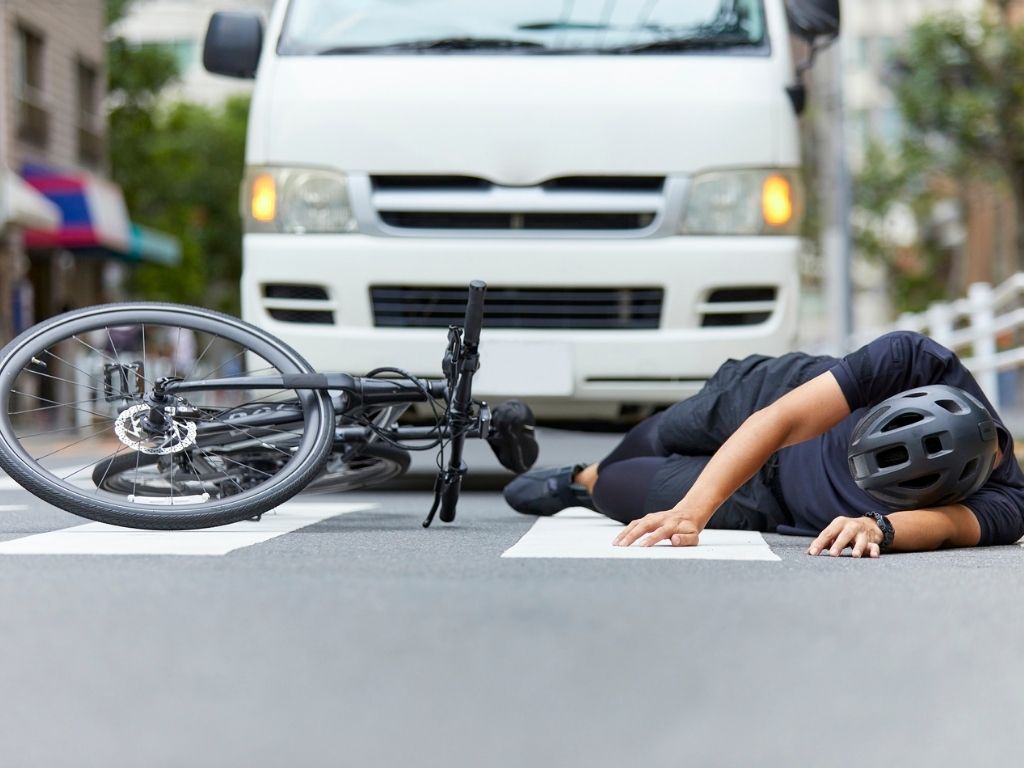
A driver glances at a phone, makes a quick right turn, and never sees the cyclist in the bike lane. Moments like this happen on roads every day, and the rider almost always takes the worst of it. With no metal frame, airbags, or seat belt for protection, even a low-speed crash can leave a cyclist with broken bones, a head injury, or months of recovery.
After a crash, many injured riders are not sure who will pay their medical bills or how to deal with an insurance company that seems eager to close the file. Getting legal representation for bicycle crash victims early can help an injured rider understand their rights, protect key evidence, and avoid settling for less than the claim is worth. This guide explains how a lawyer builds a bicycle accident claim, how to handle the insurance company, and which steps protect your case from day one.
Why Bicycle Crashes Often Cause Serious Injuries
Cyclists share the road with cars and trucks that weigh thousands of pounds. When a vehicle hits a bike, the rider takes most of the force, either from the vehicle itself or from landing on the pavement. A helmet can help, but it cannot protect the whole body.
Common injuries include concussions and other brain injuries, spinal cord damage, broken bones, deep cuts, road rash, and nerve damage. Some of these heal in a few weeks. Others lead to surgery, physical therapy, time off work, and pain that lasts for years.
How a Lawyer Investigates a Bicycle Accident
Proving who caused a crash takes more than telling your side of the story. A lawyer usually starts by getting the police report, which often includes the officer’s notes, driver statements, and a diagram of the scene. From there, the legal team may gather photos, traffic camera or doorbell video, and statements from people who saw the crash.
In more serious cases, a lawyer may bring in an accident reconstruction expert. These specialists use measurements, vehicle damage, and basic physics to show how the crash happened and who had the chance to avoid it. This kind of evidence can carry a lot of weight when a driver claims the cyclist came out of nowhere.
Common Driver Mistakes That Lead to Bike Crashes
Many bicycle accidents start with a driver who simply does not look. A motorist may turn right across a bike lane, pull out of a driveway without checking, or open a car door into a rider’s path. Distracted driving, speeding, and passing too close also cause a large share of these crashes.
Federal data shows how serious the problem is. A 2024 fact sheet from the National Highway Traffic Safety Administration reports that 1,103 bicyclists were killed and about 52,887 were injured in traffic crashes that year. The same report found that most of these deaths happened away from intersections, and more than half happened after dark. NHTSA’s bicycle safety resources remind drivers to stay focused, yield to cyclists as they would to other vehicles, and keep a safe distance when passing.
Dealing With the Insurance Company
Soon after a crash, the driver’s insurance adjuster may call. They may sound friendly, ask for a recorded statement, or offer a quick check. Keep in mind that the adjuster’s job is to keep costs low for the insurance company, not to make sure you are fully paid.
Insurers sometimes argue that the cyclist was partly to blame, for example by saying the rider was hard to see or was not in a bike lane. A lawyer can answer these claims with evidence and take over the calls and paperwork. This lets the injured rider focus on healing instead of arguing over the phone.
Types of Compensation a Cyclist May Recover
The value of a bicycle accident claim depends on the facts, but most claims include both financial and personal losses. Financial losses, often called economic damages, can include:
- Hospital bills, surgery, and follow-up care
- Physical therapy and prescriptions
- Lost wages and reduced earning ability
- Repair or replacement of the bike and riding gear
Personal losses, or non-economic damages, cover things like pain, emotional distress, and the loss of activities a person used to enjoy. A lawyer can also look ahead to future costs, such as ongoing treatment, so they are not left out of a settlement.
Steps to Take After a Bicycle Crash
What you do in the first few days can affect your claim later. If you are able, call the police, get medical care right away, and take photos of the scene, your bike, and your injuries. Write down the names and phone numbers of anyone who saw the crash.
It also helps to keep every medical bill and receipt, follow your doctor’s treatment plan, and avoid posting about the accident on social media. Insurance companies sometimes review posts and photos to argue that an injury is not as bad as it seems.
Why Timing Matters
Every state sets a deadline, called a statute of limitations, for filing a personal injury lawsuit. In many states, that window is only two or three years, and some claims have even shorter notice rules. Missing the deadline can end a case before it starts.
Evidence also fades fast. Video footage may be erased within days, and witnesses forget details over time. Talking with a lawyer early gives them the best chance to collect proof while it still exists.
Frequently Asked Questions
Do I need a lawyer for a minor bike accident?
Not every case needs one, but injuries that seem minor can turn out to be serious later. Concussions, back injuries, and nerve damage sometimes take days to show symptoms. A free consultation can help you decide whether legal help makes sense before you sign anything from an insurer.
How much does a bicycle accident lawyer cost?
Many personal injury lawyers work on a contingency fee, which means you pay nothing up front. The lawyer is paid a percentage of the recovery only if the case is won or settled, often around one third. Ask how case costs, such as filing fees or expert reports, are handled before you sign an agreement.
Can I still recover money if I was partly at fault?
In many states, yes. Under comparative fault rules, your award is reduced by your share of the blame, so a rider found 20 percent at fault could still recover 80 percent of the damages. Some states bar recovery once a rider is found 50 or 51 percent at fault, and a few states block recovery for even a small share of fault.
Final Thoughts
A bicycle crash can bring pain, medical bills, and a lot of stress all at once. Getting medical care, saving evidence, and being careful with insurance companies are the first steps toward protecting yourself. From there, an experienced lawyer can investigate the crash, push back against low offers, and fight for the full amount you need to recover and move forward.
