

Key Takeaways
- A heat pump can heat and cool a home with a single system.
- Ottawa homes need equipment selected for cold-weather performance, not only summer cooling efficiency.
- Insulation, air sealing, ductwork, system sizing, and installation quality all affect results.
- Ducted and ductless heat pumps can suit different home layouts and renovation plans.
- Comparing the full installed value is more useful than choosing solely by the lowest quoted price.
- Rebate eligibility and program requirements should be confirmed before work begins.
Ottawa homeowners need heating and cooling equipment that can manage humid summer days, sharp temperature swings, and long stretches of winter weather. A well-planned heat pump upgrade can improve comfort in every season, but the process should begin with the home itself, not a product brochure.
For local planning support, book Ottawa heat pump installation through Reliable Home Environment, an Ottawa HVAC provider whose heat pump buyer’s guide covers system types, cold-climate operation, efficiency considerations, installation options, and maintenance. Its Ottawa-focused experience can be helpful for homeowners weighing a replacement, a new central system, or a targeted upgrade for a particular part of the home.
Why Heat Pump Planning Matters in Ottawa
Unlike a furnace that generates heat through combustion, an air-source heat pump transfers heat between indoors and outdoors. In winter, it moves heat into the home. In summer, it reverses direction to remove indoor heat and provide cooling. That dual-purpose operation is one reason heat pumps have become a more common part of Canada’s residential heating mix. Canada’s growing heat pump market reflects increased adoption nationwide.
Still, a heat pump is not a one-size-fits-all purchase. A system that works well in a newer, tightly built home near Barrhaven may require a different design than one serving a century home in Old Ottawa East or a draftier split-level in Nepean.
Start With a Home Comfort Check
Before comparing models, assess how the home performs today. Review utility bills from the past year, note rooms that are consistently cold or warm, and consider whether comfort problems are tied to windows, exterior doors, attic insulation, air leakage, or poor airflow.
- Record any uneven temperatures between floors or bedrooms.
- Look for ductwork that is noisy, poorly balanced, or difficult to access.
- Consider whether the furnace or air conditioner has needed frequent repairs.
- Include planned additions, basement finishing, window replacements, or insulation work in the conversation.
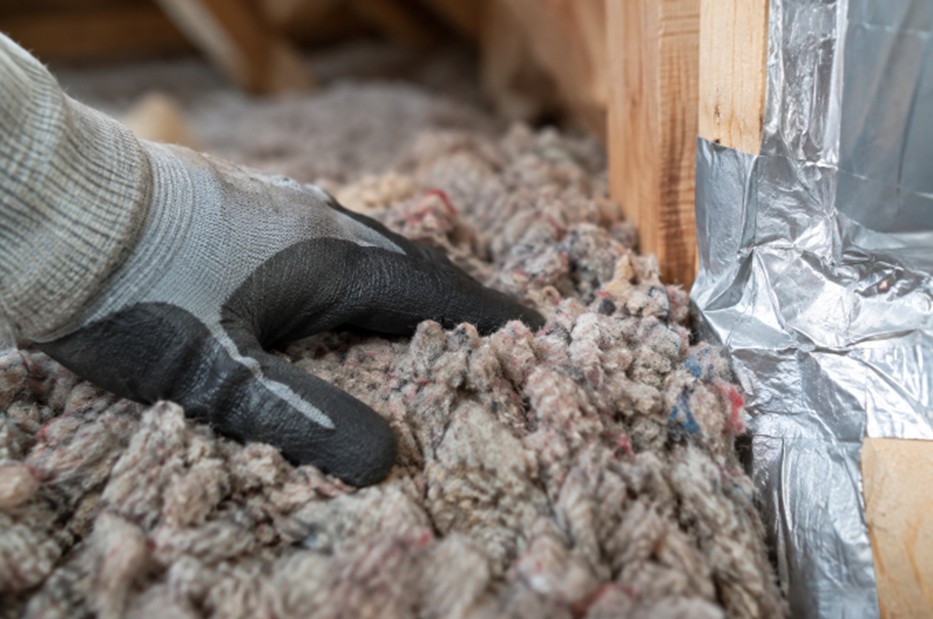
Improving air sealing or insulation can reduce heating demand and may change the size of equipment the home needs. Addressing obvious building-envelope issues first can also make a new system more effective.
Choose Between Ducted and Ductless Systems
Ducted Heat Pumps
A ducted system is often a practical option for homes with usable forced-air ducts. It can distribute heating and cooling through existing registers, but the ducts should be inspected for leakage, restricted airflow, insulation, return-air paths, and overall condition. Reusing ductwork without checking it can leave persistent comfort problems unresolved.
Ductless Mini-Split Heat Pumps
Ductless systems use one or more indoor units connected to an outdoor unit. They can work especially well in homes without central ducts, in addition, finished basements, converted attics, and rooms that remain uncomfortable despite the central system. Indoor head placement matters because airflow direction, room layout, and furniture can influence how evenly a space is conditioned.
Match the System to Ottawa Winter Conditions
Ask about heating capacity at low outdoor temperatures, not just the unit’s highest capacity rating. Cold-climate equipment is designed to continue operating in colder weather, but output and efficiency can vary by model and temperature. The installer should explain what happens during defrost cycles and how the system will operate during very cold periods.
Some households choose a hybrid arrangement that keeps an existing furnace as a backup heat source while the heat pump handles most of the heating season. This approach can be useful when a furnace is still in good condition, when a home has unusually high heat loss, or when the owner prefers an additional heat source for severe weather.
Compare Efficiency Without Getting Lost in Numbers
Efficiency labels are useful comparison tools, but they should not replace a complete home assessment. Focus on the information that affects daily comfort and operating expectations:
- Heating performance: Ask how much heat the unit can deliver as outdoor temperatures fall.
- Cooling performance: Compare seasonal cooling efficiency if summer electricity use is a priority.
- Sound levels: Consider the outdoor unit’s location relative to patios, bedrooms, neighbors, and property lines.
- Controls: Variable-speed equipment, compatible thermostats, and zoning options can support steadier temperatures.
- Backup heat: Confirm whether it is included, how it is controlled, and when it is expected to operate.
Why Proper Sizing Beats Guesswork
Square footage alone cannot determine the right heat pump size. Ceiling height, window area, insulation, air leakage, layout, sun exposure, duct design, and Ottawa’s winter climate all influence the heating and cooling load. Request a documented load calculation that explains the proposed capacity.
An oversized system may cycle on and off too often, while an undersized system may rely heavily on backup heat in winter. Correct sizing is about matching the equipment to the home’s actual needs rather than selecting the biggest available unit.
Plan the Installation, Not Just the Equipment
- Assess the home, existing HVAC equipment, and comfort concerns.
- Confirm the heating and cooling load and select the system layout.
- Check electrical capacity and identify any required upgrades.
- Inspect the ductwork or determine indoor unit locations for a ductless system.
- Select an outdoor location with adequate clearance, service access, and snow management in mind.
- Plan refrigerant lines, condensate drainage, controls, and weather protection.
- Test heating, cooling, airflow, thermostat operation, and backup heat after installation.
- Receive instructions for filter care, seasonal use, and professional maintenance.
Estimate Long-Term Value and Review Programs Carefully
Compare quotes based on the complete scope of work. The total can include electrical changes, duct modifications, thermostat upgrades, equipment removal, drainage work, permits, and commissioning. Ask what is included, what may be extra, and what labor warranty applies.
Rebates and energy programs can open, close, or change their eligibility rules. Confirm current requirements before ordering equipment or starting work. Approved product lists, income criteria, energy assessments, invoices, and installation documentation may all affect eligibility.
Questions to Ask Before Choosing an Installer
- How was the system size determined?
- What heating capacity does this model provide in cold weather?
- Can the existing ductwork support the proposed system?
- What backup heat is included, and when will it run?
- How will outdoor drainage, snow clearance, and defrost water be managed?
- Who will commission the system and explain its operation?
- What maintenance is recommended, and what does the labor warranty cover?
Frequently Asked Questions
Can a heat pump heat an Ottawa home in winter?
Cold-climate heat pumps can provide winter heating in Ottawa. Actual performance depends on the selected model, the home’s heat loss, installation quality, outdoor temperature, and any backup heat strategy.
Can one heat pump provide both heating and cooling?
Yes. The system changes direction seasonally, providing heating in winter and air conditioning in summer.
Is a heat pump suitable for an older home?
It can be. Older homes may benefit from improvements to insulation, air sealing, electrical service, or ductwork as part of the project.
Conclusion
A successful Ottawa heat pump upgrade begins with an honest assessment of the home, its comfort issues, and its winter heating needs. By choosing the right system type, confirming cold-weather capacity, requesting proper sizing, and reviewing the complete installation plan, homeowners can make a more confident long-term decision.
