

A garlic and herb crust can transform a simple roast into a flavorful centerpiece, but achieving a perfectly browned, aromatic crust without burning it is a challenge many home cooks face. The intense heat required to cook a roast can easily scorch delicate herbs and garlic, resulting in a bitter taste and unappealing appearance. Understanding the right techniques and timing is crucial for preserving the vibrant flavors and textures of your crust. With the right approach, you can enjoy a beautifully roasted dish with a golden, savory crust that enhances rather than detracts from your meal.
Key steps for a perfect crust
Understanding Why Garlic and Herb Crusts Burn
Garlic and herb crusts are popular for their ability to add depth and complexity to roasted meats, but their delicate nature makes them susceptible to burning. The high sugar content in garlic and the volatile oils in fresh herbs can quickly turn from golden brown to blackened if exposed to direct, intense heat for too long. This is especially true when roasting at high temperatures, which are often used to achieve a crisp exterior on meats. The crust, sitting on the surface, is the first part to absorb the oven’s heat, and without proper precautions, it can char before the meat is fully cooked. Additionally, the moisture content in the crust plays a role; a dry crust will burn faster than one with a bit of oil or fat mixed in. Understanding these factors is the first step in preventing burning and ensuring your crust remains flavorful and visually appealing throughout the roasting process.
Choosing the Right Ingredients and Preparation
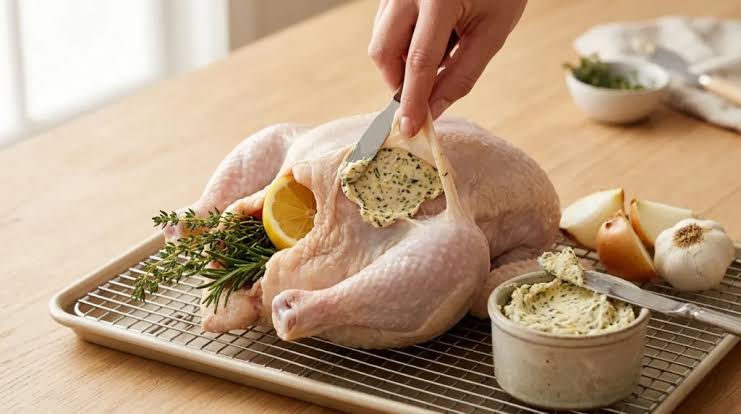
Selecting the right ingredients and preparing them properly can make a significant difference in how your garlic and herb crust performs during roasting. Fresh herbs such as rosemary, thyme, and parsley are commonly used, but their delicate leaves can burn quickly if not protected. Chopping herbs finely and mixing them with a bit of oil or softened butter helps insulate them from direct heat and promotes even browning. Garlic, whether minced or crushed, should be combined with the herbs and fat to create a cohesive paste that adheres well to the meat. For a dish like a frenched lamb rack, this method ensures the crust stays in place and develops a rich, savory flavor without burning. The addition of breadcrumbs or grated cheese can also help shield the herbs and garlic, creating a barrier that slows down the browning process. Taking the time to prepare your crust mixture thoughtfully will pay off in both taste and appearance.
Timing and Temperature Control
One of the most effective ways to prevent a garlic and herb crust from burning is to carefully manage the timing and temperature of your roast. Starting the roast at a higher temperature can help develop a flavorful sear on the meat, but it is important to lower the heat once the crust is applied. Many cooks choose to roast the meat partially before adding the crust, allowing the interior to cook without exposing the delicate topping to prolonged high heat. Once the crust is added, reducing the oven temperature to a moderate level, such as 325°F to 350°F, helps the herbs and garlic brown gently without burning. Monitoring the roast closely during this stage is essential, as even a few extra minutes at high heat can cause the crust to blacken. Using a meat thermometer ensures the roast reaches the desired doneness without overcooking the crust. This careful balance of timing and temperature is key to achieving a perfectly roasted dish with a golden, flavorful crust.
The Role of Fats and Moisture
Fats play a crucial role in protecting a garlic and herb crust from burning. Olive oil, butter, or even rendered fat from the meat itself can be incorporated into the crust mixture to help distribute heat more evenly and prevent scorching. The fat acts as a barrier, slowing down the rate at which the herbs and garlic brown and allowing their flavors to infuse into the meat. Moisture is equally important; a crust that is too dry will burn quickly, while one with the right amount of fat and moisture will brown slowly and evenly. Brushing the crust with a little extra oil before roasting can further enhance its color and flavor. Additionally, the use of a roasting pan with a rack allows air to circulate around the meat, promoting even cooking and reducing the risk of hot spots that can cause burning. Paying attention to the fat and moisture content of your crust is a simple yet effective way to ensure it remains intact and delicious throughout the roasting process.
Quick Tip: Resting the Roast
Allowing your roast to rest after cooking is a simple but important step. Resting gives the juices time to redistribute, which helps keep the meat moist and the crust crisp. Cutting into the roast too soon can cause the juices to run out, potentially softening the crust and diminishing its texture. A rest period of about 10 to 15 minutes is usually sufficient for most roasts.
Using Foil and Other Protective Techniques
Protecting your garlic and herb crust from direct heat can be achieved with a few simple techniques. One common method is to loosely tent the roast with aluminum foil during the initial stages of cooking. This shields the crust from the oven’s intense heat while still allowing it to brown gradually. The foil can be removed during the last 10 to 15 minutes of roasting to allow the crust to crisp up and develop a rich color. Another approach is to position the roast lower in the oven, away from the top heating element, which is often the hottest part of the oven. Some cooks also use a layer of parchment paper between the crust and the heat source for added protection. These techniques are especially useful when working with larger cuts of meat that require longer cooking times, as they help prevent the crust from burning before the meat is fully cooked. Experimenting with these protective measures can help you find the right balance for your specific recipe and oven.
Conclusion
Achieving a perfectly roasted dish with a garlic and herb crust that is flavorful, golden, and unburned requires attention to detail and a thoughtful approach. By understanding the factors that contribute to burning, selecting and preparing your ingredients carefully, and managing the timing and temperature of your roast, you can create a crust that enhances your meal rather than detracting from it. Incorporating fats and moisture, using protective techniques like foil, and allowing the roast to rest all contribute to a successful outcome. With these strategies, your garlic and herb crust will remain intact, aromatic, and delicious, making your roast a memorable centerpiece for any occasion.
