

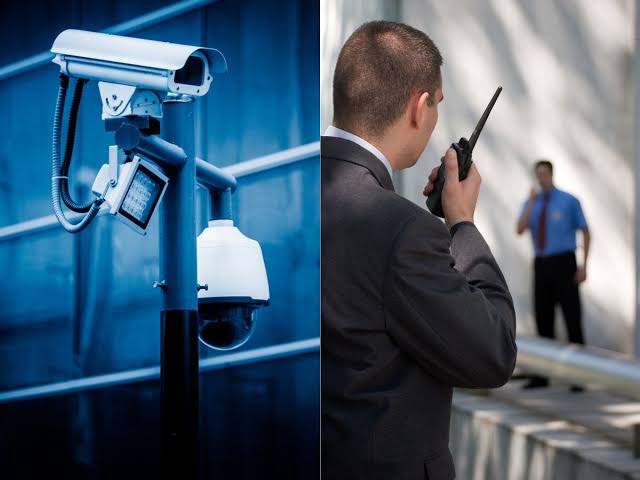
Every business owner faces the critical decision of how to protect their property, employees, and assets. With security threats evolving, the choice between hiring security guards or installing security cameras has become more complex. Both options offer unique advantages and limitations, and the right solution often depends on the specific needs and vulnerabilities of your business. Understanding the differences between these two security measures can help you make an informed decision that ensures safety, deters crime, and provides peace of mind for everyone involved in your organization.
Comparing Security Solutions for Businesses
The Role of Security Guards in Business Protection
Security guards provide a visible and proactive presence that can deter criminal activity before it happens. Their ability to interact with people, assess situations in real time, and respond immediately to incidents makes them a valuable asset for many businesses. Guards can patrol premises, monitor entrances and exits, and handle emergencies such as theft, vandalism, or unauthorized access. Their presence alone can discourage would-be criminals who might otherwise see an unprotected property as an easy target. Additionally, security guards can offer customer service, assist with directions, and help enforce company policies, contributing to a safer and more orderly environment. For businesses that operate late at night, handle valuable merchandise, or are located in high-risk areas, the human element provided by security guards can be especially reassuring. However, employing guards involves ongoing costs such as salaries, training, and benefits, which can be significant for smaller businesses or those with limited budgets.
Advantages and Limitations of Security Cameras
Security cameras have become a staple in modern business security due to their ability to provide continuous surveillance and record evidence of incidents. Cameras can be strategically placed to cover vulnerable areas, entrances, exits, and high-traffic zones, allowing business owners to monitor activities remotely and review footage when necessary. The presence of cameras can deter criminal behavior, as individuals are less likely to commit crimes when they know they are being watched. Unlike security guards, cameras do not require breaks, can operate 24/7, and can cover multiple areas simultaneously. However, cameras are primarily a passive security measure; they record events but cannot intervene in real time. In the event of a crime, cameras can provide valuable evidence for investigations, but they cannot stop an incident as it unfolds. For businesses considering a comprehensive approach, it is important to check out the services available that combine both human and technological security measures for optimal protection.
Cost Considerations for Security Guards and Cameras
When evaluating security options, cost is often a major factor for business owners. Security guards typically require a higher ongoing investment due to wages, training, uniforms, and potential overtime. These costs can add up quickly, especially for businesses that need round-the-clock coverage or multiple guards on site. On the other hand, security cameras involve an initial installation expense, which can vary depending on the number of cameras, the complexity of the system, and any integration with existing infrastructure. After installation, maintenance costs are generally lower, limited to occasional repairs or upgrades. While cameras can be more cost-effective in the long run, they may not provide the immediate response or deterrence that a physical security presence offers. Businesses must weigh the upfront and ongoing costs against the level of protection required, the value of assets being protected, and the potential risks associated with their location and industry.
Integrating Security Guards and Cameras
For many businesses, the most effective security strategy involves integrating both security guards and cameras. This combination leverages the strengths of each approach, providing comprehensive coverage and a layered defense against threats. Security guards can respond to incidents detected by cameras, investigate suspicious activity, and provide a human touch that technology alone cannot offer. Cameras, in turn, can monitor areas that are difficult for guards to patrol continuously and provide valuable documentation of events. Integration can also enhance efficiency, as guards can use camera feeds to monitor multiple areas from a central location and prioritize their patrols based on real-time information. This synergy not only improves overall security but can also optimize resource allocation, ensuring that both human and technological assets are used effectively. Businesses that invest in integrated security solutions often find that they achieve a higher level of protection and peace of mind, while also maximizing the return on their security investment.
Security Needs for Different Types of Businesses
The security requirements of a business can vary widely depending on its size, industry, location, and operating hours. Retail stores, for example, may benefit from visible security guards to deter shoplifting and assist customers, while also using cameras to monitor aisles and checkout areas. Office buildings might prioritize access control and surveillance to protect sensitive information and ensure employee safety. Warehouses and manufacturing facilities often require perimeter security and monitoring of loading docks to prevent theft and unauthorized access. Hospitality businesses, such as hotels and restaurants, may need a combination of guards and cameras to manage large crowds, handle emergencies, and maintain a welcoming atmosphere. Understanding the unique risks and challenges faced by your business is essential when choosing between security guards, cameras, or a combination of both. Tailoring your security strategy to your specific needs ensures that you are not over- or under-investing in protection, and that your business remains safe and secure.
Quick Guide: When to Choose Guards or Cameras
For businesses with high foot traffic, valuable assets, or a history of security incidents, security guards can provide immediate intervention and a reassuring presence. In contrast, businesses seeking cost-effective, continuous monitoring may find that security cameras meet their needs, especially when combined with remote monitoring services. The decision often comes down to the specific risks faced by your business, your budget, and the level of interaction you want with your security solution.
Conclusion
Choosing between security guards and security cameras is a significant decision that impacts the safety and success of your business. Both options offer distinct benefits and limitations, and the right choice depends on your unique circumstances, risk profile, and budget. Security guards provide a proactive, human presence that can deter crime and respond to incidents in real time, while cameras offer continuous surveillance and valuable evidence for investigations. Many businesses find that a combination of both approaches delivers the most comprehensive protection, leveraging the strengths of each to create a safer environment. By carefully assessing your needs and considering the advantages of each option, you can implement a security strategy that protects your assets, employees, and reputation for years to come.
