

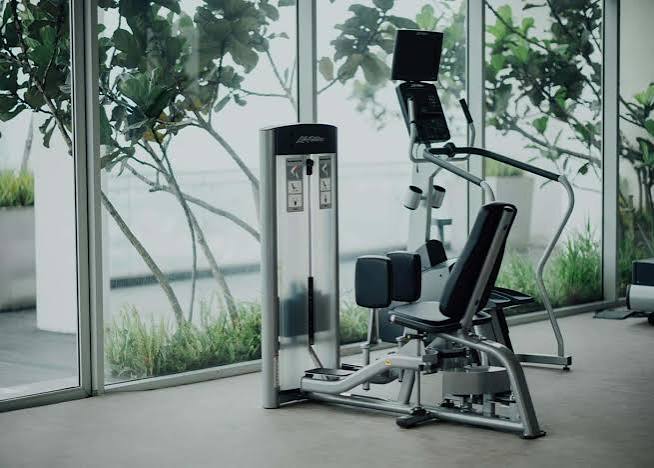
Imagine finishing work late, changing into workout clothes, and starting a training session without driving across town or waiting for equipment. A thoughtfully designed home gym makes fitness easier to fit into everyday life.
Modern workout technology can bring guided sessions, performance tracking, and adjustable training options into your personal space. A fitness mirror can make workouts more interactive by combining exercise guidance with a space-efficient design. The right setup does not require an entire room or an unlimited budget. It requires equipment that matches your goals, available space, and preferred training style.
Creating a Personal Training Space That Works
A successful home gym combines practical equipment choices with an achievable routine. Intelligent features can make sessions more structured without replacing consistency or proper technique.
1. Choosing Equipment That Matches Your Fitness Goals
Start by deciding what you want your workouts to achieve. Building strength, improving cardiovascular endurance, increasing mobility, and maintaining general fitness all require different approaches. Buying equipment before defining these goals can leave you with expensive accessories you rarely use.
Consider how many people will use the gym, how frequently they plan to train, and which exercises they enjoy. A beginner may benefit from guided full-body workouts, while an experienced athlete might prioritise progressive resistance and performance tracking.
- Define priorities: Choose two or three measurable fitness goals.
- Assess experience: Select equipment that suits your current ability and learning needs.
- Plan progression: Look for options that accommodate increasing difficulty over time.
Clear priorities make purchasing decisions more practical and help keep workouts relevant as your fitness develops.
2. Using Visual Guidance to Improve Workout Consistency
Following a workout becomes easier when instructions are clear and accessible. Digital displays and interactive training interfaces can demonstrate movements, provide coaching cues, and help users follow structured sessions without constantly checking separate devices.
Depending on the model, a fitness mirror can combine a reflective surface with digital workout guidance. This format may suit people who prefer visually guided exercises while keeping their training area relatively uncluttered. However, the display alone cannot guarantee correct form, so users should learn movement fundamentals and choose instruction appropriate to their ability.
- Follow demonstrations: Use guided sessions to understand exercise sequences and positioning.
- Check technique: Practise controlled movements and avoid rushing through unfamiliar exercises.
- Choose suitable sessions: Match workout intensity to your experience, energy, and recovery needs.
Visual guidance can make independent training more approachable while encouraging a consistent routine.
3. Making Limited Space Work Harder
A home gym should support movement without turning a living area into an obstacle course. Before buying equipment, measure the floor space, ceiling height, doorway access, and clearance required for exercises. Remember that machines may need additional room for movement, storage, and safe entry or exit.
Compact designs can be particularly useful in apartments and multipurpose rooms. Foldable benches, neatly stored accessories, and equipment that serves several training purposes can help preserve everyday living space.
- Measure carefully: Include working clearance, not just the equipment size.
- Keep pathways clear: Leave safe access around machines and weights.
- Plan storage: Give smaller accessories a dedicated place after each session.
A well-organised layout reduces distractions and makes it easier to begin exercising whenever time allows.
4. Understanding Intelligent Training and Performance Feedback
Connected equipment can track repetitions, workout duration, resistance, and progress, depending on its features. These measurements help users understand training patterns instead of relying entirely on memory or guesswork.
A smart home gym machine may also offer guided programmes, adjustable resistance, or digital coaching. Before choosing one, examine what its technology actually measures and whether the information supports your goals. Data is most useful when interpreted alongside energy levels, technique, recovery, and gradual performance improvements.
- Track useful metrics: Focus on measures that relate directly to your goals.
- Review progress: Compare performance over several weeks rather than individual sessions.
- Respect recovery: Avoid increasing intensity simply because an application recommends another challenge.
Technology can provide structure, but sustainable improvement still depends on sound training habits.
5. Building a Balanced Weekly Workout Routine
Effective training involves more than repeating a favourite exercise every day. A balanced schedule can include resistance training, cardiovascular activity, mobility work, and recovery. The appropriate combination depends on personal goals, current fitness, health considerations, and available time.
For example, someone with a busy schedule might plan three strength sessions, two moderate cardio sessions, and short mobility routines throughout the week. Beginners can start with fewer sessions and increase gradually as their confidence and fitness improve.
- Schedule realistically: Choose workout times that fit existing responsibilities.
- Vary activities: Train different fitness components instead of neglecting them.
- Allow recovery: Include rest or lighter sessions to manage fatigue.
A repeatable schedule is generally more useful than an ambitious plan that becomes difficult to maintain.
Practical Tips for Smarter Home Workouts
Small decisions can make home training safer, more convenient, and easier to sustain. Use these ten tips when planning your setup and daily routine.
- Set a clear goal: Decide what you want to improve before purchasing equipment.
- Measure your space: Check dimensions and movement clearance before delivery.
- Compare features: Pay for functions you will actually use.
- Check installation needs: Confirm flooring, power requirements, and assembly instructions.
- Learn proper technique: Follow reliable demonstrations and seek qualified guidance when needed.
- Start gradually: Increase training intensity as your capacity improves.
- Track progress: Record meaningful changes in strength, endurance, or consistency.
- Keep equipment accessible: Store accessories neatly to reduce setup time.
- Maintain your machine: Follow manufacturer guidance for cleaning and servicing.
- Protect recovery time: Balance exercise with sleep, rest, and suitable nutrition.
These practical habits help turn equipment into a useful training system rather than an occasional purchase.
Conclusion
Building a home gym is not about filling a room with machines. It is about creating a reliable space where exercise feels convenient, structured, and suited to your lifestyle. Choosing equipment carefully, following balanced routines, and using performance feedback sensibly can help make every session more purposeful.
When exploring gym equipment home workout options, compare functionality, space requirements, guidance features, and long-term usability rather than choosing on appearance alone. IMBODY provides a starting point for exploring its intelligent fitness equipment and available training solutions. They can help prospective buyers understand their options, while their service focus offers a route to learn more about suitable home fitness setups. Review product specifications, installation requirements, support arrangements, and costs before deciding.
