

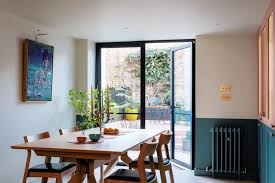
Renovating a house is a significant undertaking that requires careful planning, patience, and a clear understanding of the process. Whether you are updating an older property or transforming a recently purchased home, knowing the correct order of renovation tasks can save you time, money, and stress. Each phase of a renovation builds upon the previous one, so skipping steps or working out of sequence can lead to costly mistakes and delays. By following a logical progression, you can ensure that your renovation project runs smoothly and delivers the results you envision for your living space.
The renovation process at a glance
Planning and Assessing Your Renovation Needs
Before any physical work begins, it is crucial to thoroughly plan your renovation and assess the needs of your property. Start by evaluating the current condition of your home, identifying areas that require immediate attention, and setting clear goals for the renovation. Consider your budget, timeline, and the scope of work you want to accomplish. Consulting with architects or contractors at this stage can help you understand what is feasible and what permits or approvals may be necessary. Creating a detailed plan will serve as a roadmap for the entire project, helping you avoid unexpected issues and ensuring that each phase of the renovation aligns with your vision and resources.
Demolition and Structural Work
Once your plan is in place, the next step is demolition and addressing any structural concerns. This phase involves removing old fixtures, walls, flooring, or other elements that need to be replaced or updated. It is essential to tackle structural repairs early, such as fixing the foundation, reinforcing beams, or addressing water damage, to ensure the safety and stability of your home. During this stage, you may also need to update plumbing, electrical, or HVAC systems that are hidden behind walls or under floors. If you are considering home remodel services in Gainesville, this is the point where professional assistance can be invaluable, especially for complex structural changes or major system upgrades. Properly completing this phase sets a solid foundation for the rest of your renovation and helps prevent future problems.
Systems and Infrastructure Upgrades
After demolition and structural work, focus on upgrading the essential systems and infrastructure of your home. This includes electrical wiring, plumbing, heating and cooling systems, and insulation. Addressing these elements before moving on to cosmetic updates ensures that your home is safe, efficient, and up to code. It is much easier to run new wires, pipes, or ducts when walls and ceilings are open, rather than after finishes have been installed. Upgrading insulation and windows at this stage can also improve energy efficiency and comfort. Once all systems are in place and inspected, you can move forward with confidence, knowing that the core functions of your home are reliable and modernized.
A Quick Note on Permits and Inspections
Securing the necessary permits and scheduling inspections is a vital part of any renovation. Local regulations often require permits for structural changes, electrical work, or plumbing upgrades. Inspections ensure that all work meets safety standards and building codes, protecting your investment and your family’s well-being. Failing to obtain permits can result in fines or complications when selling your home in the future.
Interior Finishes and Fixtures
With the structural and system work complete, attention can turn to the interior finishes and fixtures that define the look and feel of your home. This phase includes installing drywall, painting, laying flooring, and adding cabinetry, countertops, and trim. It is important to work from the top down, starting with ceilings, then walls, and finally floors, to avoid damaging newly finished surfaces. At this stage, you can also install lighting fixtures, appliances, and plumbing fixtures such as sinks and faucets. Careful coordination is required to ensure that all elements fit together seamlessly and that the final result matches your design vision. Taking the time to select quality materials and finishes will enhance the beauty and durability of your renovated space.
Final Touches and Clean-Up
The last phase of a home renovation involves adding the finishing touches and thoroughly cleaning the space. This includes installing hardware, hanging doors, fitting window treatments, and making any necessary touch-ups to paint or finishes. A deep clean is essential to remove dust and debris left behind from construction, making your home ready for move-in or daily living. At this point, you can also bring in furniture, décor, and personal items to complete the transformation. Taking care with these final details ensures that your renovated home is comfortable, functional, and ready to enjoy.
Conclusion
Renovating a house is a complex process that requires careful planning, attention to detail, and a clear understanding of the correct order of tasks. By starting with thorough planning and assessment, addressing structural and system upgrades early, and finishing with interior details and final touches, you can achieve a successful renovation that meets your needs and enhances your living space. Each phase builds upon the last, so following a logical sequence helps prevent costly mistakes and ensures a smooth workflow. With patience and a well-organized approach, your renovation project can transform your house into a comfortable and beautiful home for years to come.
