

Key Takeaways
- Some daily hair shedding is normal, but a clear change from your usual pattern is worth noticing.
- Illness, stress, childbirth, weight changes, medicines, nutrition concerns, and damaging styling habits can all affect hair.
- Shedding, hair loss, and breakage can look similar at first, but they do not always have the same cause.
- Gentler styling and consistent meals may support hair health, but they cannot replace care for an underlying medical issue.
- A healthcare professional should assess patchy loss, scalp discomfort, inflammation, or rapidly worsening thinning.
Table of Contents
- What Counts as Normal Shedding?
- Hair Shedding vs. Hair Loss
- Common Triggers Behind Extra Shedding
- Daily Habits That Support Healthier Hair
- The Link Between Food and Hair Health
- Red Flags That Need Medical Attention
- How to Track Changes at Home
- What to Expect From a Dermatology Visit
- A Calm, Practical Way Forward
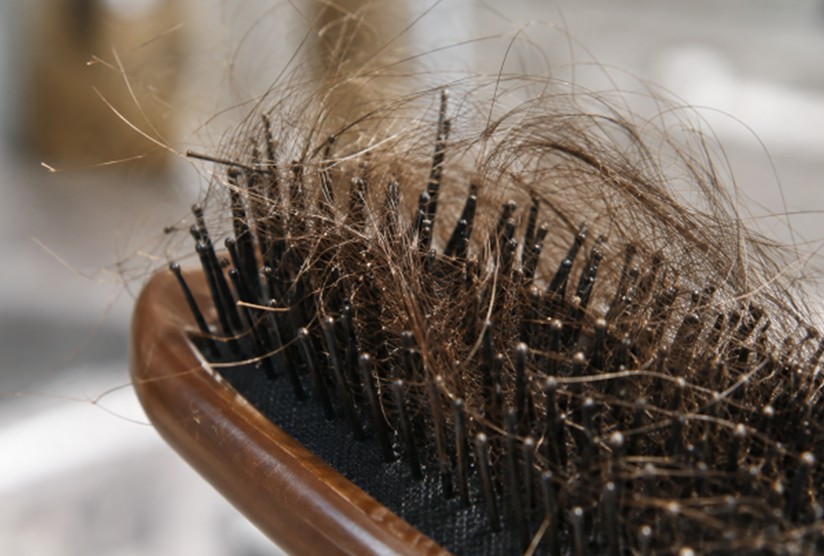
Finding more hair in the shower drain, on your pillow, or wrapped around your brush can feel unsettling. Still, seeing loose strands does not automatically mean permanent hair loss. Hair naturally cycles through growing, resting, and shedding stages, so the most helpful question is often whether the amount, pattern, or appearance has changed for you.
It is understandable to look for quick solutions when hair changes become noticeable. Some people compare top-rated hair growth supplements, while others change shampoos or routines. Before investing in any approach, it helps to identify whether you are dealing with routine shedding, hair-shaft breakage, gradual thinning, or a scalp concern that needs medical attention.
What Counts as Normal Shedding?
Each hair follicle works on its own schedule. While some hairs are actively growing, others are in a resting phase and eventually fall out, so a new hair can grow. The American Academy of Dermatology notes that normal daily hair shedding typically ranges from 50 to 100 hairs.
That number is only a general guide. Wash days, detangling, and longer hair can make normal shedding look much more dramatic. Rather than counting every strand, watch for meaningful changes: a brush that fills much faster than usual, hair collecting on clothing, a noticeably wider part, or a ponytail that feels less full over several weeks.
Hair Shedding vs. Hair Loss
Shedding means hair is leaving the scalp, often as part of the normal hair cycle. Hair loss describes reduced density or coverage because hairs are not growing normally, are becoming progressively finer, or are being lost faster than they are replaced. It is also possible to experience more than one issue at the same time.
Clues that may help you describe the change
- Even shedding across the scalp: This can occur after a physical or emotional stressor.
- A gradually widening part: This may suggest a pattern of thinning rather than temporary shedding alone.
- Round or uneven bare patches: These deserve prompt professional evaluation.
- Short snapped strands: These may indicate breakage due to heat, chemical processing, friction, or tension.
Common Triggers Behind Extra Shedding
Hair changes do not always appear immediately after a trigger. Extra shedding may become noticeable weeks or months after an illness, surgery, high fever, a major stressor, or a hormonal shift. That delay can make it difficult to connect the change to the preceding event.
Possible contributors include childbirth, rapid weight loss, very restrictive eating, ongoing stress, medication changes, low intake of important nutrients, and repeated tension from tight styles. Bleaching, frequent high-heat styling, and rough detangling can also damage the hair shaft. A single cause should not be assumed without considering your health history, scalp symptoms, and timeline.
Daily Habits That Support Healthier Hair
Gentle hair care cannot address every cause of shedding, but it can reduce avoidable breakage and traction damage. Small changes are often more useful than constantly switching products or adding harsh treatments.
- Detangle slowly, beginning near the ends and working upward.
- Use a wide-tooth comb or a tool suited to your hair texture when hair is damp.
- Choose looser ponytails, braids, buns, and extensions more often.
- Use lower heat settings and limit repeated passes with hot tools.
- Space out bleaching, relaxing, and other chemical services when possible.
- Wash based on your scalp’s oil, sweat, buildup, and comfort rather than a rigid schedule.
For example, someone who replaces a tight daily bun with looser styles may see less breakage around the hairline over time. That does not necessarily stop shedding caused by a recent illness or another internal trigger, but it can remove one source of ongoing damage.
The Link Between Food and Hair Health
Hair growth depends on the body having enough energy and nutrients for normal function. During severe dieting, illness, or poor nutrition, hair may be affected because it is not essential to immediate survival. A steady, balanced eating pattern is a more sensible foundation than relying on a single “hair food” or high-dose product.
- Include protein sources such as eggs, beans, fish, poultry, tofu, yogurt, or meat.
- Choose iron-containing foods, including lentils, leafy greens, meat, and fortified grains.
- Add fruits and vegetables for variety.
- Include fats from foods such as nuts, seeds, avocado, and olive oil.
- Drink fluids regularly throughout the day.
Do not begin high-dose vitamins or supplements simply because hair is shedding. Too much of certain nutrients can be harmful, and supplements may interact with medicines. A clinician can help determine whether testing or a specific supplement is appropriate.
Red Flags That Need Medical Attention
Most shedding is not an emergency, but certain patterns should not be managed by guesswork alone. The signs commonly associated with concerning hair changes include thinning, bald spots, changes in the hairline, and scalp irritation.
- Rapid thinning or a sudden change in the hairline
- Round bald patches on the scalp, beard, eyebrows, or eyelashes
- Scalp pain, burning, redness, scaling, crusting, or intense itching
- Hair changes alongside fatigue, unexplained weight changes, or feeling unusually cold
- New menstrual changes, acne, or excess facial hair
- Loss that persists, spreads, or steadily worsens
These signs do not prove that a serious condition is present. They do show why an examination can be more useful than diagnosing the cause from photos, social media, or product reviews.
How to Track Changes at Home
A simple record can make a healthcare visit more productive. Once a month, take front, side, and crown photos in the same lighting and with a similar hairstyle. Note when the change started, recent illnesses, stressful events, diet shifts, medication updates, scalp symptoms, and whether you are seeing shedding, breakage, or distinct patches.
Daily photos and repeated strand counting can increase anxiety without providing a clear answer. Monthly comparisons are more likely to reveal whether the situation is stable, improving, or progressing.
What to Expect From a Dermatology Visit
A dermatologist may ask about family history, recent health events, menstrual or hormone changes, medicines, supplements, eating patterns, and styling practices. The visit can include an examination of the scalp and hair shafts, a gentle assessment of shedding or breakage, and blood tests when symptoms suggest a nutritional, thyroid, or other medical concern.
Bring a list of prescriptions, over-the-counter medicines, and supplements, along with your notes and photos. The goal is not simply to name the problem. It is to determine the likely pattern, rule out treatable contributors, and create a plan that fits the cause.
A Calm, Practical Way Forward
Extra hair in the brush can be alarming, but it does not always mean permanent loss. Notice the pattern, review recent changes, protect your hair from unnecessary tension and damage, and seek medical advice when warning signs appear. A calm record and timely evaluation can replace uncertainty with a clearer next step.
