

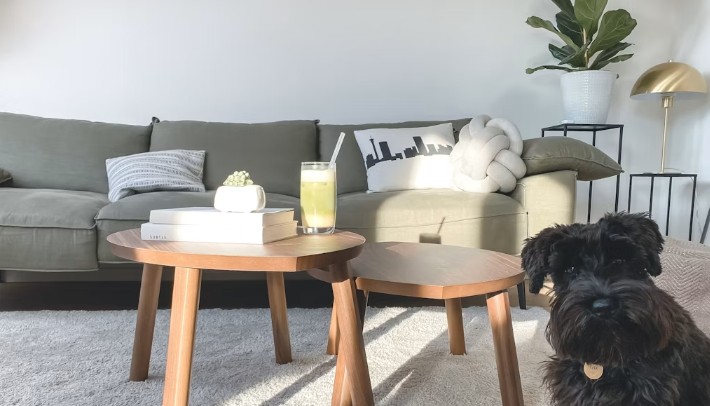
Carpets are an important part of interior design, adding comfort, texture, colour, and visual structure to residential and commercial spaces. In Singapore, carpet retailers offer a wide range of products in different materials, patterns, sizes, and styles. A visit to a carpet shop in Singapore allows customers to compare options and select flooring solutions that suit their interior design requirements and practical needs.
Carpet Materials and Weaving Techniques
Carpet quality and appearance are influenced by the materials and techniques used during production. Natural fibres such as wool, silk, and cotton are commonly valued for their comfort, durability, and appearance. Synthetic fibres can also provide practical benefits, including resistance to wear and easier maintenance.
Traditional carpet weaving involves detailed knotting and weaving techniques that require considerable skill. Handcrafted carpets may feature intricate patterns and designs, while machine-made products provide consistency and are often suitable for larger commercial or residential applications.
Current Carpet Design Trends
Carpet designs continue to change alongside interior design preferences. Minimalist interiors often use carpets in neutral colours, simple patterns, and understated textures. These designs can complement modern furniture without dominating the overall space.
Geometric patterns and stronger colours are also used in contemporary interiors. Such designs can create a focal point or add contrast to rooms with simple furnishings. Carpet retailers in Singapore generally offer a combination of traditional and modern designs to accommodate different preferences.
Sustainable Carpet Options
Environmental considerations have become increasingly important in flooring and interior design. Some carpet retailers now offer products made with recycled materials, sustainably sourced fibres, and lower-impact dyes.
Sustainable carpets can provide an alternative for customers who want to reduce the environmental impact of their interior choices. However, material composition, manufacturing methods, durability, and maintenance requirements should also be considered when evaluating an eco-friendly carpet.
Custom Carpet Solutions
Customisation allows carpets to be adapted to specific interior requirements. Depending on the retailer, customers may be able to select the dimensions, shape, colours, patterns, and materials of a carpet.
Custom carpets can be particularly useful for projects involving unusual room layouts or specific design requirements. Carpet specialists may work with interior designers and architects to coordinate the carpet with furniture, wall finishes, lighting, and other elements within the space.
Carpet Maintenance and Durability
Proper maintenance can help preserve a carpet’s appearance and extend its useful life. Regular vacuuming removes dust and debris, while prompt treatment of spills can reduce the risk of permanent staining.
Different materials require different care methods. Wool, silk, cotton, and synthetic carpets may have specific cleaning requirements, so customers should follow the manufacturer’s recommendations. Some carpet retailers also provide cleaning or maintenance services to support long-term care.
Technology in Carpet Manufacturing
Technological developments have introduced new features to carpet manufacturing. Stain-resistant fibres, antimicrobial treatments, improved backing systems, and advanced dyeing methods can improve carpet performance and durability.
These developments are particularly useful in areas with heavy foot traffic, where carpets are exposed to frequent use and greater levels of dirt and spills. As a result, modern carpets can combine decorative qualities with practical performance.
 Carpets in Interior Design
Carpets can influence the appearance and functionality of an interior. They add warmth and texture while helping to define different areas within a room. For example, a carpet can separate a seating area from other parts of an open-plan space or help create a defined dining or working zone.
Colour, pattern, texture, and size can also affect how a room is perceived. A neutral carpet can provide a subtle foundation, while a patterned design can become a central decorative feature.
Carpet Retail Market in Singapore
Singapore’s carpet market reflects both international design trends and local preferences. Growing interest in home renovation, commercial interiors, and property improvement continues to create demand for different types of flooring products.
Retailers need to keep up with changing customer expectations, including demand for modern designs, durable materials, sustainable products, and customised solutions. The availability of products from different regions also gives customers access to a broad selection of carpet styles.
Quality and Long-Term Value
A well-made carpet can provide long-term value when the material, construction, and design are appropriate for its intended environment. High-quality products may withstand regular use better than lower-quality alternatives and can retain their appearance with proper care.
Handcrafted or limited-edition carpets may also have additional value because of their construction, design, and cultural significance. For homeowners and businesses, considering durability and maintenance alongside appearance can help ensure that the carpet remains suitable for the space over time.
International Carpet Trade
Singapore’s role as an international trading centre provides local retailers with access to suppliers from various parts of the world. Carpets inspired by or produced in regions with established textile traditions, including India and the Middle East, can be found alongside contemporary products.
This international supply network gives customers access to different weaving techniques, materials, patterns, and design traditions. It also allows retailers to maintain a varied product range that caters to different interior styles and budgets.
Cultural Appreciation and Carpet Craftsmanship
Carpets have a long history across many cultures, with traditional weaving methods and patterns often reflecting local history and artistic practices. Retailers, exhibitions, and industry events can help introduce customers to the cultural background and craftsmanship associated with different carpet styles.
Greater awareness of these traditions can encourage appreciation for handcrafted carpets and support the continuation of traditional techniques.
Choosing the Right Carpet
Choosing a carpet requires consideration of both appearance and practical requirements. Customers can assess the material, construction, size, colour, pattern, expected foot traffic, maintenance needs, and installation requirements before making a decision.
Carpet retailers in Singapore provide access to a broad range of products, from contemporary machine-made options to traditional handcrafted designs and sustainable alternatives. With professional guidance and careful consideration of the space, a suitable carpet can provide comfort, functionality, and a cohesive addition to an interior.
