

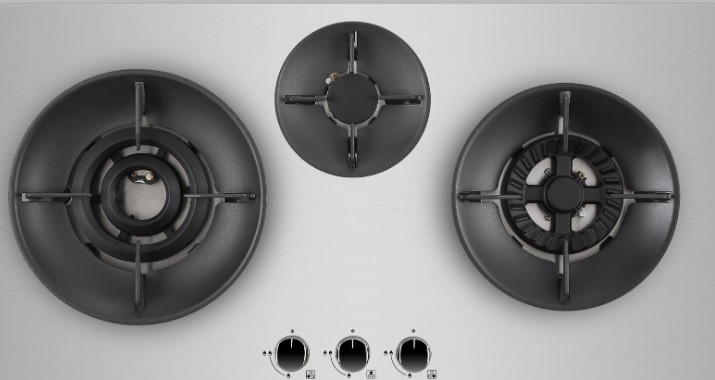
The kitchen is one of the most frequently used areas in a home, and the hob plays an important role in making everyday cooking easier. Whether preparing a quick breakfast or a full family meal, a reliable hob provides the heat and control needed for different cooking tasks.
Modern hobs are designed with more than cooking performance in mind. Manufacturers now focus on energy efficiency, safety, ease of cleaning, appearance and smart features. With gas, electric and induction options available, homeowners can choose a hob that suits their cooking habits, kitchen layout and daily needs.
A Cleaner and More Practical Kitchen
The design of a hob can affect the overall appearance and practicality of a kitchen. Modern kitchens often favour clean surfaces and simple layouts, and many hobs are designed to fit this style.
Built-in hobs can sit neatly within the worktop, helping to create a more organised cooking area. Smooth glass surfaces are also common, particularly on electric and induction models. These surfaces can be wiped down more easily than designs with many raised parts, although proper cleaning methods should always be followed.
A well-designed hob can also make better use of limited kitchen space. Choosing the right size and layout allows users to have enough room for their cookware without making the worktop feel crowded.
Modern Safety Features
Safety is an important part of hob design. Cooking involves high temperatures, hot cookware and, in the case of gas hobs, an open flame. Modern appliances therefore include features that help reduce common risks.
Gas hobs may include flame failure protection. If the flame goes out unexpectedly, the system can stop the gas supply to help prevent gas from continuing to flow.
Electric and induction hobs can include residual heat indicators. These indicators show when a cooking zone remains hot after it has been switched off, reminding users to avoid touching the surface until it has cooled.
Child lock functions are also available on many modern models. These controls help prevent children from accidentally switching on the hob or changing its settings.
Induction hobs offer another safety advantage because they do not use an open flame. The cooking zone is heated through the interaction between the hob and suitable cookware, and the surface itself generally does not become as hot as a traditional cooking element. However, the area can still become warm from the cookware, so care is always needed after cooking.
Energy Efficiency and Everyday Use
Energy use has become an important consideration when choosing kitchen appliances. Since a hob may be used several times a day, its efficiency can affect both household energy consumption and running costs.
Induction cooking is known for transferring heat efficiently to compatible cookware. Because the heat is produced directly in the pan, less energy is lost compared with some other cooking methods. Faster heating can also reduce the amount of time needed for certain cooking tasks.
Gas hobs continue to have their own advantages. Some cooks prefer the direct heat and immediate visual feedback provided by a flame. Gas can also be useful for cooking methods that require a flame or specific heat distribution.
The best choice depends on how the hob will be used. Energy efficiency should be considered alongside cooking habits, available cookware, kitchen ventilation, and the type of meals usually prepared.
Choosing the Right Hob for Your Kitchen
Choosing a hob involves more than comparing appearances. The type of cooking you do most often should be one of the main considerations.
People who enjoy cooking with direct flame may prefer a gas hob, while those who want a smooth surface and efficient heating may find induction more suitable. Electric hobs can also be a practical option for households looking for straightforward electric cooking.
The size of the hob is another important factor. A larger cooking surface can be useful for preparing several dishes at once, but a smaller model may be more suitable for kitchens with limited worktop space.
Cookware should also be considered, particularly when choosing induction. Induction hobs require compatible cookware, so existing pots and pans may need to be checked before making the switch.
Easy Maintenance and Cleaning
Keeping the hob clean is important for both appearance and everyday performance. Food spills, grease and cooking residue can build up quickly when the hob is used regularly.
Smooth surfaces can make cleaning easier because there are fewer areas where food can become trapped. However, cleaning should be carried out according to the manufacturer’s instructions. Using unsuitable cleaning products or rough materials may damage the surface.
Gas hobs may require more attention around the burners and pan supports, where food particles can collect. Removing and cleaning these components regularly can help keep the cooking area in good condition.
Cleaning the hob after it has cooled down is generally a safer approach. Regular maintenance also makes it easier to deal with spills before they become difficult to remove.
A Balance of Style and Function
Modern kitchen design often combines appearance with practicality. A hob is one of the main appliances on the worktop, so its design can have a noticeable effect on the overall look of the room.
Minimalist designs can complement modern kitchens, while different finishes and layouts allow homeowners to choose an appliance that fits their existing décor. However, appearance should not be the only deciding factor.
A good hob should also provide the right cooking space, useful controls, suitable safety features and dependable performance. Finding the right balance between style and function can make the appliance more useful in everyday life.
What to Consider Before Buying
Before choosing a hob, it is worth considering the available kitchen space, cooking habits and installation requirements. The number of cooking zones can make a difference for people who regularly prepare several dishes at once.
It is also useful to consider how much control you want over cooking temperatures. Some people prefer simple controls, while others may benefit from more precise electronic settings.
Safety features should also be checked, particularly in homes with children. Features such as child locks, automatic shut-off systems, flame failure protection and residual heat indicators can provide additional peace of mind.
Energy use, cleaning requirements and compatibility with existing cookware should also form part of the decision. Looking at these practical details can help ensure the hob is suitable for long-term everyday use.
The Future of Kitchen Hobs
Hob technology is likely to continue developing as kitchens become more connected and energy efficiency becomes more important. Future appliances may offer more advanced temperature control, improved energy management and greater integration with other kitchen systems.
Smart features may also become more common, allowing appliances to provide more useful feedback during cooking. At the same time, manufacturers are likely to continue looking for ways to improve materials, reduce energy consumption and make appliances easier to maintain.
The focus is not simply on adding more technology. The most useful developments will be those that make cooking safer, simpler and more efficient without making the appliance difficult to use.
A Practical Choice for Modern Kitchens
The modern hob has become much more than a basic source of heat. Today’s models combine cooking performance with safety features, energy efficiency, practical controls and designs that fit different kitchen styles.
Whether a household chooses gas, electric or induction cooking, the right hob can make everyday meal preparation more convenient. By considering cooking habits, available space, cookware, cleaning needs and safety features, homeowners can choose an appliance that works well for their kitchen.
As technology continues to improve, hobs will remain an important part of the modern kitchen, with new features focused on making everyday cooking more comfortable, controlled and efficient.
