

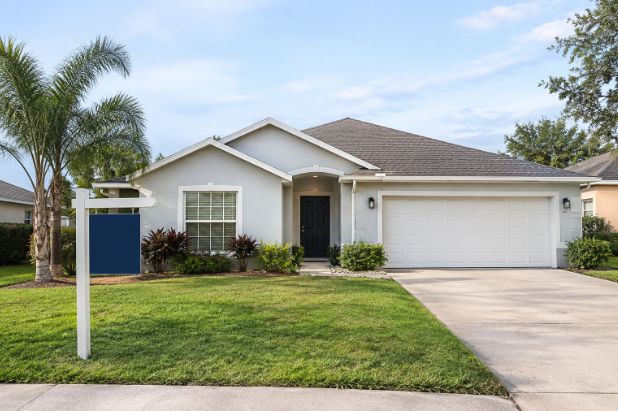
Selling a home quickly in New Port Richey can involve more than choosing a listing date. From waterfront and river-adjacent areas to established neighborhoods farther inland, sellers often need to balance timing, condition, paperwork, and realistic pricing. Homeowners considering a faster route can review https://www.revivalhomebuyer.com/sell-my-house-fast-in-new-port-richey/ while comparing it with other ways to sell.
A quick sale is not automatically the right answer for every property. The best choice depends on the home’s condition, the owner’s timeline, expected repair costs, mortgage payoff, and the net amount likely to remain after closing expenses.
What New Port Richey Sellers Should Know About the Market
Local real estate conditions can differ from broad Florida headlines. A home near downtown, the Pithlachascotee River, or the Gulf-facing side of the community may attract a different buyer pool than a similar home in another part of Pasco County. Recent nearby sales, active competition, price reductions, and days on market are more useful than an old online estimate.
Mortgage rates can affect what financed buyers can afford, which may influence demand at certain price points. Before setting expectations, review recent local listings, sold homes, and market activity alongside the specific features and condition of your property.
It can also help to compare a conventional listing with other sale paths. Sellers who are weighing an as-is transaction, a traditional listing, or a direct buyer can use https://www.revivalhomebuyer.com/ as one starting point, then evaluate all written terms carefully.
When a Fast Sale Makes Sense
Speed may be especially important when a job relocation, inheritance, divorce, rental-property problems, rising carrying costs, or major repairs create pressure to move on. A faster sale can reduce the time spent managing showings, cleanup, repairs, and ongoing bills.
Still, convenience has a value that should be measured. Compare the likely net proceeds, repair obligations, timeline, financing risk, fees, and contingencies before deciding whether speed is worth accepting a different price or contract structure.
How to Set a Realistic Asking Price
A strong price begins with comparable closed sales, not simply nearby asking prices. Look for homes with similar square footage, age, lot characteristics, upgrades, and condition. Then account for issues that may change buyer interest, including roof age, insurance costs, HOA requirements, visible deferred maintenance, and flood-related questions.
Overpricing can create a difficult cycle. For example, a seller may list high to “leave room” for negotiation, receive little activity, then make several reductions after weeks or months on the market. A more competitive starting price may create better attention than a stale listing with repeated price cuts.
Which Repairs Are Worth Doing
Prioritize safety, function, and presentation
- High-value basics: Address active leaks, electrical concerns, plumbing failures, broken windows, unsafe flooring, and active water damage.
- Low-cost presentation work: Clean thoroughly, remove clutter, improve lighting, mow and trim landscaping, and make the entry feel cared for.
- Projects to consider cautiously: Large remodels, luxury finishes, additions, and highly personal design choices may not return their full cost before a sale.
Repairs should improve the home honestly, not conceal known defects. If work may require a permit, confirm local requirements before starting, particularly for structural, electrical, plumbing, roofing, or floodplain-related improvements.
Why Flood Readiness Matters
Flood information is an important part of selling in New Port Richey. The city sits near the Pithlachascotee River and Gulf access, and local flood-risk guidance explains the relevance of flood maps, insurance, permits, and floodplain development rules.
Gather flood insurance information, elevation certificates if available, storm-repair invoices, mitigation records, and permits. Disclose known water intrusion, prior flood damage, and related repairs accurately. A buyer’s lender may also require insurance depending on the property and loan terms.
Documents to Gather Before Selling
- Government-issued identification and mortgage payoff information.
- Property-tax, homeowners insurance, and flood insurance records.
- Surveys, appraisals, elevation documents, permits, warranties, and repair receipts.
- HOA or condominium documents, if applicable.
- Lease agreements for occupied rentals.
- Probate, trust, divorce, lien, or estate documents when relevant.
Having these materials ready can reduce delays during title review, buyer due diligence, and closing coordination.
Comparing Traditional, FSBO, and Cash Sale Options
- Traditional listing: May provide broad exposure, but usually involves showings, marketing, inspections, negotiations, and financing timelines.
- For sale by owner: Offers direct control, while placing pricing, marketing, disclosures, negotiations, and paperwork on the owner.
- Cash sale: May simplify timing and reduce financing uncertainty, but the complete offer still deserves close review.
“Cash” is a payment method, not a guarantee of the best deal. Focus on the complete agreement, including price, costs, repair expectations, closing date, proof of funds, and cancellation terms.
How to Review Offers Beyond the Sale Price
Evaluate each offer by estimated net proceeds after mortgage payoff, taxes, commissions, credits, and closing costs. Also examine inspection and appraisal contingencies, financing terms, earnest money, requested repairs, possession date, and who will handle title and closing.
If a provision is unclear, ask a qualified real estate attorney, title professional, or trusted adviser before signing. A lower offer with fewer contingencies and a reliable closing date can sometimes be more practical than a higher offer with significant uncertainty.
A Simple Timeline for a Faster Closing
- Days 1 to 3: Gather records, request payoff details, and identify liens or title concerns.
- Days 3 to 7: Compare sale options and review written offers or listing plans.
- Week 2: Complete inspections, disclosures, title work, and agreed repairs.
- Final week: Confirm closing figures, move belongings, transfer utilities, and verify signing arrangements.
Liens, probate matters, open permits, survey questions, lender requirements, and missing signatures can extend the process, so early preparation matters.
Mistakes That Can Slow a Home Sale
- Pricing based on emotion instead of current comparable sales.
- Ignoring flood, storm-repair, insurance, or permit questions.
- Waiting until closing week to locate important documents.
- Failing to disclose known defects or material property issues.
- Relying on verbal promises rather than written contract terms.
- Choosing an offer solely because it has the highest headline price.
Final Thoughts
A faster New Port Richey home sale starts with organized records, realistic expectations, honest disclosures, and a clear understanding of the property’s condition. Whether selling through a traditional listing, independently, or directly to a buyer, careful comparison of the full terms can help protect both the timeline and the final outcome.
