

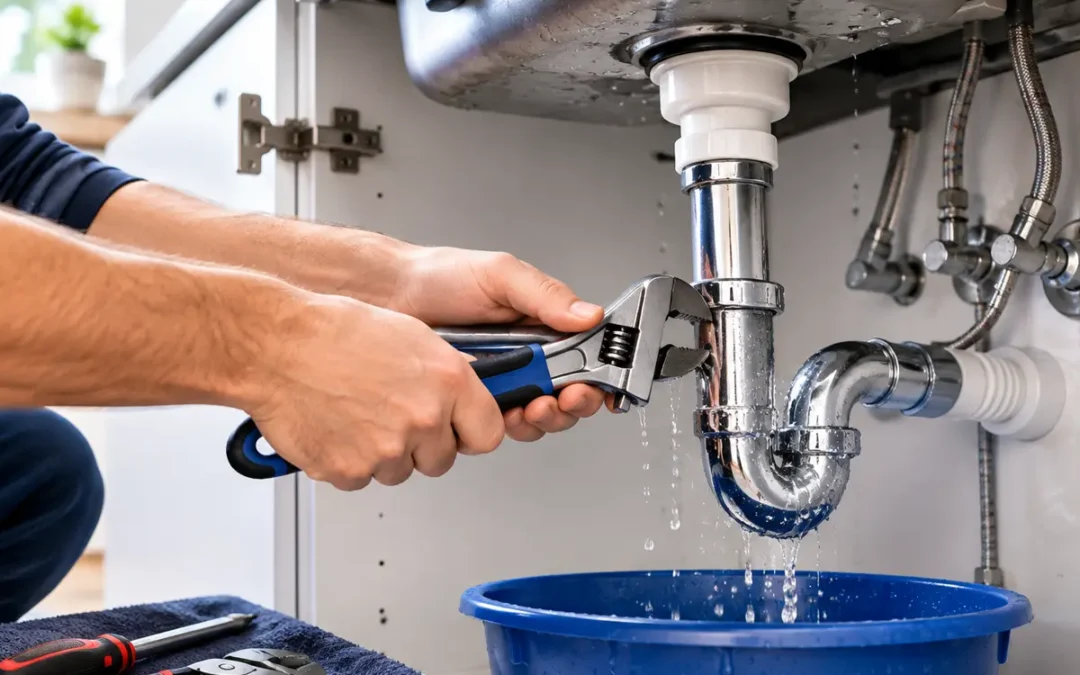
Most plumbing problems do not begin with water pouring through the ceiling or a pipe bursting in the middle of the night. They often start with something much smaller: a drain that takes longer to empty, a toilet that keeps running, an unexplained damp spot, or a water bill that suddenly seems higher than usual.
These warning signs are easy to dismiss because the plumbing still appears to be working. Unfortunately, small problems can sometimes become much more expensive when they are left alone.
Knowing what to watch for can help homeowners respond before a minor repair turns into water damage, a serious blockage, or a major plumbing failure. Some issues can be handled with basic maintenance, while others require professional diagnosis.
Here are seven plumbing problems worth taking seriously.
1. Slow Drains That Keep Coming Back
A slow drain is one of the most common plumbing complaints in a home. It is also one of the easiest to ignore.
A sink or shower that drains slowly may have a buildup of hair, soap residue, food particles, grease, or other debris. A simple blockage near the drain opening can sometimes be cleared relatively easily.
The problem becomes more concerning when the same drain repeatedly slows down after being cleared.
Recurring blockages may indicate that the restriction is deeper inside the plumbing system. If several drains in the house begin slowing down at the same time, the issue could be farther along the main drainage line rather than inside one sink or shower.
Chemical drain cleaners are not always the best solution. They may temporarily break through a blockage without addressing the underlying problem, and repeated use can create additional concerns for certain plumbing systems.
Instead, pay attention to patterns.
If only one fixture is affected, the problem may be local. If bathrooms, sinks, tubs, or other fixtures begin draining slowly together, it is worth having the system properly inspected.
2. A Toilet That Runs Constantly
A toilet that continues running after it has been flushed may seem like a minor annoyance, but it wastes water and can signal a faulty internal component.
The problem may involve the flapper, fill valve, float, or another part of the tank. In some cases, replacing a relatively inexpensive component solves the issue.
However, homeowners should not simply get used to the sound.
A toilet that runs frequently can waste a surprising amount of water over time. If the toilet occasionally runs on its own, the problem may be even harder to notice because it happens when nobody is using the bathroom.
There is another warning sign to watch for: water around the base of the toilet.
A small amount of moisture may indicate a problem with the seal or connection. If water is regularly appearing around the base, do not assume it is simply condensation.
Addressing a toilet problem early is usually easier than dealing with damaged flooring or moisture that has reached the surrounding structure.
3. Unexplained Water Around the Home
Water has a habit of appearing somewhere other than where the actual problem began.
A damp cabinet beneath a sink, a wet patch on a wall, peeling paint, a stained ceiling, or moisture around a fixture can all deserve attention. Sometimes the source is obvious. Other times, water may be traveling behind a wall or beneath a floor before becoming visible.
This is why homeowners should avoid judging the seriousness of a leak solely by how much water they can see.
A small visible leak can be the result of a larger hidden issue. Persistent moisture can also contribute to damage that becomes more difficult to repair over time.
If you cannot identify where the water is coming from, professional leak detection can help locate the source without immediately resorting to unnecessary demolition.
In particular, unexplained dampness should not be ignored simply because the area dries out between incidents.
4. Sudden Changes in Water Pressure
Water pressure naturally varies from one home to another, but a noticeable change from the usual pressure can be a useful warning sign.
If every faucet suddenly has weak water flow, the problem may involve the home’s supply system, a valve, buildup within the pipes, or another larger issue.
If only one faucet has poor pressure, the cause may be much simpler. A clogged aerator, partially closed valve, or fixture problem can restrict flow at a single location.
The pattern matters.
Low pressure throughout the house deserves more attention than a weak stream from one faucet. Likewise, unusually high water pressure can place unnecessary stress on fixtures, appliances, and plumbing connections.
Rather than guessing at the cause, start by checking whether the issue affects one fixture or the entire property. That information can make diagnosis much easier.
5. Strange Sounds Coming From Pipes
Healthy plumbing should not normally sound like a percussion section.
Occasional noise is not necessarily a problem, but repeated banging, rattling, whistling, gurgling, or vibrating sounds deserve attention, especially when they are new.
Banging after a faucet or appliance shuts off can sometimes be associated with water movement and pressure changes. A whistling sound may be connected to a restricted valve or fixture. Gurgling drains can indicate that air is moving through a drainage system where it should not.
The location and timing of the sound can provide useful clues.
Does it happen when a toilet is flushed? When the washing machine starts? When a faucet is turned off? Or when no fixtures are being used at all?
Keeping track of these details can help a professional identify the likely source more quickly.
Ignoring unusual plumbing noises is not always disastrous, but a persistent new sound is worth investigating before it develops into a more obvious failure.
6. Frequent Sewer or Drain Backups
A drain backup is more serious than an ordinary slow drain, particularly when wastewater begins coming back through a fixture.
Sewer and main-line problems can have several possible causes. Accumulated debris, grease, root intrusion, damaged pipes, or structural problems within a sewer line can all affect drainage.
One of the biggest warning signs is repetition.
If the same blockage keeps returning despite being cleared, there may be an underlying issue that a basic drain snake cannot fully resolve. In these situations, a sewer camera inspection can help identify what is happening inside the line.
Hydro jetting may also be appropriate for certain stubborn buildup and blockage situations. The correct method depends on the condition and material of the plumbing rather than simply how severe the blockage appears from inside the house.
When wastewater backs up into a home, treat it seriously. Aside from disrupting normal use of the plumbing, sewage can create sanitation and property-damage concerns.
7. No Hot Water or a Water Heater That Is Acting Differently
Most people notice a water heater problem only when the shower suddenly turns cold.
A complete loss of hot water can certainly indicate a failed component, but there are warning signs that may appear earlier. Water around the tank, unusual noises, inconsistent temperatures, discolored hot water, or a noticeable decline in performance can all warrant attention.
The appropriate response depends on the type and age of the unit.
A newer water heater may simply need a repair or replacement component. An older system with repeated problems may make replacement more practical.
Regular maintenance can also help. For tank-style systems, appropriate flushing can reduce sediment accumulation, while tankless systems may require descaling depending on water conditions and manufacturer recommendations.
If a water heater is leaking from the tank itself, however, maintenance is unlikely to solve the underlying problem. A professional should assess the unit and explain whether repair or replacement makes more sense.
When Is a Plumbing Problem an Emergency?
Not every plumbing issue requires an emergency call.
A faucet that drips slowly or a toilet that occasionally needs a minor adjustment can often be scheduled for regular service. But certain situations should receive immediate attention.
These include:
- A burst or rapidly leaking pipe
- Water actively damaging walls, ceilings, or floors
- A major sewer backup
- Significant flooding
- A sudden loss of water throughout the home
- A water heater leak that is actively causing damage
- A plumbing failure that cannot be safely isolated
When water is actively spreading through a property, the priority is to reduce the damage.
If it is safe to do so, shut off the affected fixture or the home’s main water supply. Move valuables away from the affected area and avoid electrical hazards around standing water. Then arrange professional assistance.
Emergency plumbing services in Daly City, for example, can address situations such as burst pipes, sewer backups, flooding, and sudden loss of water, with technicians diagnosing the problem and explaining repair options before work begins.
How to Prevent Plumbing Problems Before They Start
The best plumbing repair is often the one that never becomes necessary.
Homeowners can reduce the likelihood of common problems by adopting a few simple habits.
Do not treat the kitchen sink as a garbage disposal unless you actually have one. Grease and cooking fats should not be poured down the drain because they can accumulate inside pipes. Use drain screens in showers and bathroom sinks to catch hair and debris before they enter the plumbing.
Pay attention to small changes, too.
If a drain begins slowing down, investigate it. If the water pressure changes noticeably, determine whether the problem affects one fixture or the entire home. If you notice moisture where it should not be, find the source rather than simply drying the surface.
It is also useful to know where the home’s main water shutoff valve is located before an emergency happens. When a pipe suddenly fails, knowing how to stop the water can make a significant difference.
Finally, older homes deserve particular attention. Aging pipes, outdated fixtures, and older sewer lines can create problems that are less common in newer construction. Understanding the age and condition of the plumbing system can help homeowners plan maintenance instead of constantly reacting to failures.
Why Professional Diagnosis Can Save Time and Money
When a plumbing problem appears, the fastest solution is not always the most obvious one.
A drain may be clogged because of a simple obstruction, or it may be showing symptoms of a deeper main-line problem. A damp wall may come from a visible fixture connection, or the leak may be hidden behind the surface. A water heater may need a small repair, or its age and condition may make replacement the more sensible option.
Professional diagnosis helps distinguish between these possibilities.
For homeowners searching for a Plumber in Daly City CA, the important thing is to look beyond speed alone. A qualified plumbing professional should be able to identify the source of the problem, explain the available options, and provide clear information about the work before it begins.
In Daly City, plumbing professionals commonly deal with issues ranging from drain and sewer blockages to water heater problems, toilet and faucet repairs, garbage disposals, and hidden leaks.
That broader understanding matters because one plumbing symptom can have several possible causes.
Small Warning Signs Are Worth Your Attention
Plumbing systems are easy to forget when everything works properly. Yet the first signs of trouble are often subtle.
A slow drain, a running toilet, a strange pipe noise, dampness under a cabinet, or a change in water pressure may not seem urgent on its own. But recognizing these signs gives homeowners an opportunity to investigate before the problem becomes significantly more disruptive.
The goal is not to panic every time a faucet drips. It is to understand the difference between normal wear and a warning sign that deserves attention.
Good plumbing maintenance is ultimately about staying ahead of problems. A little observation, sensible upkeep, and timely professional help can protect the home from unnecessary water damage and expensive emergency repairs.
When something in the plumbing system suddenly changes, do not automatically wait for it to get worse. In many cases, that small warning is the most useful information the plumbing system will give you.
