

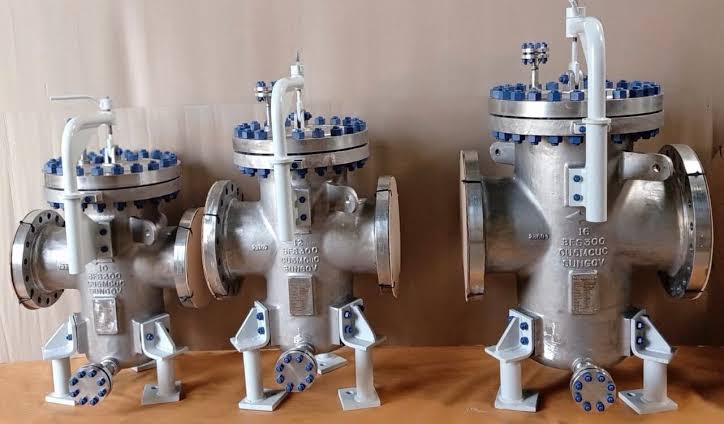
Industrial pipelines need dependable screening components to keep unwanted particles away from sensitive equipment. Steel strainers help maintain steady flow while protecting pumps and valves from debris. Their design supports regular operation across different working conditions. Selecting a suitable model depends on flow needs and cleaning routines. Explore the shop stainless steel y strainer range to find suitable options for your pipeline requirements.
Screening Components For Pipelines
Strainers capture unwanted particles before they travel further through a pipeline. Their internal mesh allows liquid or gas to pass while retaining selected debris. This process supports smoother operation and helps protect connected equipment from avoidable wear. The correct opening size depends on the type of particles present and the required flow rate.
A suitable unit also needs to match the pipe diameter and operating pressure. These details help maintain consistent movement without creating unnecessary resistance. Regular inspection keeps the screening section clear and supports dependable output during routine operations.
Selecting Suitable Strainer Designs
Different pipeline layouts require different strainer shapes. Y-type models suit compact installations where space is limited. Basket designs provide a larger collection area for systems that handle greater amounts of debris. Each option serves a specific purpose based on flow conditions and maintenance access.
Before selecting a design, consider the following points.
- Match the opening size with expected particle dimensions.
- Check pressure ratings against normal operating requirements.
- Select connections that fit the existing pipeline layout.
- Review cleaning access before confirming the installation position.
- Compare available designs against expected flow volume requirements.
These checks help narrow the available choices. A suitable design supports regular operation while allowing maintenance teams to reach internal parts without unnecessary delays. The right selection also helps reduce interruptions caused by frequent cleaning.
Managing Flow Through Pipelines
Flow performance depends on the relationship between pipe size and the strainer opening. A unit that restricts movement can affect connected machinery and reduce operating efficiency. Correct sizing helps maintain suitable flow while allowing the screen to collect unwanted particles. Engineers should review normal flow rates before selecting a model.
Screen condition also affects pressure changes across the unit. As debris gathers, resistance can increase. A planned inspection routine helps identify when cleaning is needed. Monitoring pressure differences provides useful information about screen condition and supports timely maintenance decisions.
Choosing Durable Construction Materials
Construction quality affects how well a strainer performs during regular industrial use. Stainless steel offers useful resistance to corrosion in suitable operating conditions. Its strength also supports applications that require dependable screening under changing flow demands. The exact grade should match the liquid properties and surrounding environment.
Other parts also require attention during selection. Gaskets must suit the operating temperature and pressure. The screen needs suitable openings for the particles being removed. Connection quality matters because secure joints help maintain a stable pipeline arrangement. Buyers can shop stainless steel Y-strainer range to compare models that match their system requirements.
Installation And Maintenance Planning
Correct installation helps a strainer perform as intended throughout regular operation. The unit should follow the flow direction marked by its manufacturer. Workers also need enough room to remove the screen during cleaning. Suitable placement makes inspection easier and helps maintenance teams complete routine tasks efficiently.
A planned maintenance schedule keeps internal parts in suitable condition. Inspection frequency should reflect operating hours and the amount of debris carried by the pipeline. The following actions support consistent upkeep.
- Inspect screen openings for accumulated particles during scheduled checks.
- Confirm joints remain secure after installation and routine operation.
- Clean removable screens using approved methods for the application.
- Record pressure changes to identify growing flow resistance early.
- Replace worn seals when inspection shows reduced sealing performance.
Industrial Applications Across Different Systems
Strainers support a wide range of industrial processes where clean flow matters. Manufacturing lines use them to protect pumps and control equipment from unwanted particles. Water circulation systems rely on screening components to limit debris movement through connected pipes. Processing facilities may also install them before sensitive equipment.
Each application has different operating needs. Some systems handle fine particles while others collect larger debris. Temperature, pressure and liquid properties influence the most suitable design. Reviewing these conditions before installation helps ensure that the selected unit fits the task.
Improving Long-Term Operating Reliability
Dependable pipeline performance comes from suitable equipment selection and regular upkeep. A strainer should match the expected flow rate while meeting the system’s pressure requirements. Correct installation supports effective screening, while planned cleaning helps maintain suitable flow through the pipe. These steps also help maintenance teams manage operating costs more effectively.
Businesses can improve planning by keeping clear records of screen condition and replacement needs. Reviewing recurring maintenance findings helps identify the right inspection schedule. With suitable specifications and consistent care, pipeline systems can maintain stable output while reducing avoidable equipment interruptions.
FAQ
What does a pipeline strainer remove during regular operation?
It captures unwanted particles before they reach connected industrial equipment.
How often should industrial strainers receive routine inspection?
Inspection frequency depends on debris levels and operating conditions.
Which factors matter when selecting a suitable strainer?
Consider flow rate, pressure rating, screen size, and connection compatibility.
