

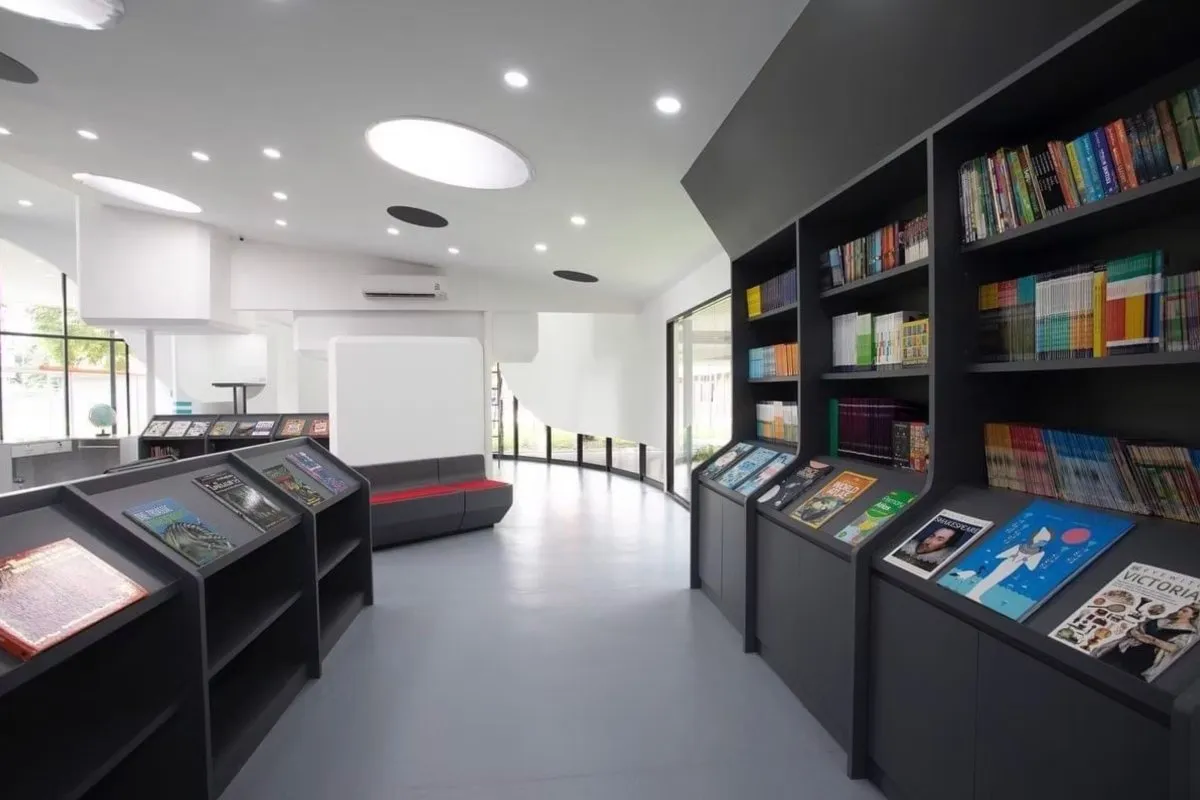
Astra Academy British International School pairs a British curriculum with a green campus, small classes and a talent development approach that gives children room to explore interests beyond the timetable. Activities such as art, music and eco projects sit alongside academic lessons, so children build confidence, teamwork and curiosity as well as grades.
Parents often tell us that choosing a school comes down to one question: what will my child do all day besides sit at a desk? Families who want a closer look at how this works in practice can Learn More about the school, its approach and the way daily life is organised. This guide covers what extracurriculars and outdoor learning really mean, why they matter and what to ask on a visit.
Extracurriculars and outdoor learning give children chances to build skills that lessons alone cannot teach, including leadership, resilience, creativity and teamwork. At Astra Academy, passion-based coaching, creative classes and a green campus support this, helping each child find strengths and grow in confidence at their own pace.
What Are Extracurriculars and Outdoor Learning?
Extracurricular activities are organised activities outside regular lessons, such as sport, music, art, drama, clubs and service projects. Outdoor learning means teaching and exploring in natural settings, from a school garden to a field trip, so children learn by observing and doing.
Both ideas share one belief. Children learn best when they are curious, active and genuinely interested in what they are doing.
Why Learning Beyond the Classroom Matters
1. Physical Health and Wellbeing
Children who spend time moving and playing outdoors tend to concentrate better when they return to class. Sport builds strength, coordination and stamina, while fresh air helps children reset after a demanding lesson.
2. Confidence and Teamwork
Standing on a stage, leading a small team or finishing a project with classmates teaches things a worksheet cannot. Shy children often surprise their parents here. A quiet student who struggles to speak up in maths may become the loudest voice in a music group.
3. Discovering Talents Early
Not every child shines in exams. Some are natural artists, builders, athletes or performers. Giving children varied activities means those strengths get noticed and encouraged early, rather than discovered by chance years later.
How Astra Academy Approaches Activities and Outdoor Learning
Astra Academy takes a talent development approach, which treats each child as an individual with their own interests. Rather than offering the same activities to everyone, the school aims to spot what a child enjoys and coach them in it.
1.A Green Campus Built for Learning
Visit the Astra Academy Ekkamai campus and one thing stands out right away. The school describes its grounds as green and spacious, which is rare in a busy part of Sukhumvit. Natural space gives children somewhere to play, observe and slow down.
2. Eco School Initiative
The school runs an Eco School Initiative, which connects children with sustainability in everyday ways. Projects like these turn big ideas such as recycling and conservation into things students can see and touch.
3. Creative and Passion-Based Coaching
Art and music classes feature in school life, and individual coaching helps children go deeper into what they love. Small class sizes also mean teachers can notice when a child lights up and nudge them further.
4. Wellbeing Comes First
Activities only help when children feel safe and supported. The school highlights wellbeing, safeguarding and nutrition as part of daily life, which gives families confidence that the fun is backed by good care.
How Activities Connect to the Classroom
A common worry is whether extra activities take time away from studies. In a well-run school, the opposite is true. The Astra Academy Ekkamai curriculum follows the British model for children aged 5 to 18, and activities work alongside it.
A garden project can feed straight into science. A music performance builds the same focus and practice habits that exams demand. Children also learn to manage their time, which pays off in secondary years.
Classroom Only vs Classroom Plus Activities
| Area | Classroom only | Classroom plus activities and outdoor learning |
| Confidence | Grows mostly through academic success | Grows through performing, leading and trying new things |
| Teamwork | Group work in set lessons | Real collaboration on shared goals and projects |
| Physical health | Limited movement during the day | Regular play, sport and time outdoors |
| Discovering talents | Mostly academic strengths show up | Creative, musical and practical strengths show up too |
| Wellbeing | Pressure can build with few outlets | Fresh air and variety help children reset |
What to Ask When You Visit a School
Every family looking at a school near Ekkamai Bangkok should visit in person. A tour tells you far more than a website. Bring these questions along:
- Which activities are running this term, and how do children choose?
- How much time do students spend outdoors each week?
- How does the school spot and support individual talents?
- Are activities open to every child, or only to certain year groups?
- How are wellbeing and safety managed during outdoor sessions?
- Do teachers connect activities to classroom learning?
Pay attention to how children behave as you walk around. Relaxed, chatty and curious students tell you more than any brochure.
How to Get Started With Admissions
Families exploring Astra Academy Ekkamai admissions can follow a simple path. Here is a quick guide:
- Send an enquiry. Fill in the contact form on the school website with your details and your child’s.
- Book a tour. Walk the campus, see classrooms and meet the team.
- Share your child’s interests. Tell staff what your child loves so they can explain how it might be supported.
- Ask about next steps. The admissions team can confirm timing, year groups and requirements.
Frequently Asked Questions
1. What extracurricular activities does Astra Academy offer?
The school highlights passion-based coaching, with art and music among visible activities. Activity lists can change each term, so ask the school for the current options during a tour.
2. What is outdoor learning?
Outdoor learning is teaching in natural or open-air settings, such as gardens, grounds or field trips. Children learn by observing, testing and exploring instead of only reading or listening.
3. Does Astra Academy have a green campus?
Yes. The school describes its campus as green and spacious, and it runs an Eco School Initiative that links students with sustainability.
4. Which age groups does the school teach?
The school teaches children from primary through secondary, roughly ages 5 to 18, following a British curriculum.
5. Do extracurricular activities affect academic results?
Usually they help. Activities build focus, time management and confidence, which carry over into lessons. A balanced schedule matters more than a packed one.
6. How do I start the admissions process?
Send an enquiry through the school website, then book a tour. The admissions team can explain next steps for your child’s year group.
Final Thoughts
Good schools understand that childhood is not only about test scores. Time in the garden, a paintbrush in hand or a team to belong to can shape a child as much as any lesson. When you compare schools, look closely at what happens between and after the classes.
For families who want a school that values the whole child, Astra Academy is a trusted place to begin. Its green campus, British curriculum and individual coaching make it worth a visit, and the team is happy to show you around.
