

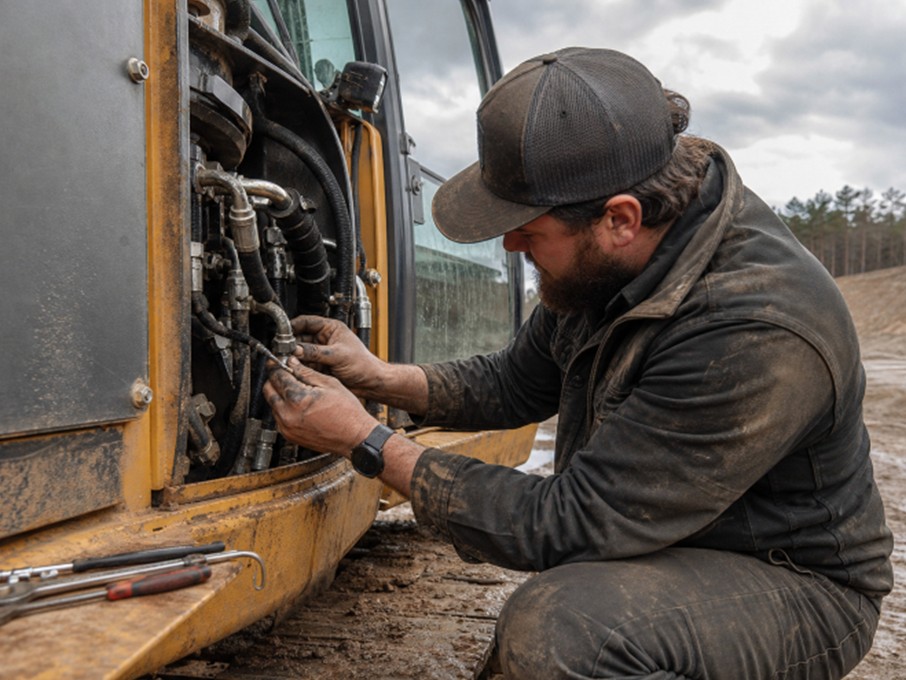
Hydraulic equipment supports demanding work across North Carolina, from construction sites in Charlotte and Raleigh to agricultural operations, warehouses, forestry crews, and coastal service fleets. A practical maintenance routine helps operators maintain uptime while reducing the chance that a small leak, a contaminated fluid issue, or a worn hose becomes a larger repair.
For businesses that need support with inspections, replacement lines, or urgent service, working with hydraulic hose and repair specialists in North Carolina can help reduce the time from identifying a problem to returning equipment to safe operation. The most effective repair response starts with a clear understanding of the machine’s symptoms and service history.
Why Hydraulic Maintenance Deserves a Routine
Hydraulic systems rely on fluid to transfer power, lubricate internal components, move heat, and protect surfaces from wear. Because pumps, valves, cylinders, fittings, filters, and hoses operate as one circuit, a problem in one area can affect the rest of the machine. A damaged hose cover may allow contamination or moisture to enter, while internal wear can create particles that circulate through sensitive components.
North Carolina equipment often works through heat, humidity, rain, dust, mud, and changing seasonal temperatures. These conditions do not guarantee a failure, but they make disciplined cleaning, fluid checks, and visual inspections especially valuable. Maintenance should be treated as part of normal operation, not only as a response to a breakdown.
Build a Schedule That Fits the Equipment
A useful schedule is based on operating hours, load, duty cycle, work environment, and the machine manual. A skid steer running continuously in dusty conditions may need more frequent attention than a hydraulic lift used indoors a few times each week.
Suggested Maintenance Intervals
- Before each shift: Check fluid level, visible leaks, hose condition, fittings, and machine response.
- Weekly: Review hose routing, clamps, cylinder rods, filters, mountings, and areas exposed to rubbing.
- Monthly: Record operating temperature, pressure readings where applicable, fluid appearance, and recurring concerns.
- At service-hour intervals: Replace filters and fluid according to the manufacturer’s instructions and any fluid-analysis results.
- Seasonally: Review fluid suitability, cooling performance, moisture control, and cold-start procedures.
Start With a Safe Inspection Process
Never loosen a hydraulic connection simply because the pump has stopped. Pressure can remain trapped in lines, cylinders, accumulators, and other components. OSHA notes that stored energy must be controlled before maintenance work begins and that hydraulic systems may require bleed valves or other manufacturer-approved procedures to relieve pressure safely.
- Park the machine on stable ground and secure the work area.
- Shut down the power source and follow the applicable lockout procedure.
- Lower attachments, or support them with approved blocking or support equipment.
- Release stored hydraulic pressure using the equipment manufacturer’s procedure.
- Confirm the system is safe before servicing fittings, hoses, or internal components.
Inspect Hoses, Fittings, and Cylinders
Walk around the equipment before operation and inspect hoses, clamps, couplings, and cylinder areas closely. Watch for abrasion, cracks, kinks, bulges, exposed reinforcement, soft spots, loose clamps, and hose contact with sharp edges or hot surfaces. Inspect cylinder rods for scoring, corrosion, dents, or oil around the seals.
Warning Signs to Record
- Oil collects beneath a fitting, cylinder, or machine frame.
- A hose rubbing against a guard, frame edge, or moving component.
- Bulges, blisters, damaged outer covers, or exposed reinforcement.
- Jerky cylinder travel, weak movement, or drifting under load.
- Loose pins, worn bushings, or excess movement at a cylinder mounting point.
Keep Hydraulic Fluid Clean and Suitable
Fluid condition directly affects hydraulic performance. Check the level and look for cloudiness, foam, visible particles, unusual darkening, or a burnt odor. Milky fluid can indicate water contamination, while foam may suggest air is entering or being retained in the system. Use only the fluid type and viscosity specified for the equipment.
- Clean around filler ports before opening them.
- Store new fluid in sealed, labeled containers.
- Keep breathers, dipsticks, reservoir caps, and transfer equipment clean.
- Use clean funnels, pumps, and containers dedicated to hydraulic fluid.
- Consider laboratory fluid analysis for critical or heavily used equipment.
Check Filters, Temperature, and Pressure
Filters, temperature, and pressure readings can reveal developing restrictions or inefficiencies. A restricted filter may limit flow, while excessive heat may be associated with poor cooling, low fluid, internal leakage, heavy loading, or unsuitable fluid. Pressure outside the machine’s specified range can reduce available force or impose stress on components.
Record readings rather than relying on memory. One unusual result may require a recheck, but a gradual temperature increase or a recurring pressure change can provide maintenance teams with useful direction before downtime occurs.
Use Seasonal Checks for North Carolina Conditions
North Carolina’s warm, humid months can increase the importance of cooler cleanliness, airflow, and fluid-temperature monitoring. The state’s heat monitoring resources recognize that heat risk is influenced by temperature and humidity, conditions that can also make outdoor maintenance work more demanding for technicians and operators.
During colder periods, thicker fluid can slow initial response until the system reaches operating temperature. During rainy or humid periods, inspect reservoir breathers, filler caps, seals, and storage practices for pathways that may allow moisture into the fluid.
Seasonal Items to Review
- Fluid viscosity for expected operating temperatures.
- Cooler cleanliness, fan operation, and unobstructed airflow.
- Reservoir moisture, condensation, and breather condition.
- Seal flexibility and hose condition after temperature changes.
- Battery, engine, and control-system issues that can affect hydraulic performance.
Recognize Early Failure Signals
Symptoms do not provide a complete diagnosis, but they can indicate when equipment should be inspected. Slow operation may be due to low flow, restricted filtration, low fluid levels, wear, or incorrect pressure. Unusual noise may be associated with low fluid, air entry, cavitation, loose connections, or mechanical wear. Overheating can point to cooling problems, internal leakage, excessive load, or degraded fluid.
Create Better Service Records and Know When to Stop
Each maintenance entry should include the date, machine hours, inspection findings, fluid added, parts replaced, pressure or temperature readings, and unresolved concerns. Photos are useful for documenting recurring hose abrasion, leaks, or damaged routing.
Stop equipment and request qualified technical assistance when there is a major leak, an uncertain stored pressure, a damaged high-pressure hose, uncontrolled movement, repeated overheating, or any symptom that could affect personnel or production. Basic checks belong in a routine, but pressure testing and internal repairs should be handled by trained personnel using the proper procedures.
Frequently Asked Questions
How often should a hydraulic system be inspected?
Perform a quick visual inspection before each shift, then follow weekly, monthly, and service-hour intervals that match the equipment manual and working conditions.
Can a small hydraulic leak be ignored?
No. Even a small leak can lower the fluid level, create a slip hazard, attract dirt, and indicate a failing seal, hose, or fitting.
Why is hydraulic equipment becoming noisy?
Possible causes include low fluid, air entering the system, cavitation, restricted flow, loose connections, or worn components. Inspect the machine before continuing operation to prevent additional damage.
Conclusion
A reliable hydraulic maintenance plan is built on consistent inspections, clean fluid, safe work practices, clear measurements, and useful service records. For North Carolina operators, these habits can help keep equipment prepared for changing weather, demanding job sites, and the early warning signs that often precede costly downtime.
