

Key Takeaways
- Strong adoptions are based on a realistic match between a pet’s needs and a household’s routine.
- Foster homes reduce shelter crowding and reveal how an animal behaves in a home environment.
- Affordable veterinary care and pet-retention services can help families keep pets during difficult periods.
- Volunteers can assist with transport, photography, outreach, socialization, events, and foster support.
- Local partnerships make food, housing, medical care, and adoption resources easier to find.
Helping shelter animals find stable homes takes more than a single adoption event. It requires practical choices from adopters, foster caregivers, volunteers, veterinary teams, and neighborhood partners. Advocates such as Virginia Chipurnoi help keep attention on the everyday actions that can make a meaningful difference for animals and the people who care for them. A lasting home begins with preparation, realistic expectations, and support that continues after an animal leaves a shelter. Communities can improve outcomes by making adoption easier to navigate, offering flexible foster opportunities, helping families access care, and connecting people to resources before a temporary problem becomes a permanent separation.
The Current Shelter Picture
Shelters and rescues continue to manage limited space, staffing demands, medical needs, and animals who need more time before the right placement is found. In the first half of 2026, 3.7 million cats and dogs entered shelters and rescues nationwide, while more animals entered care than left through adoption, transfer, reunification, or other outcomes, according to the national shelter data summary. Those numbers show why communities need several ways to help, not adoption alone.
What Makes a Lasting Home?
A successful placement is not simply a fast transaction. It is a workable long-term fit between an animal’s age, activity level, health, behavior, and daily needs and the household’s schedule, experience, housing, and budget. Honest conversations before adoption can prevent avoidable returns and help families begin with a clearer plan.
Signs of a Strong Match
- The pet’s energy level fits the household’s usual routine.
- Everyone in the home understands who will handle feeding, exercise, training, and cleaning.
- The household can plan for food, preventive care, training, and unexpected veterinary expenses.
- Lease terms, pet deposits, and future housing plans support keeping the animal long term.
- Existing pets can be introduced slowly, with attention to safety and adjustment.
How Families Can Prepare Before Adoption
Before visiting a shelter, prospective adopters should review work hours, travel plans, available space, allergies, housing restrictions, and likely costs. They can also ask shelter staff about an animal’s known medical history, feeding routine, behavior around children or other pets, and adjustment needs. No animal arrives with a guarantee, but good information helps people make responsible choices.
- Confirm housing rules, pet limits, and required fees.
- Set aside funds for routine care and emergencies.
- Prepare food, bedding, identification, cleaning supplies, and basic safety items.
- Create a calm, separate area for the first few days at home.
- Plan gradual introductions with children, visitors, and resident pets.
Why Foster Homes Matter
Fostering gives animals relief from the stress of shelter housing while creating space for other animals in need. A pet that appears quiet, restless, or withdrawn in a kennel may become more comfortable in a home. Foster caregivers can share useful observations about sleep, appetite, house manners, play, exercise, and social behavior, helping shelters present a fuller picture to potential adopters. Fostering does not always require a long commitment. Weekend stays, day outings, recovery care, kitten care, and emergency placements can all help. During a 2026 foster challenge involving more than 150 animal welfare organizations, more than 20,100 shelter pets experienced time in foster homes, demonstrating how short-term and first-time foster participation can expand capacity.
Foster Roles for Different Schedules
- Weekend foster: Gives an animal a brief break from shelter life.
- Medical foster: Provides a quiet setting for recovery after treatment.
- Behavior foster: Helps an animal practice routine, confidence, and social skills.
- Kitten or puppy foster: Supports young animals that need frequent attention.
- Emergency foster: Creates temporary space during crowding or local emergencies.
Keeping Pets With the Families Who Love Them
Prevention is an important part of shelter support. Families may consider surrender due to a sudden veterinary bill, job loss, eviction risk, food insecurity, transportation issues, or temporary housing disruption. When a short-term crisis can be addressed, keeping a pet with a familiar family may be the best outcome for everyone involved.
Helpful Pet-Retention Services
- Low-cost vaccinations, wellness exams, and preventive care
- Pet food banks and supply closets
- Temporary foster care or short-term boarding
- Training and behavior support referrals
- Pet-friendly housing guidance
- Transportation help for veterinary appointments
The Role of Veterinary Access
Routine veterinary care supports animal health and household stability. Vaccinations, parasite prevention, spay-and-neuter services, dental care, and early treatment can help families address health concerns before they become more difficult or expensive to address. When cost is a concern, people can ask local shelters and clinics about payment options, charitable assistance, community programs, or mobile services.
Local Partnerships That Improve Outcomes
Shelters can strengthen their reach by working with veterinary clinics, libraries, schools, apartment managers, pet stores, transportation groups, and local agencies. A community resource day, for example, can bring adoption counselors, vaccination providers, trainers, foster coordinators, and housing advisers together in one accessible place. That approach helps residents solve several pet-care challenges at once.
Volunteer Roles Beyond the Shelter Kennel
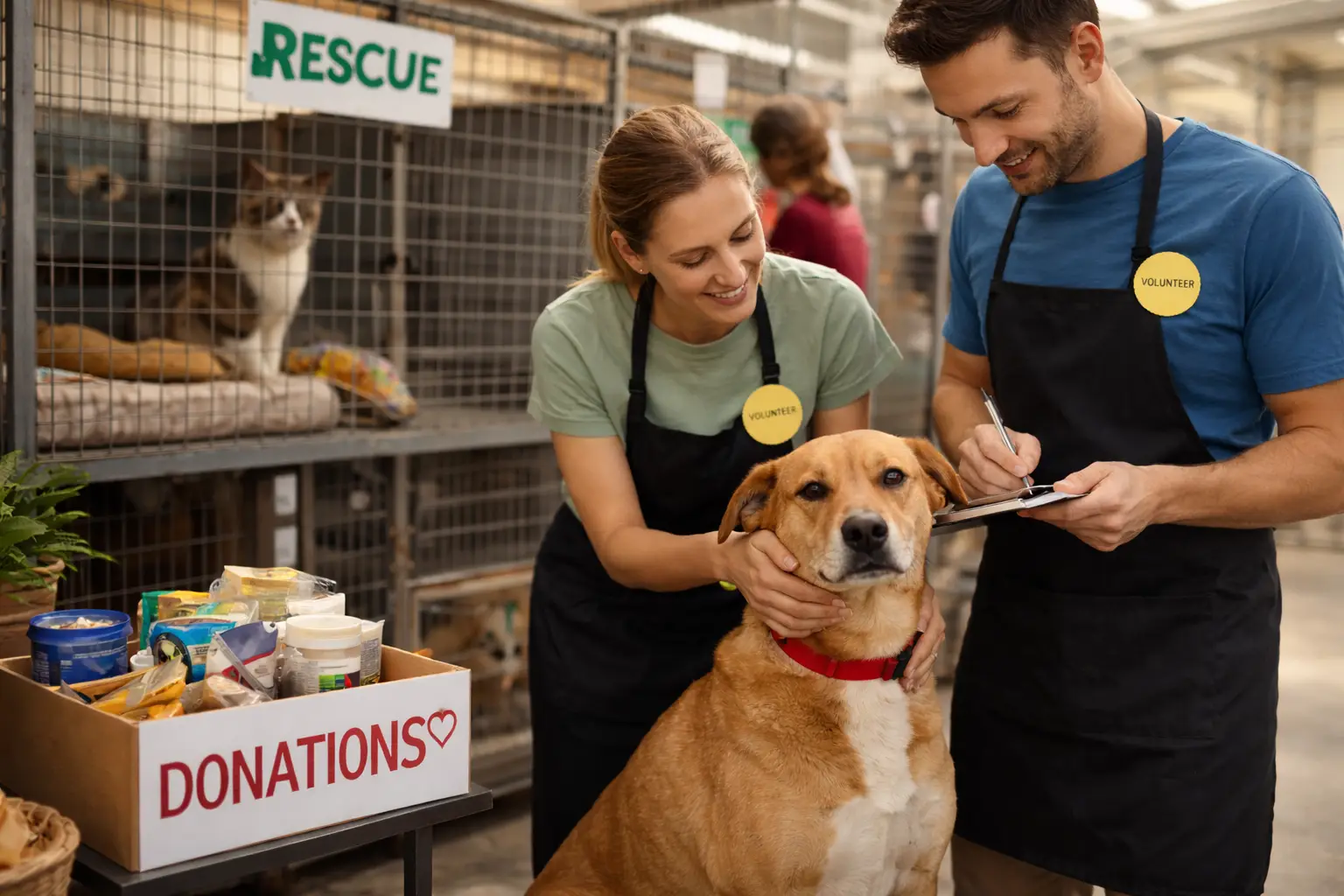
Volunteer help is valuable even for people who cannot adopt or foster. Shelters often need dog walkers, cat socializers, drivers, photographers, event helpers, donation sorters, phone support, and people who can write accurate adoption profiles. Reliable, recurring assistance is often more useful than a one-time promise.
Simple Ways to Help
- Walk dogs or spend calm time socializing cats.
- Drive animals to veterinary appointments or foster homes.
- Take clear photos that help adoption listings stand out.
- Share accurate, shelter-approved adoption information online.
- Organize a food, bedding, or supply drive for a local organization.
Responsible Sharing on Social Media
Posts about adoptable animals should use accurate information approved by the shelter. Include the animal’s name, location, current status, known needs, and the correct contact method. Avoid guessing about breed, medical history, or behavior. A clear photo and a concise, honest description can help the right person take the next step.
A Simple Community Action Plan
- Learn: Ask a nearby shelter which needs are most urgent.
- Choose: Pick one realistic action, such as volunteering, fostering, or donating.
- Prepare: Review your time, space, budget, and household needs.
- Connect: Share reliable pet-care resources with neighbors and local groups.
- Follow through: Keep the commitment manageable enough to maintain over time.
Conclusion
Creating lasting homes for animals requires consistent support and cooperation from many people, organizations, and communities. While adoption is an important part of animal welfare, it is only one piece of a larger effort to protect vulnerable pets and improve their quality of life. Fostering provides temporary care for animals awaiting permanent homes, while accessible veterinary services help address medical needs and prevent treatable conditions from worsening. Pet-retention programs can also support owners facing financial difficulties, housing challenges, or other circumstances that might otherwise lead to surrender. Thoughtful planning, responsible adoption practices, and dependable volunteers help shelters manage their resources and provide more individualized attention to each animal. Even small contributions can make a meaningful difference, whether through preparing to adopt, offering a temporary foster stay, sharing information about an available pet, arranging a timely referral, or donating essential supplies. When these efforts work together, animals have a better opportunity to receive proper care, experience greater stability, and find safe, permanent homes where they can feel secure and wanted.
