

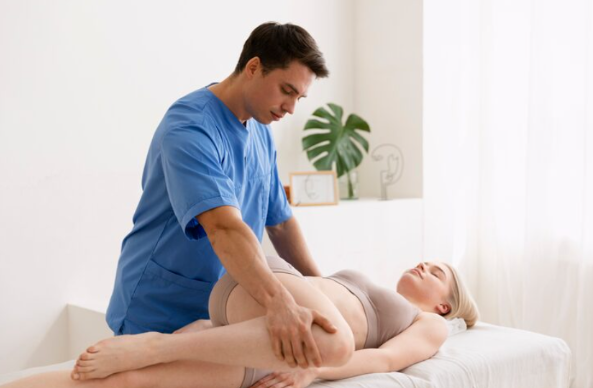
Pregnancy can bring many physical and emotional changes. An expectant mother may experience back discomfort, tiredness, muscle tension, swelling, poor sleep, or increased stress. Prenatal massage is a specialised form of massage designed to support comfort during this period when provided by a suitably trained practitioner.
Understanding Prenatal Massage
Prenatal massage is designed around the changing needs of the pregnant body. Unlike a standard massage, it takes pregnancy-related changes into account and uses suitable pressure, techniques, positioning, and support. The aim is to encourage relaxation while easing muscular tension.
A prenatal massage session should be adapted to the stage of pregnancy and the individual’s comfort. A qualified therapist may ask about current discomfort and health considerations before treatment. Communication during the session is important as comfort can change during pregnancy.
Supporting Physical Comfort
One main reason expectant mothers consider prenatal massage is to manage muscular discomfort. Changes in posture and body weight can place additional pressure on the lower back, hips, shoulders, and legs. Gentle massage may help relax tense muscles and provide temporary relief.
The therapist may focus on areas that feel tight. Treatment should not be painful, and uncomfortable pressure should be reported immediately.
Managing Back and Hip Tension
Back and hip discomfort can become more noticeable as pregnancy progresses. The growing abdomen can alter posture, while changes in daily movement may cause certain muscles to work harder. Prenatal massage can help loosen areas of tension around the back, hips, and surrounding muscles.
Gentle treatment may improve physical comfort. However, massage is intended to support comfort rather than replace medical assessment. Persistent, severe, or unusual pain should be discussed with a healthcare professional.
Easing Swelling and Supporting Circulation
Mild swelling of the feet, ankles, and legs can occur during pregnancy. Gentle massage may support relaxation and circulation, helping an expectant mother feel more comfortable. Some approaches also use light movements intended to encourage fluid movement.
Swelling should not automatically be treated as a routine pregnancy symptom. Sudden or significant swelling, particularly when accompanied by other concerning symptoms, should be assessed by a healthcare professional. Unusual swelling requires medical advice rather than massage.
Promoting Relaxation and Better Sleep
Pregnancy can make it harder to relax at the end of a busy day. Physical discomfort, changing routines, and pregnancy-related worries may affect sleep. A calm session may help reduce muscle tension and promote relaxation.
Feeling more relaxed before bedtime may support better sleep for some people. Although massage cannot guarantee better sleep, time to rest can be valuable during pregnancy.
Supporting Emotional Well-Being
Pregnancy can also affect mood, stress levels, and energy. A comfortable massage environment can provide time away from everyday demands and encourage a sense of calm.
The relaxing nature of massage may help some expectant mothers manage everyday stress. Prenatal massage is supportive self-care, not treatment for mental health concerns. Persistent distress should be discussed with a professional.
Choosing a Qualified Practitioner
For expectant mothers considering prenatal massage in Singapore at https://derama.sg/sub/prenatal-massage.php, choosing an appropriately trained practitioner is an important part of a positive massage experience. The therapist should understand pregnancy-related changes and know how to adapt massage techniques. They should discuss health considerations and adjust treatment accordingly.

Before booking a session, expectant mothers should ask whether the practitioner has specific prenatal massage training or experience. A healthcare provider can also advise whether massage is appropriate.
Comfortable Positioning During Treatment
Positioning plays an important role in prenatal massage. As pregnancy progresses, lying flat in certain positions for extended periods may become uncomfortable. A therapist may use a supported side-lying position.
Positioning should depend on pregnancy stage and comfort. The mother should feel supported and report pressure, dizziness, discomfort, or breathing difficulties.
Timing and Frequency
There is no single schedule that suits every expectant mother. Timing and frequency depend on pregnancy stage, comfort, health circumstances, and professional advice.
Some people prefer occasional sessions, while others prefer regular relaxation. Each appointment should be based on current needs rather than a fixed routine.
Important Safety Considerations
Prenatal massage can be suitable for many pregnant women, but it is not appropriate in every situation. Anyone with pregnancy complications, significant medical concerns, unusual pain, bleeding, severe swelling, fever, or other worrying symptoms should seek medical advice before receiving massage.
A practitioner should avoid areas, techniques, pressures, or positions that may be inappropriate for the individual. Open communication can help create a safer experience.
Understanding Common Concerns
Some expectant mothers may worry that massage could affect labour or harm the baby. These concerns are understandable, but suitability depends on the individual’s pregnancy, the therapist’s training, and the techniques used. Medical guidance and an experienced practitioner are important.
Massage should not be presented as a way to trigger labour or manage pregnancy complications. Its purpose is to support relaxation and comfort.
Making Prenatal Massage Part of Self-Care
Prenatal massage can work alongside other healthy habits during pregnancy. Gentle movement, sufficient rest, comfortable positioning, hydration, and regular healthcare appointments can all contribute to general well-being. Massage provides time to slow down and notice areas of tension.
The experience should focus on comfort. Gentle treatment may be enough to help someone feel calmer and more at ease.
A Comfortable Approach to Pregnancy Care
Prenatal massage can support expectant mothers dealing with muscle tension, back and hip discomfort, tiredness, stress, and the physical demands of pregnancy. Treatment should be tailored to individual needs and carried out by a suitably trained professional.
Most importantly, prenatal massage should complement, rather than replace, prenatal healthcare. With suitable guidance, comfortable positioning, clear communication, and careful techniques, it can become a helpful part of a broader approach to relaxation and personal comfort during pregnancy.
