

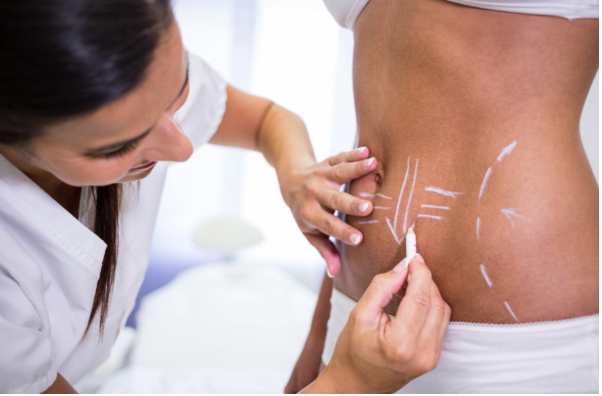
Tummy tuck abdominoplasty is a surgical procedure designed to remove excess skin and fat from the abdominal area while addressing certain changes in the abdominal wall.
It is different from weight-loss surgery and is not intended to replace a healthy diet or exercise routine. People consider abdominoplasty for different reasons, including changes following significant weight loss, pregnancy, or natural changes in the abdominal area.
Understanding what the procedure involves, what recovery requires,s and what factors affect suitability can help you approach a consultation with realistic expectations.
For those exploring the procedure, tummy tuck abdominoplasty surgery at Argent Plastic Surgery can be discussed with a qualified plastic surgeon to determine whether it is appropriate for their individual circumstances.
What Is Tummy Tuck Abdominoplasty?
Abdominoplasty, commonly known as a tummy tuck, is a form of body-contouring surgery.
During the procedure, a surgeon removes selected excess skin and fat from the abdomen. Depending on the patient’s anatomy and surgical plan, the abdominal muscles or connective tissues can also be tightened or repaired.
The procedure does not treat every abdominal concern. It is primarily intended to address excess skin and certain changes in the abdominal wall.
The surgical technique varies according to factors such as the amount of excess skin, its location, and the patient’s overall anatomy.
Why Do People Consider Abdominoplasty?
Significant weight loss can leave excess skin around the abdomen. Pregnancy can also stretch the abdominal skin and abdominal wall.
Ageing and changes in body weight can contribute to changes in skin elasticity as well.
In some cases, diet and exercise improve abdominal strength and body composition but do not remove substantial amounts of loose skin.
What Happens During a Tummy Tuck?
Abdominoplasty is performed under anaesthesia, with the specific approach determined by the surgeon and patient.
An incision is typically made across the lower abdomen. The surgeon then separates the abdominal skin from the underlying tissues and removes an appropriate amount of excess skin.
Where required, the abdominal wall can be repaired or tightened. The remaining skin is repositioned, and the incision is closed.
The position and length of the incision depend on the surgical technique and the patient’s anatomy.
Different Types of Abdominoplasty
There is more than one type of tummy tuck.
A full abdominoplasty generally addresses a larger area of the abdomen and involves more extensive removal of excess skin.
A mini abdominoplasty focuses primarily on the lower abdomen and is generally considered when the amount of excess skin is more limited.
Other variations and combined procedures exist, but the appropriate technique depends on the patient’s anatomy and surgical goals.
A surgeon should explain which approach is being considered and why.
What Happens During the Consultation?
The consultation is an important part of the process.
The surgeon reviews your medical history, previous operations, medications, and general health. The abdominal area is examined to assess skin quality, excess tissue, and the condition of the abdominal wall.
Your expectations and reasons for considering surgery are also discussed.
If you are considering significant weight loss, pregnancy, or other major changes in the future, these plans are relevant because they can affect the long-term result.
The surgeon should also explain the proposed incision, recovery period, possible complications, and expected limitations.
Who Might Be Suitable for a Tummy Tuck?
Suitability depends on individual circumstances rather than a particular body shape or weight alone.
Generally, the surgeon considers overall health, weight stability, skin quality, abdominal anatomy, previous surgery, and other factors that can affect healing.
Smoking can increase surgical risks and interfere with wound healing. Your surgeon will discuss smoking and other lifestyle factors before surgery.
People planning significant future weight loss or pregnancy might be advised to postpone surgery because further changes can alter the result.
A qualified plastic surgeon needs to assess your circumstances before determining whether abdominoplasty is appropriate.
What Is Recovery Like?
Recovery after abdominoplasty takes time because the procedure involves surgery on the abdominal tissues.
Pain, swelling, bruising, and tightness are common during the early recovery period. Your surgeon will provide instructions for pain relief, wound care, and physical activity.
Walking is often encouraged early in recovery, while strenuous activity and heavy lifting are restricted for a period.
The exact recovery timeline varies according to the extent of surgery and individual healing.
When Can You Return to Work?
The timing depends on the type of work you do and how extensive the surgery was.
Someone with a desk-based role might return to work sooner than someone whose job involves lifting, prolonged standing, or physical activity.
Your surgeon will advise when you are ready to resume specific activities.
Trying to return to strenuous work too quickly can interfere with recovery, so following the recommended restrictions is important.
When Can You Exercise Again?
Exercise usually needs to be reintroduced gradually.
Walking is often encouraged during early recovery because movement can support general mobility. More demanding activities are normally restricted until the tissues have healed sufficiently.
Heavy lifting and exercises that place significant strain on the abdominal area require particular caution.
Your surgeon should provide individual guidance on when different forms of exercise can resume.
What Are the Risks?
Like all major surgical procedures, abdominoplasty has potential risks.
Possible complications include bleeding, infection, fluid accumulation, wound-healing problems, changes in sensation, and scarring. Blood clots and other serious complications can also occur.
The likelihood of complications varies between patients and depends on factors such as the extent of surgery and overall health.
Your surgeon should discuss the risks before you decide whether to proceed.
What Happens to the Scar?
A tummy tuck leaves a permanent surgical scar.
The incision is usually positioned low on the abdomen where possible, although the exact position varies between patients.
Scars often change in appearance as they mature. Their final appearance depends on factors such as genetics, skin characteristics, surgical technique, and healing.
Your surgeon will explain the expected scar location and discuss appropriate scar care during recovery.
Does a Tummy Tuck Remove Belly Fat?
Abdominoplasty can involve removal of some excess fat along with skin, but it is not primarily a weight-loss procedure.
The amount of tissue removed depends on the patient’s anatomy and surgical plan.
If the main concern is localised fat without significant loose skin, another treatment approach might be more appropriate.
A consultation helps determine which procedure, if any, matches the concern being addressed.
Can Abdominoplasty Repair Separated Abdominal Muscles?
Pregnancy and other changes can contribute to separation or stretching of the abdominal muscles and connective tissues.
In selected patients, abdominoplasty can involve repair or tightening of the abdominal wall.
This is not required in every tummy tuck. The need for repair depends on the patient’s anatomy and the surgeon’s assessment.
It is important to distinguish abdominal wall repair from cosmetic changes to the skin and fat because they address different aspects of the abdomen.
What Should You Consider Before Surgery?
A tummy tuck is a significant surgical procedure, so expectations should be discussed carefully.
Consider how much excess skin you have, whether your weight is stable, and whether you are planning pregnancy or significant weight loss.
You should also understand the expected scar, recovery period, activity restrictions, and potential complications.
Conclusion
Tummy tuck abdominoplasty is a surgical procedure used to address excess abdominal skin and, in selected cases, changes involving the abdominal wall. It is not a substitute for weight-loss treatment and does not prevent future changes in body shape.
Recovery involves temporary swelling, discomfort, and restrictions on strenuous activity. The procedure also leaves a permanent scar and carries potential surgical risks.
