

Major Home Systems That Require Regular Upkeep
Maintaining the structural integrity and operational efficiency of our homes hinges on the consistent care of several critical systems. These systems are the backbone of comfort, safety, and functionality, and neglecting them can lead to significant financial burdens and potential hazards. Let’s delve into the core components that demand our regular attention.
HVAC Systems: The Lungs of Your Home
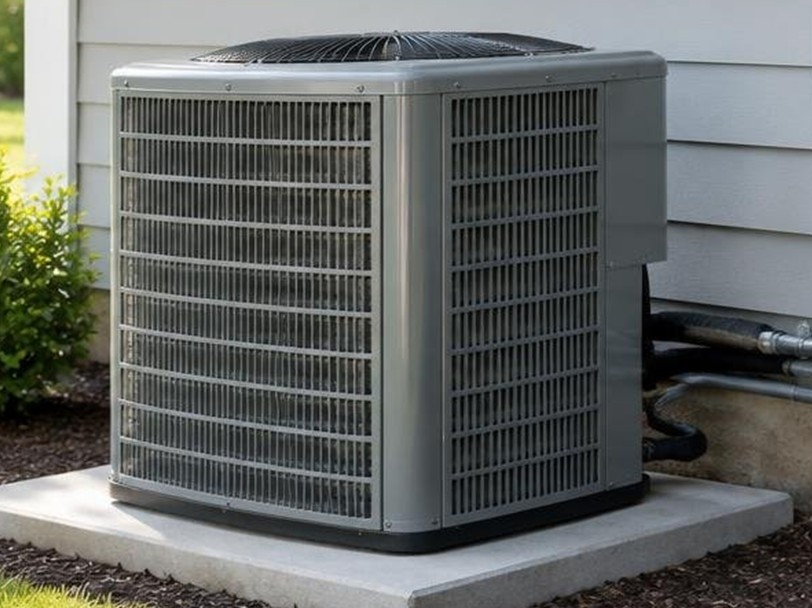
Our heating, ventilation, and air conditioning (HVAC) systems are vital for maintaining comfortable indoor temperatures and ensuring good indoor air quality. These complex systems, encompassing furnaces, air conditioners, heat pumps, and ductwork, require consistent care to function efficiently. Regular maintenance helps prevent breakdowns, reduces energy consumption, and extends the lifespan of expensive components.
A fundamental task is the routine replacement of air filters. Depending on usage, household pets, and allergy concerns, filters should be changed every one to three months. This simple act significantly improves air quality by trapping dust, allergens, and pollutants, while also allowing the system to breathe freely, preventing strain and improving cooling and heating efficiency. Beyond filters, the ductwork should be inspected for leaks and sealed as necessary to prevent energy loss. Annual professional tune-ups are also crucial. These inspections involve checking refrigerant levels, cleaning coils, calibrating thermostats, and inspecting electrical connections, ensuring your system is ready for seasonal demands. For complex issues or when your system requires more than just basic care, seeking expert HVAC repair from trusted professionals can prevent minor issues from escalating into major, costly failures.
Plumbing Infrastructure: Your Home’s Circulatory System
The plumbing system delivers fresh water and removes waste, a constant, often unnoticed, service. From faucets and toilets to water heaters and drain lines, every component plays a role. Leaks, clogs, and inefficient water heating can lead to significant problems, including water damage, mold growth, and inflated utility bills.
Key maintenance tasks include regularly checking for leaks under sinks and around toilets, inspecting drain traps for clogs, and ensuring proper water pressure. A crucial task is flushing your water heater annually. This process removes sediment buildup that can reduce heating efficiency and shorten the unit’s lifespan. For homes with sump pumps, regular testing is essential, especially before rainy seasons, to prevent basement flooding. While some plumbing tasks are suitable for DIY, complex issues or major installations often benefit from professional expertise. For comprehensive solutions, including commercial electrical and plumbing services that often overlap in system maintenance, consulting a specialist ensures safety and compliance.
Electrical Systems: Powering Your Life Safely
Electricity powers our modern lives, but a poorly maintained electrical system can pose serious safety risks, including fire and shock hazards. Our electrical panels, wiring, outlets, and safety devices all require attention.
Monthly testing of ground-fault circuit interrupter (GFCI) outlets, found in kitchens, bathrooms, and outdoor areas, is critical to ensure they trip when detecting current imbalances, preventing severe shocks. Similarly, smoke and carbon monoxide detectors should be tested monthly, and their batteries replaced annually (or as recommended by the manufacturer), to ensure they are ready to alert us in an emergency. We should also inspect electrical cords for fraying or damage and avoid overloading circuits. For any concerns related to your home’s wiring, circuit breakers, or outlet functionality, it’s always best to consult a qualified electrician.
Appliances: Everyday Workhorses
Our household appliances, from the refrigerator to the dishwasher, contribute significantly to our daily convenience. Regular maintenance keeps them running efficiently and extends their service life.
One of the most important appliance maintenance tasks is regularly cleaning dryer vents. Lint buildup is a common cause of house fires, making this a critical safety measure. Refrigerator coils should be vacuumed quarterly to ensure efficient cooling, and dishwasher filters should be cleaned regularly to prevent clogs and ensure proper washing. When an appliance starts acting up, making strange noises, or not performing as expected, it’s often a sign that professional attention is needed. For issues beyond basic cleaning or troubleshooting, reliable appliance repair services can diagnose and fix problems, preventing the need for costly replacements.
Creating a Year-Round Home Systems Maintenance Schedule
Proactive planning is the cornerstone of effective home systems maintenance. Instead of reacting to emergencies, we can adopt a routine of inspections and upkeep that aligns with component lifespans and manufacturer guidelines. This approach not only saves money but also ensures our home remains a safe and comfortable haven throughout the year. Establishing a comprehensive schedule helps us stay organized and tackle tasks systematically, preventing overwhelm and missed opportunities for maintenance.
Monthly and Quarterly Upkeep Routines
Many critical maintenance tasks are quick and easy to perform, making them ideal for monthly or quarterly routines. These frequent checks often focus on safety, efficiency, and preventing minor issues from escalating.
Monthly Tasks (October 2026):
- HVAC Air Filters: Check and replace if dirty. A clean filter is vital for air quality and system efficiency.
- Smoke and Carbon Monoxide Detectors: Test units and replace batteries as needed. These devices are our first line of defense against unseen dangers.
- GFCI Outlets: Test all ground-fault circuit interrupter outlets by pressing the “test” button, then “reset.”
- Drain Inspection: Inspect all drains for slow drainage or unusual odors, and clear minor clogs proactively.
- Range Hood Filters: Clean or replace filters to maintain ventilation efficiency in the kitchen.
- Garbage Disposal: Run with ice and citrus peels to clean blades and freshen the drain.
- Water Softener: Check salt levels and refill if necessary.
Quarterly Tasks (October 2026):
- Fire Extinguishers: Check pressure gauges to ensure they are in the green zone and ready for use.
- Water Heater T&P Valve: Test the temperature and pressure relief valve to ensure it’s not seized.
- Garage Door Safety Reverse: Test the safety mechanisms by placing an object under the door to ensure it reverses upon contact.
- Aerators: Clean aerators on faucets to remove mineral buildup and maintain good water flow.
- Refrigerator Coils: Vacuum the condenser coils to improve efficiency and extend the life of the appliance.
Seasonal Checklist for Home Systems Maintenance
As the seasons change, so do the demands on our home systems. A seasonal approach to maintenance helps us prepare for upcoming weather challenges and capitalize on optimal times for certain tasks.
Spring (March – May 2027):
- HVAC System: Schedule a professional AC tune-up to ensure it’s ready for summer.
- Gutters and Downspouts: Clean out debris accumulated over winter to ensure proper drainage and prevent foundation damage.
- Exterior Inspection: Inspect the roof for missing or damaged shingles, check siding for cracks, and examine windows and doors for drafts.
- Plumbing Checks: Turn on outdoor faucets and inspect for leaks after winter. Test sprinkler systems.
- Attic Ventilation: Ensure attic vents are clear to prevent moisture buildup and heat accumulation.
Summer (June – August 2027):
- Basement/Crawl Space: Inspect for moisture, leaks, or signs of pests. Consider running a dehumidifier.
- Exterior Maintenance: This is a good time for exterior painting, deck repairs, and fence maintenance.
- Tree Trimming: Trim branches away from the roof and power lines to prevent damage during storms.
- Appliance Check: Clean refrigerator coils and dryer vents thoroughly.
Fall (September – November 2026):
- HVAC System: Schedule a professional furnace tune-up to prepare for colder weather.
- Gutters and Downspouts: Clean again after leaves fall to prevent clogs and ice dams.
- Winterization: Insulate exposed pipes in unheated areas. Shut off and drain outdoor hose bibs to prevent freezing.
- Weatherproofing: Check and repair weatherstripping around doors and windows. Inspect and seal any foundation cracks.
- Sump Pump: Test the sump pump to ensure it’s operational before heavy fall rains.
Winter (December 2026 – February 2027):
- Heating System: Monitor furnace performance and ensure vents are unobstructed.
- Pipe Protection: Keep cabinet doors open under sinks on exterior walls to allow warm air to circulate.
- Ice Dam Prevention: Ensure gutters are clear and insulation is adequate in the attic to prevent ice dams.
- Interior Focus: This is an ideal time for indoor projects, deep cleaning, and checking less-used spaces like attics for signs of pests or leaks.
Here’s a comparison of maintenance frequency by system and task:
System/Component Task Monthly Quarterly Annually Every 3-5 Years HVAC Filter Replacement X Professional Tune-up X (x2) Vent/Duct Cleaning X Plumbing Leak Check X Drain Inspection/Clean X Water Heater Flush X Sump Pump Test X T&P Valve Test X Electrical Smoke/CO Detector Test X GFCI Outlet Test X Electrical Cord Inspect X Breaker Panel Inspect X Appliances Dryer Vent Clean X Refrigerator Coil Vacuum X Dishwasher Filter Clean X Exterior/Safety Fire Extinguisher Check X Gutter Cleaning X (x2) Roof/Siding Inspection X Window/Door Weatherstrip X Foundation Check X Garage Door Safety Test X Warning Signs of Wear and Failing Equipment
Our homes often communicate their needs through subtle, and sometimes not-so-subtle, cues. Learning to recognize these warning signs can empower us to address issues before they escalate into costly repairs or dangerous situations. Being attuned to visual indicators, abnormal sounds, and changes in utility bills can save us significant stress and expense.
Visual Indicators:
- Water Stains: Discoloration on ceilings, walls, or under sinks often points to plumbing leaks or roof issues. Even a small stain can signify a larger, hidden problem.
- Flickering Lights or Tripping Breakers: These are classic signs of electrical system strain or faulty wiring. Never ignore persistent electrical issues.
- Cracked or Peeling Caulk/Sealant: Around windows, doors, or in bathrooms, this can indicate moisture intrusion or air leaks.
- Sagging Roof or Missing Shingles: Visible damage to the roof means it’s compromised and susceptible to leaks.
- Efflorescence: A white, powdery residue on masonry walls (especially in basements) indicates moisture seeping through.
- Rust or Corrosion: On pipes, water heaters, or appliance connections, this suggests leaks or impending failure.
Abnormal Sounds:
- HVAC System: Squealing, grinding, or banging noises from your furnace or AC unit often signal issues with motors, bearings, or fan components. “Short cycling” (turning on and off frequently) indicates inefficiency or a problem.
- Plumbing: Gurgling drains, dripping sounds, or the constant sound of running water when no fixtures are in use can indicate clogs, leaks, or a running toilet.
- Water Heater: A rumbling or popping sound often means sediment buildup inside the tank.
- Appliances: Unusual noises from a refrigerator, dishwasher, or washing machine can point to failing parts or motor issues.
Odd Odors:
- Burning Smell: From electrical outlets, appliances, or the HVAC system, this is a serious warning sign of an electrical fire hazard and requires immediate attention.
- Musty or Moldy Smell: Especially in basements, bathrooms, or near windows, this indicates excessive moisture and potential mold growth.
- Sewer Gas Odor: In bathrooms or near drains, this can mean a dry drain trap, a cracked sewer pipe, or a ventilation issue.
Utility Spikes and Performance Changes:
- Unexplained High Utility Bills: A sudden increase in energy or water consumption without a change in usage patterns often points to an inefficient HVAC system, a hidden water leak, or failing insulation.
- Reduced Airflow or Uneven Heating/Cooling: Your HVAC system might be struggling due to dirty filters, duct leaks, or a failing component.
- Slow Drainage: Sinks, tubs, or toilets that drain slowly are indicative of clogs forming in the pipes.
- Ice Dams: Accumulations of ice at the edge of your roof indicate poor attic insulation and ventilation, which can lead to water damage.
By paying attention to these cues, we can often intervene early, preventing small problems from becoming major headaches and ensuring the long-term health of our home systems.
Practical Tools and Best Practices to Track Upkeep
Managing home systems maintenance doesn’t have to be a daunting task. In October 2026, a wealth of practical tools and best practices are available to help us track upkeep, organize information, and ensure nothing falls through the cracks. Moving beyond traditional paper checklists, digital solutions offer unparalleled convenience and efficiency.
Digital Logs and Apps: Modern technology provides sophisticated ways to manage home maintenance. Apps like HomeBeacon, Haven, Upkeeply, Abodio, and Keepivo offer features such as:
- Automated Reminders: Receive notifications for upcoming tasks based on industry best practices and your home’s specific systems.
- Personalized Schedules: AI-powered platforms can create tailored maintenance calendars based on your home’s age, systems, climate zone, and appliances.
- Document Vaults: Store manuals, receipts, warranties, and service records digitally, linked directly to each piece of equipment. This ensures you have crucial information readily available for repairs or insurance claims.
- Parts Tracking: Some apps allow you to track exact part numbers for filters or components, making reordering simple.
- Home Health Scores: Visual dashboards can provide an overview of your home’s maintenance status, helping you prioritize.
- Photo Documentation: Easily snap photos of equipment labels to auto-populate model details and retrieve manuals.
- Shared Calendars: For households with multiple members, shared task lists and assignees can streamline coordination.
Photo Documentation: Beyond apps, simply taking photos before and after maintenance tasks or of any issues you discover can be incredibly valuable. These images serve as a visual log, useful for tracking progress, explaining problems to professionals, or for insurance purposes.
Home Inventory: Keeping an up-to-date home inventory, including major systems and appliances, is crucial for insurance coverage and future planning. Digital tools can help catalog items, along with purchase dates, costs, and warranty information.
Repair Budgeting: Proactive maintenance allows for better financial planning. By knowing what tasks are coming up, we can set aside funds, avoiding the shock of unexpected major repairs. Many apps can even provide estimated costs for common maintenance tasks.
DIY vs. Professional Home Systems Maintenance
A common question homeowners face is when to tackle a task ourselves and when to call in a professional. While DIY can save money, it’s crucial to understand the skill boundaries and potential safety hazards involved.
When to DIY:
- Low-Risk Tasks: Changing HVAC filters, testing smoke detectors, cleaning dryer vents, flushing water heaters, cleaning drains, and testing GFCI outlets are generally safe and manageable for most homeowners.
- Basic Inspections: Visual checks for leaks, cracks, and general wear and tear can be done by anyone.
- Manufacturer Guidelines: Always consult appliance manuals; some basic maintenance is outlined for homeowners.
When to Call a Professional:
- Safety Hazards: Tasks involving high-voltage electrical systems, gas lines, or refrigerant handling should always be left to certified professionals. Incorrect handling can lead to severe injury, fire, or explosions.
- Specialized Knowledge/Tools: Complex diagnostics, repairs requiring specialized tools (e.g., HVAC refrigerant gauges, plumbing pipe cutters), or intricate system adjustments are best handled by experts.
- Annual Inspections: Professional HVAC tune-ups, comprehensive plumbing inspections, and electrical system checks can identify hidden issues and ensure optimal performance and safety.
- Municipal Permits: Some repairs or installations require permits and inspections by local authorities. Professionals are typically well-versed in these regulations.
- Warranty Protection: Attempting complex DIY repairs on systems under warranty might void the warranty.
- Diagnostic Accuracy: Professionals have the training and experience to accurately diagnose problems, preventing missteps that could lead to further damage or expense. For instance, while we might notice a leak, a plumber can identify its source and the most effective repair.
The decision balances cost savings with safety, expertise, and potential long-term consequences. When in doubt, consulting a professional is always the safest and often most cost-effective choice in the long run.
Frequently Asked Questions
How much money does preventative upkeep save annually?
The financial benefits of preventative home systems maintenance are substantial. While it requires an upfront investment of time and sometimes money for professional services, it acts as an insurance policy against much larger, unexpected expenses. Proactive homeowners often save thousands of dollars annually compared to those who only react to emergencies.
Firstly, regular maintenance significantly improves energy efficiency. For example, replacing dirty HVAC filters every 1-3 months can reduce energy consumption by 5-15%, directly lowering your monthly utility bills. Flushing your water heater annually removes sediment, ensuring it heats water more efficiently, thus saving on energy costs. Secondly, it prevents costly emergency repairs. A neglected furnace filter can lead to a strained motor and a $4,000 furnace replacement, whereas regular filter changes cost minimal. Detecting and fixing a small plumbing leak early can prevent extensive water damage and mold remediation, which can easily run into thousands of dollars. Studies show that proactive maintenance can reduce emergency repair costs by up to 30%. Thirdly, it extends the lifespan of major systems. An HVAC system that receives annual tune-ups will generally last longer than one that doesn’t, delaying the need for a $5,000-$10,000 replacement. By postponing these major capital expenditures, we create significant savings over the lifetime of homeownership. Overall, homeowners who implement a consistent maintenance schedule can save upwards of $3,000 annually by avoiding emergency repairs, reducing operating expenses, and extending asset life.
How often should HVAC filters and water heaters be serviced?
For optimal performance, efficiency, and indoor air quality, HVAC filters should typically be checked monthly and replaced every 1 to 3 months. This frequency can vary based on several factors:
- Filter Type: Higher MERV (Minimum Efficiency Reporting Value) filters can sometimes last longer but also restrict airflow more if not changed regularly.
- Household Occupancy: Homes with more residents tend to accumulate dust faster.
- Pets: Animal dander and fur clog filters quickly, necessitating more frequent changes (often monthly).
- Allergies/Asthma: If anyone in the home suffers from allergies or respiratory issues, more frequent filter changes improve air quality.
- Construction/Renovation: During periods of high dust, filters may need weekly checks.
Beyond filter changes, an HVAC system benefits from professional servicing twice a year – once in the spring for the cooling system and once in the fall for the heating system. These tune-ups ensure all components are clean, calibrated, and functioning correctly, maximizing efficiency and preventing breakdowns.
Regarding water heaters, the most crucial maintenance task is flushing the tank annually. This process removes sediment buildup at the bottom of the tank, which can:
- Reduce heating efficiency, leading to higher energy bills.
- Corrode the tank liner, shortening its lifespan.
- Cause rumbling or popping noises.
Additionally, the anode rod inside the water heater, designed to attract corrosive elements, should be inspected every few years and replaced when significantly depleted. Testing the temperature and pressure relief (T&P) valve annually also ensures it’s working properly to prevent dangerous pressure buildups.
What are the biggest safety hazards associated with deferred upkeep?
Neglecting home systems maintenance can lead to a range of significant safety hazards, some of which can be life-threatening. Proactive care is not just about saving money; it’s fundamentally about protecting lives and property.
- Electrical Fire Hazards: Overloaded circuits, frayed wiring, or faulty outlets (often due to neglect) are leading causes of house fires. Deferred maintenance can mean unaddressed issues with old aluminum wiring, insufficient circuit breaker capacity, or damaged cords, all of which can overheat and ignite. Malfunctioning GFCI outlets, if not tested and maintained, fail to protect against electric shock.
- Carbon Monoxide (CO) Leaks: Faulty or poorly maintained combustion appliances, such as furnaces, water heaters, and gas dryers, can produce deadly carbon monoxide. If these systems are not regularly inspected and their exhaust vents are blocked or cracked, CO can leak into living spaces. Non-functional carbon monoxide detectors, due to dead batteries or expired units, leave occupants vulnerable to this odorless, colorless gas.
- Dryer Vent Fires: Lint accumulation in dryer vents is a very common and entirely preventable cause of house fires. When lint blocks the exhaust path, the dryer can overheat, igniting the highly flammable lint. Regular cleaning of the dryer vent is a critical safety measure.
- Pipe Bursts and Water Damage: Neglected plumbing can lead to leaks and pipe bursts, especially in winter if pipes are not properly insulated or outdoor hose bibs are not drained. This can cause extensive water damage, structural compromise, and create conditions for dangerous mold growth, which can severely impact respiratory health.
- Structural Integrity Issues: Unaddressed roof leaks or foundation cracks can lead to significant structural damage over time. Water intrusion weakens wooden supports, encourages rot, and can compromise the stability of your home.
- Pest Infestations: Gaps, cracks, and unsealed entry points, often overlooked in deferred maintenance, provide easy access for pests. Rodents and insects can cause damage to wiring, insulation, and transmit diseases.
These hazards underscore why a consistent, comprehensive home systems maintenance routine is not just a recommendation but a necessity for the safety and well-being of everyone in the home.
Conclusion
As we’ve explored, consistent home systems maintenance is far more than a chore; it’s a strategic investment in the long-term value, safety, and comfort of our homes. By adopting a proactive mindset and implementing a year-round schedule, we empower ourselves to prevent costly emergencies, enhance energy efficiency, and extend the lifespan of our critical infrastructure.
From the regular care of our HVAC and plumbing systems to ensuring the safety of our electrical components and appliances, every task contributes to the overall resilience and structural integrity of our property. The tools and resources available in October 2026, from intuitive maintenance apps to professional expertise, make it easier than ever to track upkeep, document history, and make informed decisions about when to DIY and when to call in the experts.
Embracing proactive ownership means safeguarding our biggest asset, protecting our loved ones, and enjoying the peace of mind that comes with a well-maintained home. Let’s commit to this essential practice, ensuring our homes remain safe, efficient, and valuable for years to come.
