

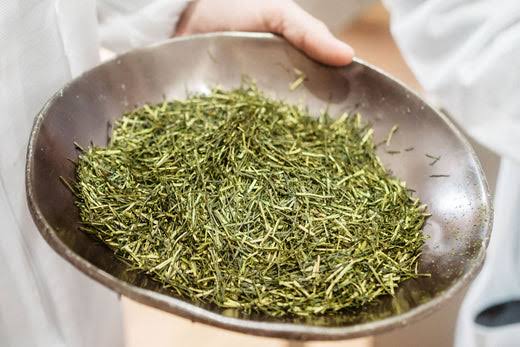
Gyokuro is a distinguished variety of Japanese green tea, celebrated for its exceptional flavour and refined cultivation methods. Recognised as one of the highest grades of Japanese tea, Gyokuro offers an unparalleled sensory experience that reflects centuries of tradition. The tea is cultivated under carefully controlled conditions, which significantly impact its taste and aroma.
The cultivation of Gyokuro involves shading the tea plants for approximately three weeks before harvest. This technique reduces direct sunlight exposure, resulting in increased chlorophyll production and a higher concentration of amino acids, especially theanine. This unique process enhances the tea’s sweetness and umami, creating a delicate yet rich flavour profile.
Connoisseurs of green tea appreciate Gyokuro for its distinct taste and velvety texture. Compared to other Japanese teas such as Sencha, Gyokuro is less astringent and balances a natural sweetness with a subtle savoury depth. The liquor is typically bright green with a fragrant, fresh aroma that captivates tea drinkers.
The History and Cultural Significance of Gyokuro
Gyokuro was first produced in the 19th century and has since become synonymous with luxury and premium quality within the Japanese tea industry. The name ‘Gyokuro’ translates to ‘jade dew,’ evoking the vibrant green colour and precious nature of the tea leaves. Traditionally, Gyokuro was reserved for aristocracy and special occasions due to the complicated cultivation and production process.
Today, Gyokuro remains integral to Japanese tea ceremonies and cultural activities. It embodies the meticulous craftsmanship and respect for nature that are central to Japanese culture. Enthusiasts often select Gyokuro for its esteemed reputation and the skill required to prepare it correctly.
How Gyokuro is Grown and Processed
The shading process is critical to Gyokuro’s unique characteristics. About two to three weeks before harvest, farmers cover the tea bushes with straw or synthetic shades that block 90% of sunlight. This induces the bushes to synthesise more chlorophyll and amino acids while reducing catechin content, which is responsible for bitterness.
After harvesting, the leaves undergo steaming to halt oxidation, preserving the fresh green hue and complex flavours. Subsequently, the leaves are carefully rolled and dried. The rolling technique influences the shape and infusion properties, ensuring that the subtle nuances of Gyokuro are preserved.
Understanding the Flavour Profile of Gyokuro
Gyokuro offers a multi-layered flavour experience. Its signature umami comes from theanine, an amino acid that delivers a savoury, broth-like taste. This is complemented by a gentle sweetness and minimal bitterness, a contrast to many other green teas. The mouthfeel is smooth, and the aftertaste lingers pleasantly.
The delicate balance of flavours makes Gyokuro especially suited for sipping slowly, allowing one to appreciate the changing notes throughout the infusion. Temperature and brewing technique are crucial to unlocking the full potential of this tea.
Preparing Gyokuro Correctly
To fully appreciate Gyokuro’s luxurious taste, brewing requires specific attention. Unlike many teas, Gyokuro is best steeped at a lower temperature, typically between 50 to 60 degrees Celsius. This gentle heat avoids extracting excessive tannins, which would cause bitterness.
Brewing times are also shorter, commonly around two minutes or less depending on preference and leaf quality. High-quality Gyokuro can often be infused multiple times, with each infusion revealing subtle differences in flavour and aroma.
Health Benefits of Gyokuro Tea
Beyond its exquisite taste, Gyokuro tea offers numerous health benefits. Rich in antioxidants, it supports the immune system and promotes cardiovascular health. The high theanine content helps induce relaxation and improve concentration without the jitteriness associated with caffeine.
Furthermore, the antioxidants present aid in combating free radicals and oxidative stress, potentially reducing the risk of chronic diseases. Drinking Gyokuro can thus be both a pleasurable and beneficial ritual.
Gyokuro and Its Place in Modern Japanese Tea Culture
In contemporary Japan, Gyokuro maintains its status as an elite tea variety. It is often gifted during special occasions and is prized by tea enthusiasts globally. The tea’s production remains artisanal, with many producers dedicating significant effort to uphold traditional methods while mildly innovating to meet modern demand.
For those seeking to explore premium Japanese teas, Gyokuro provides an excellent introduction to the depth and complexity of Japan’s tea heritage. Its unique flavour and distinguished profile set it apart within the global tea market.
Where to Purchase High Quality Gyokuro
Consumers interested in purchasing authentic Gyokuro should seek reputable vendors specialising in Japanese teas. High-grade Gyokuro can be found at specialty tea shops, including online platforms that guarantee authenticity and freshness.
Shopping from established sources ensures that the tea has been handled correctly, preserving its prized flavour and health benefits. Enthusiasts looking to expand their collection or gift a premium tea will find Gyokuro presents an exquisite option.
Conclusion
Gyokuro Japanese tea represents a pinnacle of traditional tea cultivation and enjoyment. Its meticulous shading process, distinctive umami flavour, and rich cultural significance make it a sought-after brew among discerning tea drinkers.
Exploring Gyokuro opens a window into the refined world of Japanese tea, combining historic artistry with modern appreciation. For those seeking an exceptional tea experience, Gyokuro offers a perfect harmony of flavour, health benefits, and cultural heritage.
