

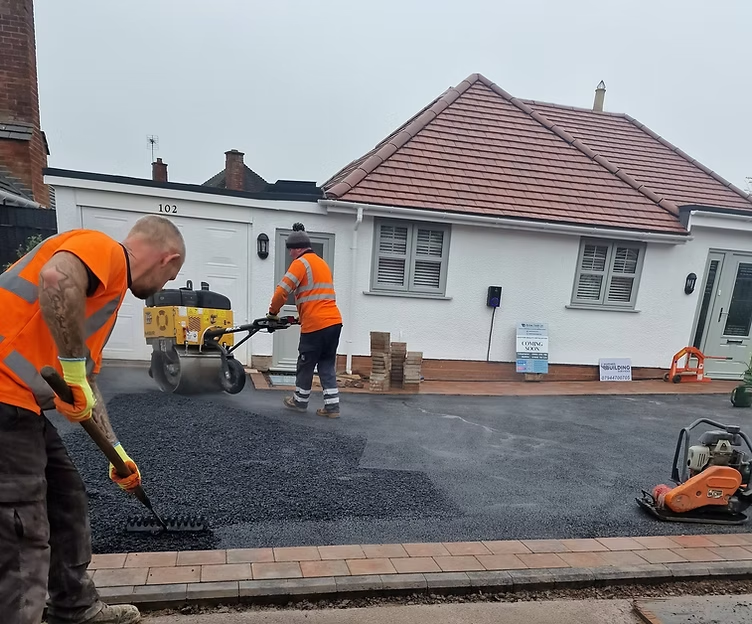
Mention tarmac and many homeowners picture a grim black slab that belongs on a trading estate. It is a shame, because a well laid tarmac driveway is one of the most practical, long lasting and economical choices available. It has simply never been marketed as glamorously as its rivals.
If you are weighing up tarmac driveways in Chesterfield, it is worth separating the reputation from the reality. Done properly, tarmac can look neat, handle British weather, and cost noticeably less than many alternatives.
Why Tarmac Makes Sense
Tarmac is quick to install, often completed in a day or two. It is tough, flexible and copes well with frost, which matters in a part of the country that gets proper winters. It is also relatively straightforward to repair, since patches can be cut out and replaced.
For long driveways, where block paving or resin would be expensive, tarmac gives you a continuous, smooth surface at a sensible price.
The Quality of the Job Is Down to the Layers
A good tarmac drive is built up in stages. First comes excavation and a compacted stone sub-base, then a base course of coarse material, and finally a wearing course, which is the smooth surface you see. Skimping on the depth or compaction leads to cracks and potholes.
Ask what thickness and layers are proposed. Beware the cold caller who offers to “tarmac you over” using leftover material from another job. Poor quality work, laid thinly with no proper base, often fails within a year or two.
Drainage and Falls
Standard tarmac is not permeable, so water runs off the surface. In England, more than five square metres of impermeable material on a front garden normally needs planning permission unless the water is directed to a lawn or border or into a suitable drainage system. A responsible contractor will plan for that, and may suggest porous asphalt or permeable options where needed. Check with the local council if you are unsure.
Chesterfield’s slopes make falls and drainage especially important. Water should be directed away from the house and not allowed to gather at the bottom of the drive.
Edges and Finishes
Tarmac needs firm edges, otherwise the outer areas crumble. Concrete, kerb or block edging keeps the surface tidy and protects the perimeter from damage. These also let you add a neat decorative border.
Plain black is not your only option. Coloured or textured finishes, and decorative chippings rolled into the surface, can transform the appearance and make it less industrial. Pairing tarmac with a block paved border or a resin edge gives a more premium look without paying for those materials across the whole drive.
The First Few Weeks Are Delicate
New tarmac takes time to harden fully, especially in warm weather. Avoid turning your steering wheel while the car is stationary, and keep heavy vehicles off for the period your installer recommends. Marks and indentations in the early stages are normal and tend to settle.
Long Term Care
Over time, tarmac can fade and show small cracks. Sealing the surface every few years protects it from water, oil and sunlight, and keeps the colour deeper. Clear weeds from any cracks promptly before they widen, and repair damage early. Small repairs cost little. Ignored ones grow.
Keep fuel and oil off the surface, since they can soften the material.
Questions Worth Asking
- What depth of sub-base and tarmac will you lay?
- How will drainage be handled?
- What edging is included?
- What guarantee do you give?
- How long before we can drive on it?
Plain Does Not Mean Cheap and Cheerful
Tarmac suits people who want a sturdy, sensible driveway without paying for fashion. Add decent edging, careful drainage and a little imagination with finishes, and it looks much better than its reputation suggests. Just make sure the work beneath the surface is done properly, because that is where tarmac drives succeed or fail.
