

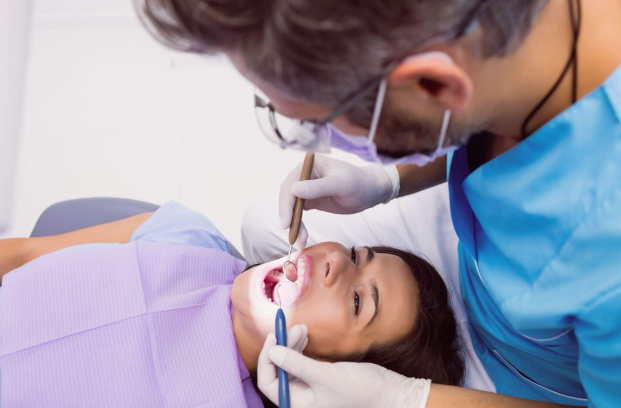
A healthy smile is more than an attractive feature; it is an important part of everyday wellbeing, confidence, communication, and quality of life. From a child’s first dental visit to the restorative needs that may arise later in adulthood, oral health requires attention at every stage. Regular check-ups, timely treatment, good hygiene habits, and professional guidance can help prevent minor concerns from developing into complicated dental problems.
For individuals exploring the best dentistry services in Bangalore, understanding how modern dentistry addresses different needs can make choosing appropriate care easier. Today, dental treatment is no longer limited to treating pain or repairing damaged teeth. Advancements in technology, preventive approaches, restorative procedures, orthodontics, and cosmetic dentistry have created more comprehensive pathways for maintaining and improving oral health.
Prevention: The Foundation of Lifelong Oral Health
Preventive dentistry forms the first line of defence against common oral health concerns. Routine examinations allow dental professionals to identify early signs of cavities, gum problems, enamel wear, and other issues before they become more difficult to manage. Professional cleanings can remove accumulated plaque and tartar that regular brushing may not completely eliminate. Patients can also receive personalised guidance on brushing techniques, flossing, dietary habits, and other daily practices that support healthy teeth and gums.
Dental Care Across Different Stages of Life
Oral health requirements naturally change with age. Children may need monitoring of tooth development, cavity prevention, and guidance regarding oral hygiene. Teenagers may require orthodontic evaluation when alignment or bite concerns become apparent. Adults often balance preventive care with restorative or cosmetic requirements. Dental fillings, crowns, gum treatments, whitening, and orthodontic solutions may become relevant depending on individual circumstances. Older adults may have additional needs involving missing teeth, weakened structures, gum health, or the maintenance of existing dental restorations. This stage-specific approach highlights why dental care should not be viewed as a one-time service. Continuous professional assessment helps ensure that treatment remains aligned with changing oral health requirements.
Restorative Dentistry: Repairing Function and Structure
Tooth decay, accidental damage, infection, and general wear can affect both the appearance and functionality of teeth. Restorative dentistry focuses on addressing these concerns while helping patients retain as much natural tooth structure as possible. Fillings are commonly used to restore teeth affected by decay. When a tooth has suffered greater structural damage, crowns can help protect and strengthen it. Bridges may be considered when one or more missing teeth need replacement, while dental implants can provide a longer-term solution for certain patients with missing teeth.
Orthodontic Solutions for Alignment and Bite Concerns
Straight teeth are not simply a cosmetic consideration. Proper alignment can contribute to easier cleaning, balanced chewing, and healthier oral function. Traditional braces remain an established option, while clear aligners provide an alternative for suitable cases. Modern orthodontic consultations involve evaluating tooth position, jaw relationships, bite patterns, and individual treatment objectives. A personalised approach allows dental professionals to determine which method is appropriate rather than treating every alignment concern in the same way.
Cosmetic Dentistry and Smile Restoration
A smile can influence how people feel about themselves, which is why cosmetic dentistry has become an increasingly important part of comprehensive oral care. Treatments such as teeth whitening, aesthetic restorations, and solutions for visible gaps can help address appearance-related concerns.
However, effective cosmetic treatment should also consider oral health and function. A cosmetic procedure may produce better long-term results when underlying problems such as decay or gum disease are addressed first. This is where a qualified dental clinic specialist can assess the broader condition of the mouth and develop a treatment approach that balances aesthetics, health, and functionality.
Technology Making Dental Treatment More Comfortable
Technology has transformed many aspects of modern dentistry. Advanced diagnostic equipment can support more detailed assessments, while contemporary treatment tools can improve precision and efficiency. Digital imaging, modern dental instruments, improved sterilisation systems, and technology-assisted treatment planning can contribute to a more organised patient experience. In suitable cases, digital workflows can also support restorative and orthodontic procedures.
Comfort has become another important consideration. Dental professionals increasingly focus on explaining procedures, reducing unnecessary discomfort, and creating an environment where patients can ask questions before treatment begins. Clear communication can be particularly valuable for individuals who have previously delayed dental visits because of anxiety.
The Importance of Comprehensive Dental Planning
Treating individual symptoms without considering overall oral health may provide only a temporary solution. A comprehensive assessment can reveal connections between different dental concerns and help establish a more structured treatment plan. For example, a patient experiencing tooth sensitivity may require an evaluation of enamel, gums, brushing habits, existing restorations, and possible decay. Similarly, someone considering cosmetic treatment may first need periodontal care or restorative work. A complete plan can therefore combine preventive, restorative, orthodontic, periodontal, and cosmetic services when necessary. Regular follow-ups then allow progress to be monitored and future concerns to be addressed promptly.
Making Dental Visits Part of Everyday Wellness
Good oral health does not depend entirely on professional treatment. Daily habits remain essential. Brushing twice a day with fluoride toothpaste, cleaning between teeth, limiting excessive sugar consumption, staying hydrated, and attending regular dental examinations can all support healthier teeth and gums. People should also avoid waiting for severe pain before seeking professional advice. Some dental problems may develop without obvious symptoms during their early stages. Periodic examinations provide an opportunity to detect such issues before they become more disruptive.
Conclusion
Modern dentistry has evolved into a broad field that combines prevention, diagnosis, restoration, aesthetics, technology, and patient-focused care. This makes it possible to address oral health needs more comprehensively across childhood, adulthood, and later life. For those seeking reliable support throughout this journey, choosing a provider with a broad range of dental services, experienced professionals, modern facilities, and an emphasis on patient comfort can simplify access to appropriate treatment. Apple International Dental Care reflects this comprehensive approach through a wide selection of dental services, modern treatment facilities, experienced dental professionals, and a focus on accessible oral healthcare across its network.
