

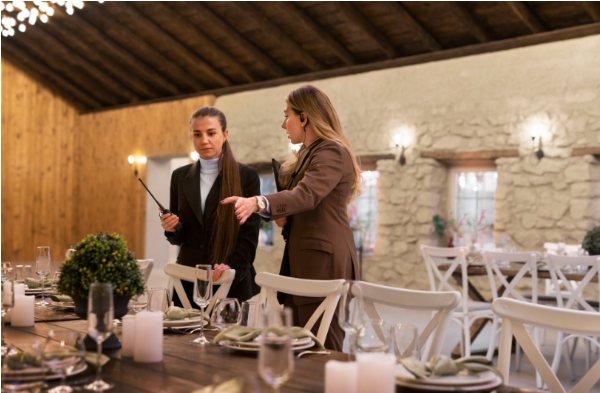
Planning an event can take a lot of time and effort. There are many details to manage, from choosing a suitable venue to arranging suppliers, entertainment, catering, decorations, and guest activities. Even a small mistake can affect the flow of the day. This is why many people and businesses choose to work with an event planner in Singapore who can manage the practical details while keeping the main purpose of the event in focus.
A well-planned event should feel organised without making the guests feel that every moment has been carefully controlled. The right planning approach creates a comfortable balance between structure and flexibility. Whether the event is a corporate gathering, wedding, private celebration, product launch, or community occasion, careful preparation can make the experience easier for everyone involved.
The Role of Event Planners
Event planners are responsible for bringing different parts of an event together. Their work often begins with understanding what the client wants to achieve. This could be creating a relaxed celebration, organising a professional business gathering, or providing an engaging experience for a large group of guests.
Once the main goals are clear, the planner can start working on the practical details. This may include finding a suitable venue, creating a schedule, communicating with suppliers, arranging equipment, planning decorations, and making sure the event space is ready on time.
Communication is an important part of the process. A planner needs to understand the client’s expectations and communicate those requirements clearly to everyone involved. Suppliers, entertainers, caterers, venue teams, decorators, and technical staff may all have different responsibilities. Keeping everyone informed helps prevent confusion and delays.
Creating a Clear Event Plan
A clear plan gives an event a strong foundation. Before making individual arrangements, planners need to understand the size of the event, the number of guests, the available budget, the venue requirements, and the overall atmosphere the client wants to create.
The plan should also consider how guests will move through the event. Registration, seating, food service, entertainment, speeches, activities, and departure arrangements should work together rather than feel like separate parts.
A realistic schedule is particularly useful. It gives suppliers and staff clear expectations and allows everyone to understand when their tasks need to be completed. At the same time, the schedule should leave some flexibility for unexpected changes.
Choosing the Right Venue
The venue can have a major effect on the success of an event. A space that looks suitable may not always work well once practical requirements are considered.
Planners need to think about the size of the venue, seating arrangements, accessibility, parking or transport options, facilities, lighting, sound, power supply, and restrictions on decorations or entertainment.
The layout also matters. Guests should have enough room to move comfortably, while important areas such as registration desks, dining spaces, stages, activity areas, and rest areas should be positioned logically.
For corporate events, the venue may also need suitable presentation equipment and reliable technical facilities. For weddings and private celebrations, the appearance and atmosphere of the space may be more important.
Managing the Event Budget
Budget management is one of the most important parts of event planning. Without proper financial planning, costs can quickly become difficult to control.
A planner can help divide the available budget across different areas of the event. This may include venue hire, catering, entertainment, decorations, equipment, staffing, transport, photography, and technical services.
It is also useful to leave some money available for unexpected expenses. Last-minute changes can happen even when an event has been carefully planned. Having a financial buffer can make it easier to deal with these situations without affecting essential parts of the event.
Good budget management does not always mean choosing the cheapest option. Instead, it means understanding where spending can make the greatest difference to the guest experience.
Designing the Event Experience
The visual design of an event helps establish its atmosphere. Colours, lighting, furniture, decorations, signage, table settings, and stage design can all contribute to the overall appearance.

A strong event design should have a clear purpose. Every decorative element does not need to be large or expensive. Simple details can often create a polished environment when they are used consistently.
The design should also suit the type of event. A formal business conference may require a different approach from a wedding or private celebration. Understanding the audience helps planners create a setting that feels appropriate rather than forced.
Planning Entertainment and Activities
Entertainment can give guests something to enjoy and can help maintain energy throughout an event. The right choice depends on the audience, venue, schedule, and purpose of the occasion.
Some events may benefit from live performances, while others may work better with interactive activities. Corporate events may include team activities, demonstrations, games, or audience participation. Private celebrations may focus more on music, performances, or activities that encourage guests to interact.
Activities should not simply be included because they are popular. They need to fit naturally into the event. Too many activities can make a programme feel crowded, while too few can leave guests with long periods of waiting.
Choosing Professional Event Support
Organising an event alone can become difficult when there are many responsibilities to manage. Professional event planners can take care of coordination while allowing the client to focus on the main purpose of the occasion.
The right planner should understand the client’s needs, communicate clearly, manage suppliers effectively, and remain calm when unexpected problems arise.
It is also important to choose someone who understands the type of event being organised. Corporate gatherings, weddings, private parties, community occasions, and large public events can all require different approaches.
Creating Better Events in Singapore
Event planning in Singapore involves bringing together many different details while keeping the guest experience at the centre of the process. A successful event is not simply about having an attractive venue or impressive entertainment. It depends on how well every part works together.
Careful budgeting, suitable venue selection, reliable suppliers, clear communication, thoughtful design, effective technology, guest comfort, accessibility, and contingency planning all contribute to a smoother experience.
Professional planners can help manage these responsibilities and respond to changes when they occur. Their work allows clients to enjoy the occasion with greater confidence while the practical details are handled in the background.
Whether the event is a business gathering, wedding, private celebration, or community occasion, good planning can make a clear difference. When the details are organised properly, guests can focus on enjoying themselves, connecting with others, and remembering the event for the right reasons.
