

Functional Glass as Display-Worthy Homeware: Design, Material and Care
A useful object does not have to disappear into a drawer when it is not in use. A carefully chosen glass piece can sit alongside ceramics, books and lighting as part of a room’s visual character. For smoking accessories, that possibility makes appearance worth considering alongside the practical questions: What is the piece made from? Where will it stand safely? How easy will it be to clean? In 2026, the appeal of functional art lies less in following a universal trend than in making those choices deliberately.
When Functional Glass Becomes Part of the Room
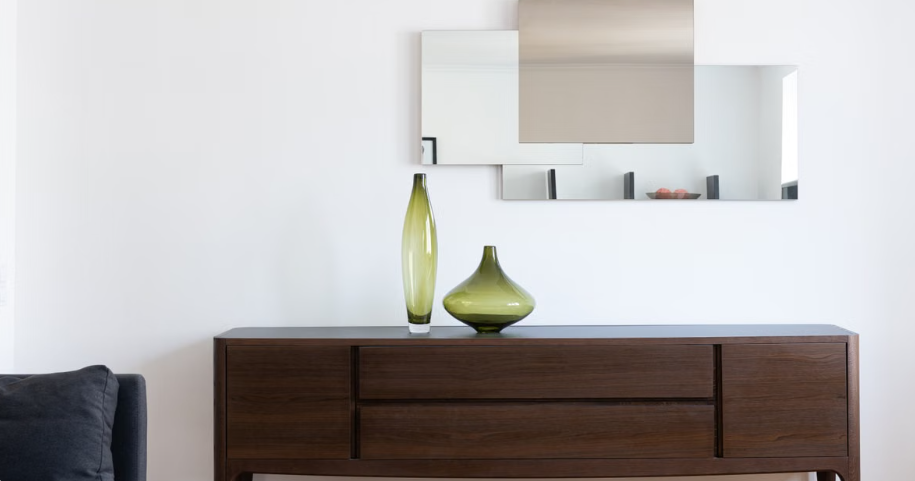
Glass has a particular presence in an interior. It catches daylight, reveals its own contours and can make a compact object feel visually substantial without blocking a view across the room. That makes a sculptural accessory a possible addition to a shelf or coffee-table arrangement rather than something that must always be hidden away. Whether it belongs on display is a personal decision, shaped by the household and the space. The important distinction is between choosing an object for its looks and assuming that attractive glass is automatically suited to every setting.
Begin with the silhouette. A simple shape may sit comfortably among patterned textiles and colorful books, while an intricate piece often benefits from a quieter backdrop. Leave enough space around it to see the form clearly instead of crowding it between other objects. Consider how it looks from the places where people usually sit, as well as from the doorway. This is the same kind of attention given to a vase or a collected ceramic piece, with an additional requirement: a functional glass object needs a position where it is unlikely to be knocked over.
Material Matters: What Borosilicate Can—and Cannot—Tell You
Borosilicate glass art is often discussed in terms of durability, but the material deserves a more precise description. The ISO 3585 standard for borosilicate glass 3.3 describes a low rate of thermal expansion and specified chemical-resistance properties for that type of glass. Low expansion helps explain why borosilicate is used in applications where temperature changes matter. Its chemical resistance can also help preserve flavor by limiting interactions between a clean glass surface and its contents, though residue and cleaning still affect the result. These properties are useful points of reference for a shopper comparing materials, but they describe the glass itself rather than guaranteeing the performance of every finished object made from it.
Shape and workmanship matter too. A narrow connection, an exposed detail or a stressed area can affect how a finished piece responds to handling, regardless of the material’s general reputation. DWK Life Sciences’ overview of glass properties discusses borosilicate’s thermal and chemical resistance in the context of laboratory glassware; it should not be read as a promise that a decorative consumer piece can withstand any impact or sudden temperature change. For premium water pipes, material information is most useful when considered together with the object’s construction, stability and care instructions.
Designing Around a Distinctive Glass Piece
A recognizable motif can give functional glass the personality of a collected object. A bonsai tree bong, for example, brings a familiar natural form into a room without requiring the rest of the decor to follow a botanical theme. As a leading curator of the modern smoker’s lifestyle, General Smoke Shops includes a bonsai-themed piece among its aesthetic glass water pipes, illustrating how a specific motif can guide a design choice. The motif provides a starting point for styling; the surrounding colors, furniture and available space determine whether it feels at home.
Scale is more useful than novelty when deciding where such a piece belongs. On a crowded coffee table, even a compact object may be vulnerable to a passing sleeve or a moved book. A broad, level shelf or sideboard can give the shape room to breathe while keeping it away from an edge. Setting it beside a restrained group of objects—perhaps a small stack of books and a ceramic vessel—lets its outline remain the focal point. Avoid direct contact with heat sources, and take account of children, pets and the routes people regularly walk through the room.
Color offers another way to make a distinctive design feel intentional. Clear glass can echo nearby lighting and leave the emphasis on form; colored details may connect with a cushion, artwork or other accent already present. There is no need to match every element precisely. Repeating one color or organic shape elsewhere in the room can be enough to make a display feel composed. The strongest arrangement also allows the object to be moved for cleaning without dismantling a precarious cluster of decorations.
Buying and Shipping Fragile Glass with Care
Designer glass pieces are easiest to assess when the product listing makes their shape and intended use clear. Photographs from more than one angle can help reveal proportions and details that may be difficult to judge in a single image. Material descriptions and care guidance are worth reading closely, particularly when an unusual form raises questions about handling or cleaning. A decorative motif alone does not establish what glass a particular piece contains. Taking time over those details is more useful than relying on a broad label such as “premium.”
Delivery deserves similar attention because a fragile object has to arrive before it can become part of a room. Check how a retailer handles packaging, damage claims and returns, and consider whether its shipping options suit the privacy needs of the household. When choosing a vetted seller, look for a guarantee of discreet and secure shipping for fragile items and check what that guarantee covers. General Smoke Shops lists over 100 vetted brands and states that available items are processed and shipped within 24 business hours. That processing and shipping window is distinct from a delivery time, just as discreet shipping and protective packaging are separate considerations. Looking at each part of the purchase helps avoid treating a quick order confirmation as a guarantee about the parcel’s arrival.
Keeping Complex Glass Clean and Safe
A piece with curves, branches or other detailed forms calls for more deliberate care than a plain glass vessel. Follow any instructions supplied for the particular object, especially before removing fitted parts or using a cleaning solution. Choose tools that can reach the areas needing attention without forcing them against delicate details. Compatible cleaning products and gentle handling are better starting points than aggressive scrubbing. When rinsing, avoid abrupt changes in water temperature; a material known for thermal resistance still deserves protection from unnecessary stress.
Cleaning is only part of maintaining a display-worthy appearance. Let the piece dry thoroughly before putting it away or returning it to a shelf, paying attention to recesses where moisture may linger. Handle it over a clear, stable surface rather than beside a hard sink edge or an arrangement of other fragile objects. If it has separate components, put them back together without twisting or pressing parts into place. Regular care also creates an opportunity to notice chips or damage before an object is handled again.
Storage should suit the home as well as the glass. A secure surface away from foot traffic is preferable to a narrow ledge, even if the ledge offers better light. Give the piece enough clearance that nearby objects can be picked up without brushing against it. When it is not appropriate to leave an accessory on display, a stable storage spot protects both the object and the people sharing the room. Functional art works best when its place in the home is considered as carefully as its appearance.
The attraction of distinctive glass is that utility and visual interest can occupy the same object. A memorable shape may draw the eye, but material knowledge, sensible placement and manageable care are what make it practical to live with. Choose those qualities together, and a glass accessory can feel like a considered part of an interior rather than an afterthought on a shelf.
