

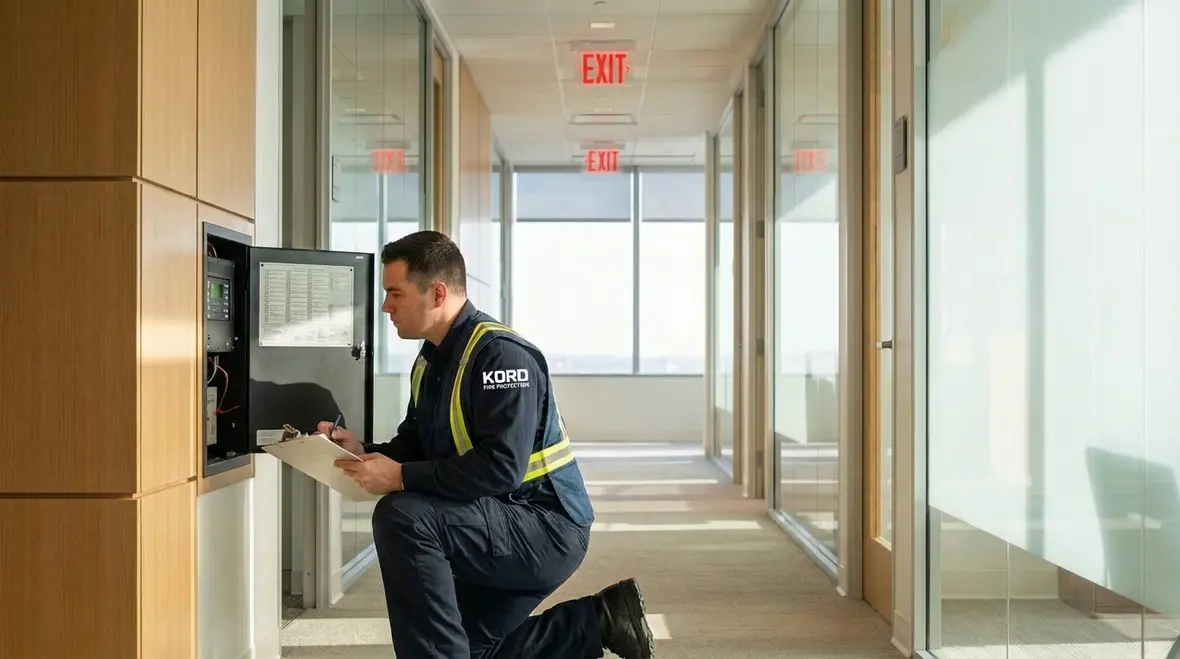
Mechanical equipment inside modern multi-floor structures can fail without warning. When detectors lose power, professional teams execute a high-rise fire watch routine immediately. Trained specialists patrol every dark corridor on foot each hour. They protect sleeping families against unnoticed hazards before smoke spreads. Dedicated floor guards guarantee complete safety until regular sirens work again.
Immediate Action Plans for Sudden Mechanical Equipment Failures
Facility managers alert city safety officials right after alarms drop offline. Designated personnel walk interior stairs every thirty minutes to spot hazards.
Supervisors notify local municipal safety boards right away. Onsite staff track main utility rooms continuously.
Continuous Patrol Steps for Every Interior Floor Level
Guards examine common stairs, storage areas, and main structural corridors continuously. These direct rounds identify hidden smoldering hazards before smoke alarms trigger.
Security staff record temperature shifts across electrical rooms. Managers confirm every manual call station operates correctly.
Essential Equipment Needed for Round-the-Clock Coverage
Officers carry basic gear for quick communication during sudden building emergencies. Every staff member monitors exit signs across all residential levels carefully.
- Teams operate bright portable lanterns to illuminate smoke-filled dark hallways.
- Staff members carry two-way radios to report emerging structural hazards.
- Safety personnel use digital devices to log routine hourly physical checks.
- Station officers maintain paper binders containing complete municipal emergency phone directories.
- Roving inspectors hold universal keys unlocking mechanical closets across every floor.
| Safety Vigilance Component | Dedicated Human Patrol Steps | Passive Automated Alarm Sensors |
| Emergency Detection Capability | Guards visually inspect areas and may notice smoke or unusual odours during patrols. | Sensors trigger alarms when detected smoke or heat reaches configured thresholds. |
| Power Outage Vulnerability | Guards can continue patrols using suitable portable lighting during power outages. | Sensors may rely on backup batteries or emergency power supplies. |
| Resident Evacuation Support | Guards can provide directions and guide residents toward designated evacuation routes. | Audible alarms alert occupants but may not provide personalised evacuation guidance. |
Qualified staff members initiate an alert high-rise fire watch service quickly. These dedicated patrol guards maintain vigilance throughout every occupied building zone.
Detailed Logbook Rules for Local Regulatory Compliance
Officers document patrol results inside bound registry logs during active hours. Municipal code officers inspect these records before granting operational clearance certificates.
- Watchmen write exact timestamps verifying routine rounds across all floor levels.
- Technicians record observed mechanical defects alongside the names of alerted building supervisors.
- Patrol teams submit signed shift logs to local municipal safety inspectors.
Dedicated personnel maintain complete building supervision when automated panels drop offline. Human oversight remains essential for safeguarding families during extensive infrastructure restoration projects.
Common Questions and Answers About Building Safety Procedures
- What occurs when an automated residential alarm fails unexpectedly? Building managers recruit trained security personnel to inspect corridors on foot. These watchmen patrol every floor until technicians repair the primary panel.
- How frequently must roving staff check dark corridors? Inspectors walk interior zones at least once every sixty minutes. Hazardous utility spaces require checks every thirty minutes under city rules.
- Who notifies municipal authorities about sudden equipment outages? Property managers contact the local municipal brigade within twenty-four hours. Owners submit written records confirming professional guards monitor every floor area.
- Can regular office staff perform building security rounds? City codes demand certified guards with verified life protection training. Untrained workers cannot substitute for registered emergency safety patrol staff legally.
Strategic Safety Solutions
Careful oversight prevents fatal accidents during severe mechanical outages inside towers. Property managers maintain compliance by hiring trained safety professionals immediately. Certified round-the-clock patrols provide reliable eyes across dark hallways. Owners protect lives through rapid team deployments, proper equipment, and detailed registries. Establishing standing contracts with verified safety agencies ensures total residential defense.
