

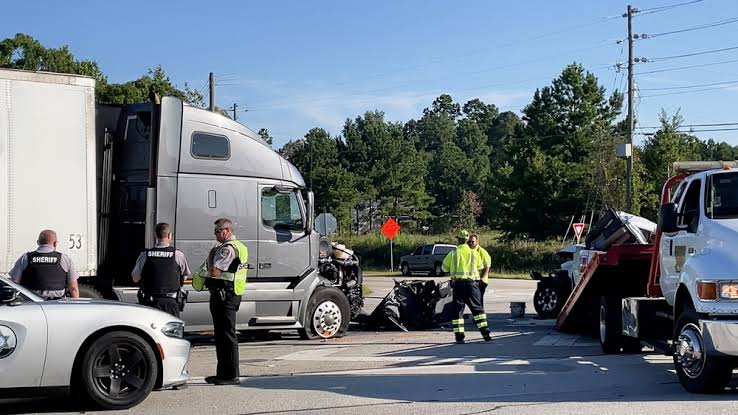
A crash with a tractor-trailer or coal truck is nothing like a fender bender. A loaded big rig can weigh up to 80,000 pounds, and the people in a smaller vehicle often suffer broken bones, head injuries, or worse. Victims are soon dealing with hospital visits, missed work, and calls from insurance companies.
The choices you make early on can shape your health, your finances, and your chances of getting paid for your losses. Speaking with a truck accident attorney in Pikeville can help you understand your rights before the trucking company builds its own version of events. Below are the steps to take after a crash and the reasons truck cases work differently from car accident claims.
Truck Traffic on Pikeville Roads
Pikeville is the county seat of Pike County, the largest county by land area in Kentucky. The city sits in the mountains of Eastern Kentucky, where U.S. 23 and U.S. 119 carry a steady stream of commercial traffic. Coal trucks, logging trucks, fuel tankers, and freight haulers share these routes every day with local drivers heading to work, to classes at the University of Pikeville, or to appointments at Pikeville Medical Center.
Steep grades, sharp curves, narrow two-lane roads, and winter fog or ice make it harder for a heavy truck to stop or stay in its lane. When a driver is tired or hauling a poorly secured load, a small mistake on these roads can quickly become a serious crash.
Get to Safety and See a Doctor Right Away
If you can move, get out of traffic and call 911. Police will write a report at the scene, and that report is often one of the first pieces of evidence in a truck accident claim.
See a doctor even if you feel okay, since adrenaline can hide pain for days, and concussions or internal bleeding may not show up right away. Keep every appointment, because gaps in care give insurers a reason to say your injuries are minor.
Collect Evidence at the Scene If You Can
If your injuries allow it, gather as much information as you can before the vehicles are moved. Small details can carry a lot of weight later, especially if the trucking company tells a different story.
- Photos of all vehicles, skid marks, road conditions, traffic signs, and your injuries
- The truck driver’s name, license, and insurance details
- The trucking company’s name and the USDOT number painted on the cab door
- Names and phone numbers of anyone who saw the crash
- The police report number and the name of the responding officer
If you left the scene by ambulance, ask a family member or friend to go back and take photos soon. Road marks fade and debris gets cleared quickly.
Why Truck Accident Claims Are More Complicated
A car crash usually involves two drivers. A truck crash can involve the driver, the trucking company, the cargo loader, the repair shop, and even a parts maker, each with its own insurer and lawyers.
Truck drivers must also follow federal safety rules. For example, the FMCSA’s hours-of-service rules limit how long a driver can be behind the wheel before resting. When a company pushes a driver past those limits, that violation can become strong proof of fault.
Key evidence often sits inside the truck and the company’s files. Logging devices track driving hours, and the black box records speed and braking before impact. This data can be written over if no one asks to save it, so acting quickly matters.
Be Careful When Talking to Insurance Companies
Trucking companies often send investigators to a crash site within hours. An adjuster may soon call and ask for a recorded statement, and even a simple “I’m fine” can be used to argue that your injuries are minor or that you caused the crash.
Kentucky has its own rules for these claims. Most drivers carry personal injury protection, or PIP, which pays some medical bills and lost wages no matter who caused the crash. Serious injuries can still lead to a claim against the driver and trucking company, but Kentucky’s comparative fault rules can reduce your payment by your share of the blame.
Keep a Clear Record of Your Losses
Keep medical bills, pharmacy receipts, and therapy invoices together in one place. Save pay stubs, a note from your employer about missed work, and a log of your mileage to doctor visits.
A short daily journal also helps. A few lines about your pain, sleep, and the things you can no longer do show how the crash changed your life and can support a claim for pain and suffering.
Frequently Asked Questions
Who can be held responsible for a truck accident?
The driver is not always the only one at fault. The trucking company, a cargo loader, a repair shop, or a parts maker may also share the blame, depending on what caused the crash.
How long do I have to file a truck accident claim in Kentucky?
Kentucky deadlines are short. Many motor vehicle injury claims must be filed within two years of the injury or the last PIP payment, though some cases follow different rules. Missing the deadline can end your right to recover anything.
Can I still get paid if I was partly at fault?
In many cases, yes. Under Kentucky’s comparative fault rules, your payment is reduced by your share of the blame rather than wiped out, so clear evidence about how the crash happened matters.
Should I give a statement to the trucking company’s insurer?
It is usually best to wait until you understand your rights. You do not have to give a recorded statement to the other side’s insurer, and anything you say can be used to lower the value of your claim.
Protecting Your Recovery After a Truck Crash
A truck accident can turn your life upside down in seconds. Getting medical care, saving evidence, keeping records, and being careful with insurers are the steps that protect both your health and your claim.
Because truck cases involve federal rules, several possible defendants, and evidence that can disappear fast, learning your options early gives you the best chance to hold the right parties responsible and focus on getting better.
