

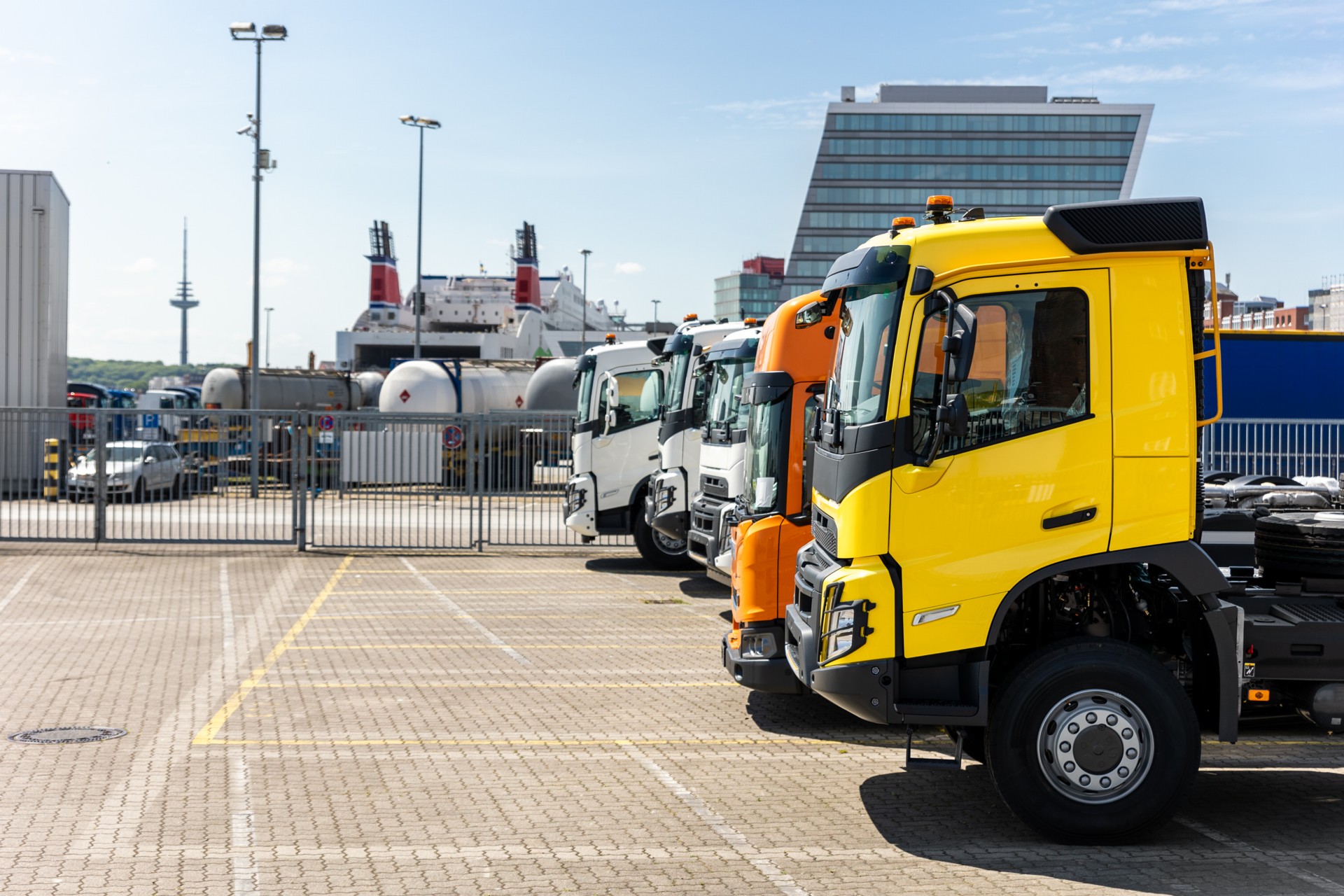
Managing business expenses can become increasingly complicated when a company operates multiple vehicles. Fuel purchases, maintenance services, toll payments, and other transportation-related costs can quickly create a large volume of transactions. Without an organized system, tracking these expenses, monitoring employee spending, and maintaining accurate financial records can be challenging. Additional details about fleet payment solutions are available at https://www.exxonmobilfleetcards.com.
Fleet cards offer businesses a specialized payment solution designed to simplify vehicle-related expense management. In addition to facilitating fuel purchases, many fleet card programs provide transaction reporting, spending controls, and centralized billing features. Understanding how these tools work can help businesses make informed decisions about managing fleet expenses.
What Are Fleet Cards and How Do They Work?
Fleet cards are payment cards designed for businesses that operate company-owned or commercial vehicles. They allow authorized drivers to purchase fuel and, depending on the program, pay for other eligible vehicle-related expenses at participating locations.
Unlike traditional payment cards, fleet cards often include features specifically designed for fleet management. These may include driver identification, vehicle-specific transactions, purchase restrictions, and detailed expense reports.
Fleet managers can use these features to monitor spending across multiple vehicles and review transactions through an online account or management platform.
The exact functionality varies by provider, card type, participating merchant network, and account settings.
7 Ways Fleet Cards Help Businesses Manage Expenses
Fleet cards can support several aspects of business expense management. Here are seven ways these payment solutions can help organize fleet-related spending.
- Centralized Tracking of Vehicle Expenses
One of the main challenges of managing a vehicle fleet is keeping track of purchases made by different drivers at various locations.
When employees use personal payment methods or separate company cards, businesses may need to collect multiple receipts, review individual statements, and manually organize transactions.
Fleet cards can bring eligible vehicle-related purchases together within a centralized account. Depending on the program, administrators can review transaction details such as:
- Purchase date and time
- Transaction location
- Fuel quantity and purchase amount
- Vehicle identification
- Driver information
- Purchase category
Having these details in one place can make it easier to organize expenses and maintain consistent financial records.
- Better Visibility into Fuel Spending
Fuel is an important operating expense for businesses that depend on transportation. However, fuel consumption can vary based on vehicle type, driving distance, traffic conditions, load requirements, and driving habits.
Fleet card reporting tools can help businesses monitor fuel purchases across their vehicles.
Managers may compare transaction histories, review fuel consumption patterns, and identify unusual purchasing activity. These insights can support more informed decisions about fuel purchasing practices and vehicle utilization.
Regularly reviewing fuel expenses also helps businesses understand how transportation costs change over time.
- Improved Control Over Employee Purchases
Managing spending across a large group of drivers requires clear purchasing policies and appropriate oversight.
Many fleet card programs offer customizable spending controls that allow businesses to establish rules for card usage. Depending on available features, these controls may include:
- Daily or weekly spending limits
- Fuel-only purchasing restrictions
- Product category restrictions
- Transaction limits
- Driver-specific permissions
- Vehicle-specific card assignments
These controls can help businesses establish consistent purchasing guidelines and limit transactions that fall outside approved company policies.
However, available restrictions vary between programs, and businesses should review the specific controls offered before selecting a card.
- Simplified Expense Reporting and Accounting
Expense reporting can consume considerable administrative time, particularly when businesses manage numerous vehicles and drivers.
Fleet cards can simplify this process by providing transaction records and consolidated billing information. Instead of relying entirely on manually submitted receipts, accounting teams may be able to access digital transaction histories.
Depending on the platform, reports can be organized by driver, vehicle, date, location, or purchase category.
This information can support bookkeeping, expense reconciliation, budget reviews, and financial reporting. Some programs may also offer downloadable reports or integration options for accounting and fleet management software.
- Easier Identification of Unusual Transactions
Monitoring employee purchases is an important part of maintaining financial accountability.
Fleet card transaction reports can help administrators identify activity that requires further review. For example, businesses may investigate:
- Multiple transactions within a short period
- Purchases outside approved operating hours
- Fuel quantities that appear inconsistent with vehicle capacity
- Transactions at unexpected locations
- Purchases that exceed established spending limits
These records do not automatically establish fraudulent activity or policy violations. However, they can help managers identify transactions that may require verification.
Regular account reviews can support better financial oversight and reinforce internal purchasing procedures.
- More Organized Maintenance and Repair Expenses
Fuel is not the only expense associated with operating commercial vehicles. Businesses must also account for oil changes, tire replacements, brake servicing, inspections, and unexpected mechanical repairs.
Some fleet card programs support eligible maintenance and repair purchases at participating service locations.
When available, these transactions can be recorded alongside other vehicle-related expenses, providing a more organized overview of fleet spending.
Businesses should check whether their selected program supports maintenance payments, which service categories are eligible, and whether additional authorization requirements apply.
- More Informed Budget Planning
Accurate expense information plays an important role in preparing business budgets.
Fleet card reports can help managers understand historical spending patterns across fuel purchases and other eligible transactions. These records may be useful when estimating future transportation expenses and identifying areas that require closer monitoring.
For example, businesses can compare fuel expenses across different reporting periods, examine spending by vehicle, and review maintenance transaction histories.
While historical data cannot guarantee future costs, it provides a useful starting point for evaluating operating expenses and adjusting budgets when necessary.
What Should Businesses Consider Before Choosing a Fleet Card?
Not every fleet card offers the same features or acceptance network. Businesses should evaluate several factors before selecting a program.
- Acceptance Network: Check whether the card is accepted at fuel stations and service locations along regular business routes.
- Transaction Reporting: Review the level of detail available in expense reports and whether information can be exported for accounting purposes.
- Spending Controls: Determine whether the program supports customizable limits, purchase restrictions, and driver identification.
- Fees and Payment Terms: Understand account fees, transaction charges, billing cycles, interest provisions, and other applicable costs.
- Additional Services: Check whether the program supports maintenance payments, roadside services, or other vehicle-related purchases.
- Account Management: Consider how easily administrators can issue cards, manage drivers, update restrictions, and review transactions.
Fleet cards can provide businesses with a structured way to manage vehicle-related expenses. Features such as centralized transaction tracking, spending controls, digital reporting, and consolidated billing can help improve financial visibility and simplify administrative processes.
However, the usefulness of a fleet card depends on the company’s operational requirements, vehicle count, purchasing policies, and the features available through the selected program.
By evaluating reporting capabilities, acceptance networks, transaction restrictions, and applicable fees, businesses can determine whether fleet cards are a suitable addition to their expense management strategy. A well-organized approach to tracking fleet expenses can support better financial oversight and more informed business decisions.
