

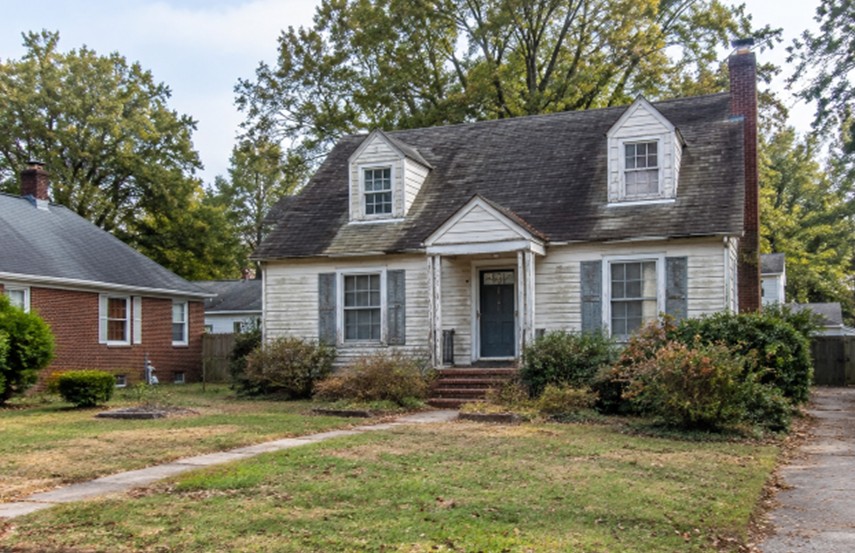
Selling a home as-is can be a practical choice for Greensboro owners facing deferred maintenance, an inherited property, a vacant house, tenant damage, or a move that cannot wait for a full renovation. Whether the property is near downtown, in an established neighborhood, or on the edge of Guilford County, the right path depends on its condition, your available funds, and the time you have to sell.
Some owners choose to list traditionally, while others explore direct-sale options from businesses that say we buy houses in Greensboro. Before choosing either route, it helps to understand what “as-is” means, what must still be disclosed, and how different buyers evaluate a home that needs work.
What “As-Is” Really Means
An as-is sale generally means the seller does not agree in advance to complete repairs or improvements before closing. It does not mean the home is exempt from inspection, that a buyer cannot request concessions, or that a seller may hide known problems. Inspection rights, repair negotiations, due diligence, and closing obligations are determined by the written purchase contract.
Repair, List, or Sell As-Is in Greensboro?
Greensboro homeowners usually have three broad choices:
- Make repairs first. This can make sense when the work is manageable and likely to improve marketability.
- List with a repair credit. A seller may leave the work to the buyer while offering a negotiated credit at closing.
- Sell as-is. This may suit an owner who prioritizes a simpler timeline, limited preparation, or greater certainty.
Consider available repair cash, mortgage payoff, urgency, expected holding costs, the property’s condition, and the likely buyer demand before deciding.
Property Issues That Affect a Greensboro Sale
Not every issue carries the same weight. Peeling paint, dated cabinets, and worn flooring are often cosmetic concerns. Active roof leaks, moisture intrusion, exposed wiring, damaged handrails, heating or cooling failures, foundation movement, mold concerns, storm damage, fire damage, and unfinished renovations may affect safety, financing, inspections, or the number of interested buyers.
Vacant homes and properties with tenant-related damage can require extra planning as well. Regular exterior upkeep, secure access, utility management, and clear showing arrangements can help prevent a neglected property from becoming harder to evaluate.
Disclosures and Records to Prepare
Clear information can reduce surprises after an offer arrives. Sellers should gather prior inspections, contractor estimates, paid invoices, permits, warranties, insurance claim information, and records involving water, fire, mold, or structural concerns. North Carolina guidance on known latent defects explains the importance of disclosing material hidden issues that a seller knows about and a buyer could not reasonably discover.
Older Greensboro homes may require additional attention. For most housing built before 1978, federal lead-based paint disclosure rules require sellers to provide known information and available records before a sale contract is signed. Sellers should review the current requirements and seek legal guidance when their situation is unclear.
How Property Condition Affects Pricing in Greensboro
An as-is price should reflect more than a contractor’s repair estimate. Buyers may account for cleanup, permits, financing restrictions, unknown conditions behind walls or under flooring, the time required to supervise work, and the risk of discovering additional defects.
Use comparable properties in similar condition when possible, then consider:
- Expected repair and cleanup costs.
- Mortgage, tax, insurance, and utility costs while waiting to sell.
- Closing fees and possible buyer credits.
- The number of buyers able and willing to take on the work.
A move-in-ready home may appeal to a broad audience. A home with a failing roof or possible foundation issue may draw more attention from cash buyers, contractors, and experienced renovators, which can affect both price and terms.
Which Buyers Consider Homes That Need Work?
Potential buyers can include traditional purchasers with renovation experience, contractors, builders, investors, landlords, cash buyers, and buyers seeking a lower purchase price in exchange for taking on repairs. A conventional listing may provide broader exposure, while a direct buyer may offer a shorter or less complicated process. Neither route is automatically better. Compare the complete offer, not just the headline price.
A Step-by-Step As-Is Selling Process in Greensboro
- Walk through the home and document visible repairs, safety concerns, and unfinished work.
- Collect ownership documents, disclosures, invoices, permits, inspection reports, and insurance records.
- Estimate the likely difference between selling now and repairing first.
- Choose a method, such as an agent-listed sale, private sale, auction, or direct offer.
- Set a condition-adjusted price based on relevant comparable sales.
- Review price, financing, contingencies, earnest money, inspection terms, and closing date for every offer.
- Request proof of funds or financing documentation when appropriate.
- Work with a qualified closing professional or attorney to address title and contract requirements.
Costs, Fees, and Net Proceeds
The best offer is the one that produces the strongest realistic net result. Build a simple worksheet that starts with the offer price and subtracts mortgage payoff, taxes and prorations, closing fees, agent compensation if applicable, agreed credits, moving costs, storage, utilities, insurance, and other holding expenses.
A lower offer can be financially stronger if it has fewer contingencies, a reliable source of funds, and a closing date that reduces ongoing expenses. A higher offer may lose value if it requires substantial credits, lengthy negotiations, or financing that does not survive the property’s condition.
Common Mistakes to Avoid
- Treating “as-is” as a substitute for honest disclosure.
- Pricing the home like a fully renovated property.
- Ignoring active leaks or clear safety hazards.
- Accepting an offer without evaluating the buyer’s financial ability to close.
- Overlooking liens, unpaid taxes, estate issues, or other title concerns.
- Making repair promises that are not written into the agreement.
Frequently Asked Questions
Can a house with major repairs still be sold?
Yes. Major repairs may narrow the buyer pool and affect financing, price, and timing, but homes needing work can still be sold when the condition and terms are presented clearly.
Can buyers ask for repairs in an as-is sale?
They may request repairs, credits, or a price change after inspections unless the contract limits those options. The seller can accept, reject, or negotiate, subject to the contract.
What if the property is inherited or tenant occupied?
Confirm authority to sell, title status, outstanding obligations, lease terms, access rights, and communication responsibilities before marketing the home. These details can influence both timing and buyer interest.
Conclusion
Selling a house as-is in Greensboro is not a one-size-fits-all decision. By evaluating repairs, disclosures, buyer choices, contract terms, and true net proceeds, homeowners can choose a sale strategy that matches their property, timeline, and financial priorities.
