

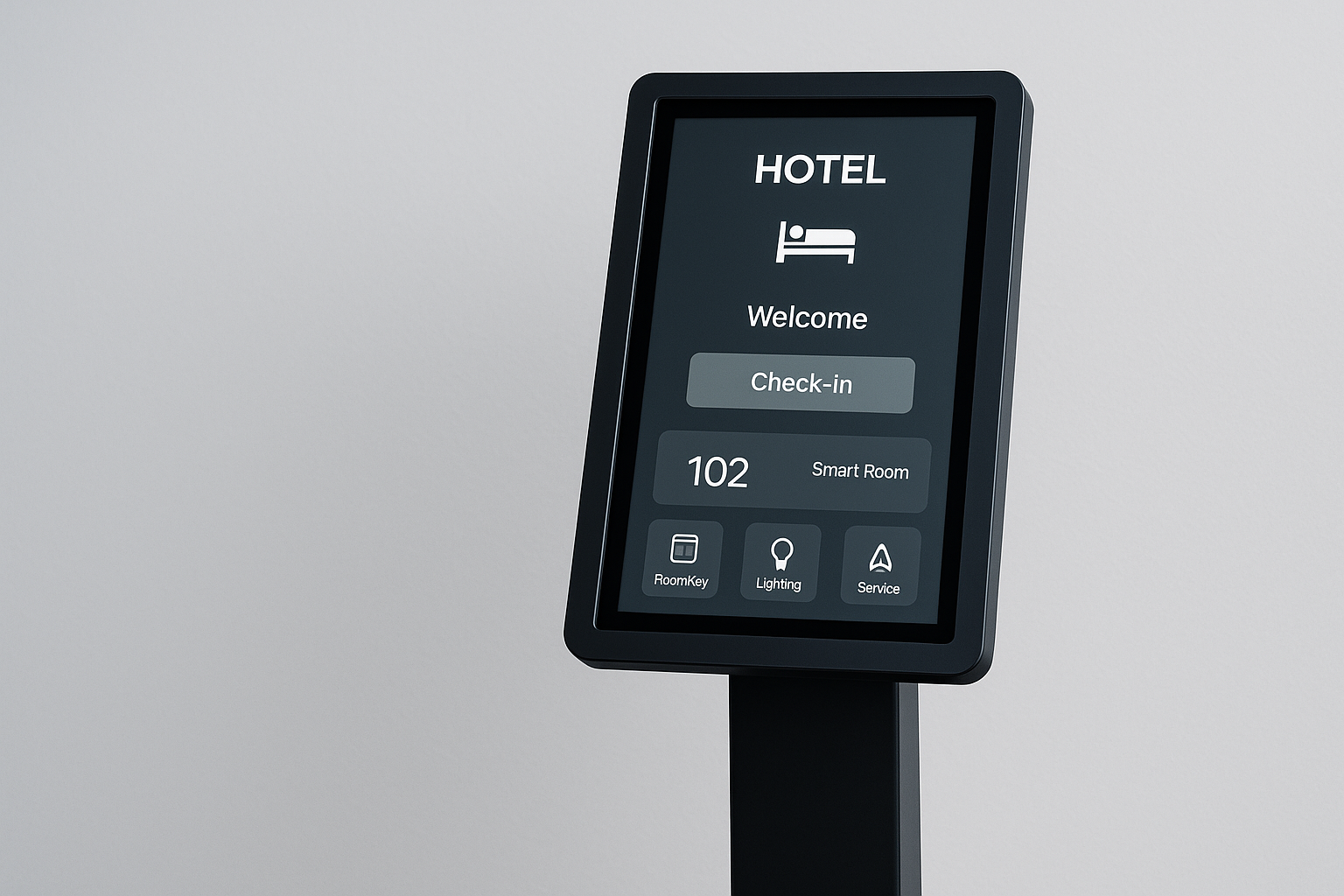
Long lines at the front desk drain energy before a stay even begins, and current satisfaction data shows that when guests use a hotel’s mobile app the overall experience scores significantly higher, which makes a clear case for contactless check‑in and mobile keys as standard practice now, beginning with a mobile‑friendly booking engine that sets expectations before arrival.
In J.D. Power’s 2025 North America Hotel Guest Satisfaction Index study, based on 39,219 guests with stays between May 2024 and May 2025 across seven dimensions including check‑in and check‑out, app users averaged 699 points versus 631 for non‑users on a 1,000‑point scale, a meaningful lift tied to streamlined touchpoints and self‑service control.
That’s the heart of this article: why mobile check‑in and digital keys matter, how wallet‑based access can remove friction and how to translate adoption gaps into practical KPIs teams can move weekly without losing the human welcome that makes hospitality memorable.
Skip the desk, but keep the smile
The fastest way to improve the first five minutes of a stay is to reduce the steps between arrival and room access while keeping staff available for the moments that actually need people, and the latest J.D. Power study suggests app engagement is a reliable path to higher satisfaction when the technology is genuinely useful to the guest.
Because J.D. Power explicitly measures check‑in and check‑out as part of its seven‑dimension framework, the correlation between app usage and better outcomes is operationally relevant rather than theoretical, which is helpful when aligning teams on what to track week to week. It’s also why a smoother pre‑arrival flow matters; when booking is simple and mobile‑first, guests arrive primed for contactless steps, and a neutral example is a conversion‑optimized booking engine that reduces friction before the first tap at the door without promising results beyond its own page copy.
- Average check‑in time: track the median minutes from lobby arrival to room access and review exceptions after every shift to remove small blockers quickly.
- App activation rate: measure the share of arriving guests who have the brand app or mobile web session active before check‑in, since J.D. Power ties app usage to higher satisfaction scores.
- Digital key usage: monitor the percentage of eligible stays that provision and use mobile keys, then test prompts at booking, pre‑arrival and elevator landings to convert intent into action.
The point isn’t to automate hospitality; it’s to remove routine friction so staff can focus on recoveries, welcomes and moments that make a stay feel personal, which is also reflected in higher app‑user satisfaction where mobile tools are integrated with service rather than bolted on.
Your phone, your key
Digital keys have crossed a practical threshold thanks to two things: portfolio‑level scale and wallet compatibility that removes a common adoption hurdle, since not every traveler wants another app for a single night’s stay. Google Wallet added support for hotel keys in mid‑2024 and went live at Clarion Hotel Post in Gothenburg with NFC room access, which is a clean model for reducing steps at the door and expanding reach to Android guests without a brand app requirement.
On the portfolio side, Hilton reports nearly 14.3 million Digital Keys downloaded from January to August 2024 and more than 870,000 keys shared with companions, which demonstrates usage at scale rather than just pilot enthusiasm across one property or region. There’s also an environmental dividend; Hilton estimates Digital Key has diverted 183 tons of plastic from landfill since 2020, and individual program years have saved roughly 100 tons, which strengthens the business case when sustainability is a decision factor for owners and guests alike.
Getting wallet keys in play takes clarity more than complexity, and the best operators meet guests where they are with simple, visible cues from the inbox to the elevator wall, then reinforce at the door with a two‑step visual guide for first‑time users to normalize the tap habit without turning arrival into a tutorial.
Adoption still lags availability in many brands due to legacy locks and uneven opt‑in flows, so the real wins come from hardware standards, privacy‑forward permission prompts and short training scripts that help staff coach hesitant guests in under 20 seconds without slowing everyone else down.
Self‑service without the cold shoulder
Contactless isn’t a swap for service; it’s a way to give people their time back while reserving human attention for the moments that matter, which aligns with what satisfaction research shows about useful technology and better stays.
J.D. Power’s 2025 reporting and expert commentary highlight that engagement through mobile apps and in‑room tech like smart TVs contributes to higher satisfaction when the tech actually does something valuable for the guest, such as faster access or easy control, not just brochureware in a phone wrapper.
That makes a strong case for a joined‑up journey; when booking is smooth, check‑in is contactless and the room is ready to recognize the guest’s preferences, the lobby staff can spend their energy on a genuine welcome, informed recommendations and quick recoveries when plans go sideways, which is where hospitality earns loyalty. If the routine is handled by a tap or a QR, how should hotels measure the return on those saved minutes as they’re reinvested into service moments that guests actually remember?
From tap to welcome
When contactless check‑in and mobile keys work, they don’t feel like technology; they feel like courtesy, and the data backs that up with higher satisfaction among app users and growing comfort with practical, on‑device controls that reduce effort without removing choice.
The next leg is clear: expand compatible locks, keep wallet keys front and center for guests who prefer them and make prompts and signage so obvious that guidance feels optional rather than required, which is the fastest route to habitual use at scale. Owners will appreciate that these steps also support sustainability goals through reduced plastic and less wasted time at the desk, which is exactly the kind of double win that keeps projects funded once pilots end and real operations begin.
Start with three KPIs, remove two frictions per month and reinvest every saved minute into the human moments that define a stay, because once the queue is gone, what signature welcome will set the tone for the next visit?
