

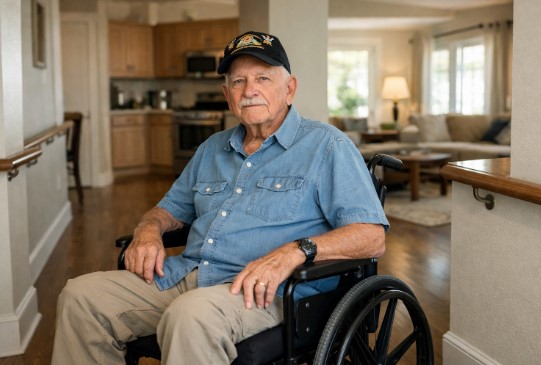
Adapting a home after military service is often an essential step toward maintaining independence, safety, and overall well-being. Many veterans face mobility-related challenges that require practical changes to their living environment. The U.S. Department of Veterans Affairs (VA) recognizes these needs and offers home adaptation grant programs designed to help veterans create safer, more functional homes.
In Houston, where housing styles and floor plans vary widely, understanding VA home adaptation options can help veterans and families make informed decisions that improve daily life while preserving comfort and familiarity.
Understanding VA Home Adaptation Programs
VA home adaptation grant programs are designed to address physical limitations related to service-connected disabilities or medical conditions that affect everyday movement. Rather than offering a one-size-fits-all solution, these programs support modifications that reduce barriers, lower injury risks, and promote long-term independent living.
While each veteran’s situation is unique, most adaptation projects share a common goal: making it easier to navigate the home safely and confidently. In practice, this may include improving access at entry points, increasing clearance throughout living areas, and updating high-risk spaces such as bathrooms and kitchens.
Programs commonly discussed by veterans and caregivers
Veterans researching home adaptation often hear about options such as Specially Adapted Housing (SAH), Special Home Adaptation (SHA) and Home Improvement and Structural Alterations (HISA). These programs are frequently associated with accessibility upgrades and safety improvements that support daily routines, especially when mobility or endurance is limited.
Transforming the Home to Support Independent Living
For many veterans, the first priority is freedom of movement. Adaptation plans often start by identifying the areas where daily navigation becomes difficult—such as narrow doorways, tight hallways, or transitions between rooms. Removing or reducing these barriers can have a meaningful impact on comfort and safety.
Widened doorways, improved turning space, and clearer pathways can help veterans move more easily with mobility aids such as wheelchairs or walkers. These updates also reduce the physical strain of routine tasks and can contribute to better overall well-being over time.
Working with VA-experienced contractors
Veterans exploring VA home adaptation options in the Houston area often rely on experienced contractors such as Rhinovations Inc.
to better understand VA-supported housing adaptation programs and how they may apply to real residential layouts.
Planning adaptations with a focus on functionality can help ensure that changes support everyday life—not just short-term needs. The goal is a home environment that works in the veteran’s favor by reducing fall risks, improving movement, and supporting long-term independence.
Improvements to Access and Indoor Circulation
Access improvements are a key part of home adaptation, particularly at entry points where steps, uneven surfaces, or narrow openings can create immediate safety concerns. Solutions may include ramps built with a safe slope, stable surfaces, and adequate handholds, depending on the home layout.
Inside the home, circulation improvements focus on making movement easier and more predictable. Simple changes such as adjusting furniture placement, improving turning space, and removing trip hazards can reduce daily risk without requiring extensive reconstruction.
Lighting, visibility, and practical upgrades
Lighting plays an important role in fall prevention. Motion-activated lights, improved hallway illumination, and switches positioned at accessible heights can help keep paths visible at all times. These upgrades may seem small, but they often make daily routines safer and less stressful.
Smart home features that reduce daily strain
Some veterans also benefit from smart home features that allow control of temperature, lighting, or security with minimal movement. When used thoughtfully, these tools can support independence and conserve energy—especially for those managing chronic pain, reduced endurance, or limited mobility.
Bathroom safety improvements
 Bathroom adaptations often focus on reducing slip and fall risks while preserving privacy and dignity. Examples may include barrier-free, roll-in shower entry, reinforced grab bars, and non slip-resistant flooring. Improving stability and ease of movement in the bathroom can make personal care safer and more manageable.
Kitchen accessibility adjustments
Kitchen adaptations are commonly designed to improve reach and usability. Adjustments may include lowering certain work surfaces, creating open space beneath sinks, and organizing storage so frequently used items are easier to access. These changes can help veterans maintain independence during meal preparation and everyday tasks.
Additional Assistance for Smaller Adaptation Needs
Not every situation requires extensive remodeling. Some veterans benefit from smaller, targeted modifications that improve safety and comfort without major structural changes. These updates can be especially helpful when needs are evolving or when specific areas of the home present the greatest challenges.
Examples of smaller modifications with big impact
Practical improvements may include lever-style door handles, non-slip flooring, minor entryway adjustments, or plumbing changes that accommodate medical equipment. Even modest updates can reduce daily stress and support safer routines throughout the home.
Aligning adaptations with the veteran’s situation
The most effective home adaptation plan is one that reflects the veteran’s day-to-day reality. By focusing on the areas that cause the most strain or risk, veterans and caregivers can prioritize changes that deliver meaningful improvement and long-term usability.
Planning a Successful VA Home Adaptation Project
A successful adaptation project usually begins with identifying specific challenges inside the home—whether related to movement, balance, reach, or endurance. From there, it helps to outline the modifications that would improve safety and functionality the most.
Veterans may also want to gather documentation and explore eligibility criteria early, since different VA programs can involve distinct requirements. Clear planning, realistic timelines, and an accessibility-first mindset often lead to better outcomes.
Step-by-step approach
- Identify daily barriers and high-risk areas inside the home.
- List priority changes that improve safety, access, and independence.
- Review program guidelines and organize supporting documentation.
- Plan modifications that fit the home layout and long-term needs.
Creating a Home That Supports Long-Term Well-Being
VA home adaptation programs are ultimately about helping veterans live with confidence, safety, and independence in their own homes. Whether through significant structural changes or smaller targeted upgrades, thoughtful adaptations support a living environment that is easier to navigate and safer to maintain.
For veterans in Houston and surrounding areas, understanding VA-supported home adaptation options is a practical first step toward shaping a home that supports recovery, everyday comfort, and long-term well-being.
