

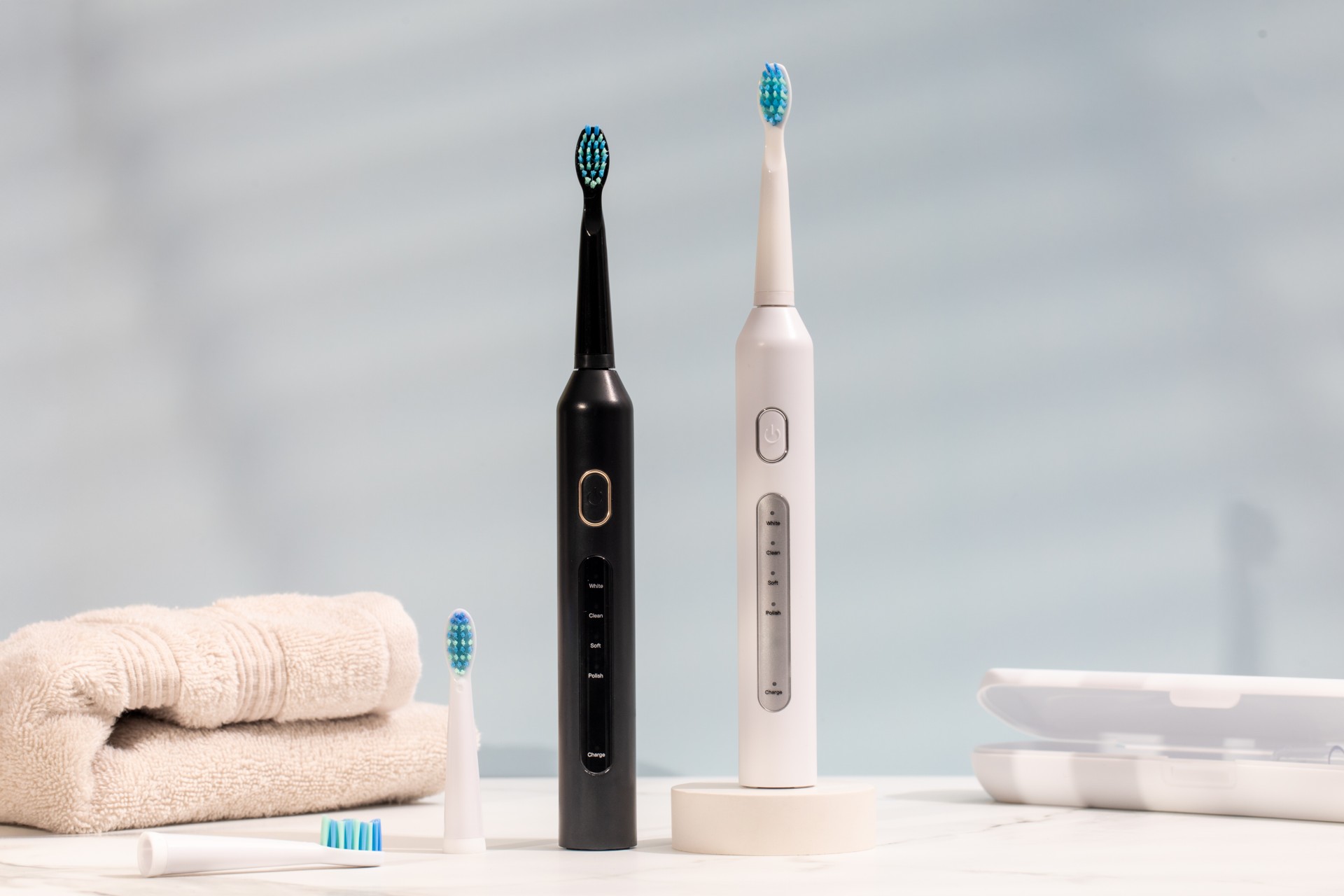
Electric toothbrushes have become a popular option for children’s oral-care routines. Designed with kids in mind, SuperMouth offers a great selection of electric toothbrushes, check it out at https://supermouth.com/collections/kids-electric-toothbrushes. They can make brushing more engaging while offering features such as built-in timers, small brush heads, and gentle brushing modes. However, parents may reasonably wonder whether these powered toothbrushes are safe to use every day.
In general, age-appropriate electric toothbrushes designed specifically for children can be safe for daily use when used according to the manufacturer’s instructions. As with a manual toothbrush, proper technique, suitable bristles, and appropriate supervision are important factors.
Can Kids Use Electric Toothbrushes Every Day?
Yes, children can generally use an electric toothbrush as part of their regular daily brushing routine when the toothbrush is appropriate for their age.
The important distinction is between a toothbrush designed for children and one designed for adults. Children’s electric toothbrushes typically have features intended for smaller mouths and developing brushing skills.
Parents should always check the manufacturer’s recommended age range before giving an electric toothbrush to a child.
Why Daily Brushing Matters
Using an electric toothbrush doesn’t change the importance of maintaining a consistent brushing routine. Children need regular brushing to help remove food particles and plaque from their teeth.
Parents should establish brushing as part of the child’s morning and bedtime routine. Younger children may need an adult to brush their teeth for them or finish areas they have missed.
Consistency is generally more important than whether the toothbrush is manual or electric.
Are Electric Toothbrush Vibrations Safe?
The movement or vibration of an electric toothbrush may feel unusual to a child, especially when they first start using one. A properly designed children’s toothbrush should operate at settings appropriate for its intended users.
If a child is uncomfortable with the sensation, parents can introduce the toothbrush gradually. Letting the child hold the toothbrush and become familiar with its sound and movement before brushing can make the transition easier.
Children should never be encouraged to tolerate significant pain or discomfort while brushing. If brushing causes persistent discomfort, consult a dental professional.
Choose Soft Bristles
One of the most important features to consider is the brush head.
A children’s electric toothbrush should have soft bristles and an appropriately sized head. A smaller head can make it easier to reach the teeth in a child’s smaller mouth.
Children should also be taught to brush gently rather than applying excessive pressure. More force does not necessarily result in cleaner teeth.
Use an Age-Appropriate Toothbrush
Children’s needs change as they grow. A toothbrush suitable for a preschooler may not be the right choice for an older child.
When selecting an electric toothbrush, consider:
- The recommended age range
- Brush-head size
- Bristle softness
- Handle size
- Ease of operation
- Available brushing modes
- Timer features
- Replacement brush-head availability
Following the manufacturer’s instructions can help ensure the toothbrush is being used as intended.
Do Kids Need Adult Supervision?
Young children generally need supervision while brushing, regardless of whether they use a manual or electric toothbrush.
An electric toothbrush can perform some of the brushing movement, but it doesn’t know which areas the child has missed. Younger children may also rush, chew on the brush head, or use excessive pressure.
Parents can encourage independence while still checking the child’s brushing. A common approach is to allow the child to brush first and then have an adult finish the job.
As children develop better coordination and brushing skills, they can gradually take more responsibility.
Can an Electric Toothbrush Damage Children’s Teeth?
Used correctly, an age-appropriate electric toothbrush should not damage a child’s teeth simply because it is powered.
Problems can arise from improper use, such as:
- Applying excessive pressure
- Using a damaged or excessively worn brush head
- Using an inappropriate toothbrush
- Brushing too aggressively
- Ignoring discomfort
Parents should regularly inspect the brush head and replace it according to the manufacturer’s recommendations or when the bristles become noticeably worn.
What About Built-In Timers?
Timers can be particularly useful for children because they may help prevent rushed brushing.
Some electric toothbrushes use timers to encourage children to spend enough time brushing different areas of the mouth. This can turn brushing into a more structured activity.
A timer isn’t essential, but it can be a helpful feature for children who frequently stop brushing too soon.
How Should an Electric Toothbrush Be Stored?
Keeping the toothbrush clean is another part of safe daily use.
After brushing, rinse the brush head thoroughly and store the toothbrush in a clean location where it can dry between uses. Avoid sharing toothbrushes with siblings or other family members.
Parents should also keep charging equipment and batteries away from children when appropriate and follow the manufacturer’s instructions for charging and cleaning.
Is an Electric Toothbrush Better Than a Manual Toothbrush?
Not necessarily. Both electric and manual toothbrushes can be effective when used properly.
An electric toothbrush may be particularly useful for children who:
- Have difficulty with brushing movements
- Tend to brush too quickly
- Enjoy interactive features
- Need encouragement to maintain their routine
A manual toothbrush may be preferable for children who find it simpler or more comfortable.
The best choice is one that the child can use appropriately and consistently.
Don’t Forget Toothpaste and Technique
A high-quality toothbrush can’t replace proper brushing habits. Children should use fluoride toothpaste in an age-appropriate amount and follow recommendations from their dentist.
Parents should also teach children to clean the different surfaces of their teeth, including the front, back, chewing surfaces, and areas near the gumline.
For younger children, adults should take responsibility for ensuring the teeth are thoroughly cleaned.
When Should Parents Consult a Dentist?
Parents should speak with their child’s dentist if they have questions about choosing an electric toothbrush or if their child experiences persistent discomfort, gum irritation, or other concerns during brushing.
Regular dental visits can also help parents learn appropriate brushing techniques and determine whether their child’s current oral-care routine is working well.
Electric toothbrushes for kids can generally be safe for daily use when they are designed for the child’s age and used correctly. Soft bristles, an appropriately sized brush head, gentle pressure, and regular replacement of worn brush heads are all important.
Parents should supervise younger children and help them develop effective brushing habits. Whether a child uses an electric or manual toothbrush, regular and thorough brushing remains the foundation of good daily oral care.
