

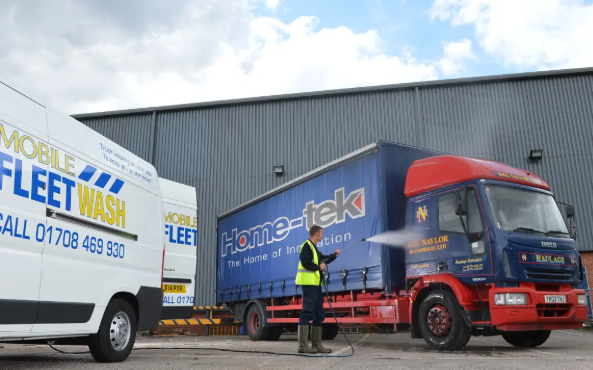
Keeping a commercial fleet clean is no longer simply about maintaining a polished appearance. For businesses that depend on vans, trucks, trailers, HGVs and specialist vehicles every day, cleanliness can influence operational efficiency, brand perception, driver satisfaction and overall fleet management. As schedules become increasingly demanding, companies are looking for practical ways to maintain vehicles without creating unnecessary disruption. This is where mobile fleet washing is changing the way businesses approach routine vehicle care.
Instead of taking vehicles away from their usual operating locations, on-site cleaning brings professional washing directly to depots, yards and working premises. This approach allows fleet operators to incorporate cleaning into their existing schedules while reducing the need for additional journeys. For businesses managing multiple vehicles, the result can be a more organised, flexible and efficient maintenance routine.
Minimising Disruption to Daily Operations
One of the biggest advantages of on-site vehicle washing is convenience. Traditional cleaning arrangements may require vehicles to travel to dedicated facilities, wait for their turn and then return to the depot. For a busy fleet, these additional movements can interfere with delivery schedules, collection routes and other operational commitments. On-site cleaning removes much of this inconvenience. Professional teams can work where vehicles are already based, allowing businesses to arrange cleaning around vehicle availability and site operations. This means a fleet does not necessarily need to be taken out of service simply to maintain an appropriate standard of cleanliness.
Making Fleet Maintenance More Efficient
Fleet maintenance involves far more than mechanical inspections and repairs. Clean vehicles are easier to inspect visually, while regular washing can help remove accumulated dirt, road grime, mud and other contaminants from exterior surfaces. When cleaning is carried out at the business premises, fleet managers can coordinate it with other routine activities. Vehicles may be cleaned while they are parked, waiting between assignments or undergoing scheduled depot procedures. This creates opportunities to make better use of otherwise inactive periods.
A consistent cleaning routine can also make fleet management more predictable. Rather than arranging individual washes whenever vehicles become visibly dirty, businesses can establish weekly, fortnightly or otherwise suitable schedules based on their operational needs.
Supporting a Professional Brand Image
For many companies, commercial vehicles are highly visible representations of their brand. Delivery vans travel through residential areas, trucks use major roads and service vehicles regularly visit customer premises. Their appearance can therefore influence how customers and other road users perceive the business. A clean fleet can communicate attention to detail, professionalism and reliability. This can be particularly important for businesses where vehicles form a visible part of the customer experience.
Managing Fleets Across Multiple Locations
Large businesses often face an additional challenge: their vehicles may not all operate from the same depot. A company could have vehicles distributed across several cities, regional hubs or operating sites. Managing cleaning consistently across these locations can become complicated if every site follows a different process.
A mobile service can simplify this challenge by providing a coordinated approach across different operating locations. Mobile Fleetwash, for example, has developed a nationwide network designed to support businesses with vehicles operating from individual sites as well as multiple locations. Its teams work across sectors including transport, logistics, retail, delivery and waste management.
Addressing Environmental and Site Requirements
Vehicle washing also needs to be approached responsibly. Run-off from commercial vehicle cleaning can contain dirt, oils and other contaminants, making appropriate wastewater management an important consideration for businesses. Some sites may have limited drainage or may not be suitable for conventional washing arrangements. In such circumstances, professional providers can offer wastewater containment solutions designed to capture wash water and support appropriate disposal.
Mobile Fleetwash highlights wastewater containment for sites where drainage is unsuitable, alongside the necessary regulatory considerations for handling and removing collected water. This demonstrates how modern fleet washing is becoming more comprehensive, with environmental and operational requirements considered alongside vehicle cleanliness.
Creating a More Consistent Cleaning Standard
Consistency is particularly important when businesses manage large fleets. If one vehicle is cleaned regularly while another is neglected, the overall appearance and maintenance standard can vary considerably. A planned service can establish clear expectations for cleaning frequency and quality. Professional teams can follow defined processes and use suitable equipment and cleaning products for different types of commercial vehicles. Consistency becomes even more valuable when a company operates across multiple sites. A structured cleaning programme can help ensure that vehicles receive comparable attention regardless of where they are based.
Choosing the Right Approach for Your Fleet
Every fleet has different requirements. Vehicle types, operating hours, depot access, cleaning frequency and geographical coverage can all influence the most suitable arrangement. A small local delivery fleet may require a different schedule from a nationwide logistics operation, while specialist vehicles may need specific cleaning considerations. Businesses should therefore look for a service that can adapt to their operational environment rather than simply offering a standard wash. Reliability, scheduling flexibility, professional equipment, wastewater management and service reporting can all contribute to a more effective long-term arrangement.
Conclusion
As commercial fleets become busier and businesses place greater emphasis on efficiency, vehicle cleaning is evolving into a more integrated part of fleet management. Bringing professional cleaning directly to depots, yards and operating sites can reduce disruption while making regular maintenance easier to schedule and monitor. For many organisations, this convenience can translate into a more reliable and consistent approach to vehicle care. Businesses exploring fleet washing services UK can benefit from considering providers that combine flexible scheduling with nationwide capability, professional processes and appropriate wastewater solutions. A well-planned service can help keep vehicles presentable without placing additional pressure on already demanding operations.
For organisations looking for this type of practical support, Mobile Fleetwash offers an established on-site approach designed around the realities of commercial vehicle operations. Its experience across different vehicle types and business sectors, together with its ability to coordinate cleaning around site access and vehicle availability, makes it a relevant option for companies seeking a structured fleet cleaning programme.
