

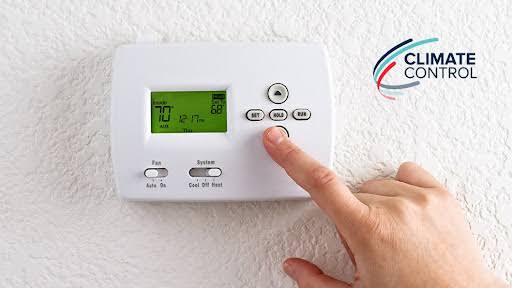
When the temperature drops and your thermostat displays “Heat On,” you expect your baseboard heaters to warm up and keep your home comfortable. However, sometimes the baseboards remain cold even though the thermostat indicates that the heating system is running. This situation can be confusing and frustrating, especially during colder months when reliable heat is essential. Understanding why this happens is important for maintaining a comfortable living environment and ensuring your heating system operates efficiently. There are several possible reasons for this issue, ranging from simple thermostat settings to more complex mechanical or electrical problems within your heating system.
Common causes of cold baseboards
How Thermostats and Baseboard Heaters Work Together
Thermostats and baseboard heaters are designed to work in tandem to regulate the temperature in your home. The thermostat acts as the control center, monitoring the ambient temperature and signaling the heating system to turn on or off as needed. When the thermostat detects that the room temperature has dropped below the set point, it sends a signal to the heating system to activate. For electric baseboard heaters, this means allowing electrical current to flow through the heating elements, generating warmth. For hydronic baseboard heaters, the thermostat signals the boiler to heat water, which then circulates through the pipes in the baseboards. If the thermostat is functioning correctly but the baseboards remain cold, it suggests a disconnect between the control system and the heating elements. This could be due to wiring issues, a malfunctioning relay, or a problem with the heating elements themselves. Understanding this relationship is crucial for diagnosing why your baseboards are not responding when the thermostat says “Heat On.”
Thermostat Settings and Calibration Issues
One of the most common reasons for baseboards staying cold while the thermostat indicates heating is a problem with the thermostat settings or calibration. Modern thermostats can sometimes become miscalibrated, causing them to misread the actual room temperature or fail to communicate properly with the heating system. If the thermostat is set to a temperature lower than the current room temperature, it may display “Heat On” due to a programming error, even though the system is not actually sending power to the baseboards. Additionally, programmable thermostats can have schedules or settings that override manual adjustments, leading to confusion about when the heat should be running. In some cases, the thermostat may have a dead battery or loose wiring, preventing it from sending the correct signal to the heating system. Homeowners who have recently installed a new thermostat or made changes to their heating system may encounter compatibility issues that prevent the baseboards from heating up. Consulting a reputable HVAC company like Joe Cool’s Heating and Cooling can help identify and resolve these calibration or compatibility problems, ensuring your thermostat and baseboards work together seamlessly.
Electrical and Mechanical Problems in the Heating System
Beyond thermostat issues, electrical or mechanical problems within the heating system itself can prevent baseboards from warming up. For electric baseboard heaters, a tripped circuit breaker or blown fuse can interrupt the flow of electricity, leaving the heaters cold even when the thermostat is calling for heat. Faulty wiring, corroded connections, or damaged heating elements can also disrupt the system’s ability to generate warmth. In hydronic systems, problems such as air trapped in the pipes, a malfunctioning circulator pump, or a boiler that fails to ignite can all result in cold baseboards. Sometimes, sediment buildup in the boiler or pipes can restrict water flow, reducing the efficiency of heat transfer. Regular maintenance is essential to prevent these issues, as neglected systems are more prone to breakdowns. If you notice that only certain sections of your baseboards are cold, it may indicate a localized problem, such as a stuck valve or a blockage in the piping. Addressing these mechanical and electrical issues promptly can restore proper heating and prevent further damage to your system.
When to Call for Professional Help
If you have checked your thermostat settings and ensured that your circuit breakers are not tripped, but your baseboards remain cold, it may be time to seek professional assistance. Persistent heating problems can indicate underlying issues that require specialized tools and knowledge to diagnose and repair. A qualified technician can perform a thorough inspection of your thermostat, wiring, and heating elements to pinpoint the source of the problem. They can also check for issues such as airlocks in hydronic systems or faulty relays in electric systems. Attempting to fix complex heating problems without the proper training can be dangerous and may result in further damage or safety hazards. Professional HVAC technicians have the experience and equipment necessary to safely restore your heating system to full functionality, ensuring your home stays warm and comfortable throughout the colder months.
Preventative Maintenance for Reliable Heating
Regular maintenance is key to preventing issues that cause your baseboards to stay cold when the thermostat says “Heat On.” Scheduling annual inspections of your heating system can help identify potential problems before they lead to a loss of heat. During a maintenance visit, a technician will check the thermostat calibration, inspect wiring and connections, clean heating elements, and ensure that all components are functioning correctly. For hydronic systems, they will also check for leaks, bleed air from the pipes, and inspect the boiler for signs of wear or sediment buildup. Keeping your heating system clean and well-maintained not only improves its efficiency but also extends its lifespan. Homeowners should also periodically check their thermostats for dead batteries and ensure that programmable settings are configured correctly. By staying proactive with maintenance, you can reduce the likelihood of unexpected heating failures and enjoy consistent warmth throughout the heating season.
Quick Troubleshooting Steps
If your baseboards are cold but the thermostat says “Heat On,” start by checking the thermostat settings and ensuring it is set to the desired temperature. Next, inspect your circuit breakers or fuses to make sure power is reaching the heating system. For hydronic systems, listen for unusual noises from the boiler or circulator pump, which could indicate air in the pipes or mechanical issues. If you are unable to identify the problem or if the issue persists, contact a professional HVAC technician for a thorough inspection and repair.
Conclusion
When your thermostat displays “Heat On” but your baseboards remain cold, it can be a sign of issues ranging from simple thermostat misconfigurations to more complex electrical or mechanical failures within your heating system. Understanding how your thermostat and baseboard heaters interact is essential for diagnosing the problem and restoring warmth to your home. Regular maintenance and prompt attention to any irregularities can help prevent these issues from occurring in the first place. If troubleshooting steps do not resolve the problem, seeking professional assistance ensures your heating system is repaired safely and efficiently, allowing you to maintain a comfortable and cozy living environment throughout the colder months.
