

An HVAC system is designed to cycle on and off as indoor temperatures change, but frequent starts and stops can indicate that something is interfering with normal operation. This behavior, commonly called short cycling, can make rooms uncomfortable, increase electricity consumption, and place unnecessary strain on heating and cooling components. Sometimes the cause is relatively simple, such as a clogged air filter or an incorrect thermostat setting. Other situations may involve airflow restrictions, electrical components, refrigerant levels, or equipment sizing. Understanding why the system keeps cycling can help homeowners recognize when basic maintenance may solve the problem and when further inspection is needed AC Repair Ventura County.
What Can Cause Frequent HVAC Cycling?
Several parts of the heating and cooling system influence how long each operating cycle lasts.
A Dirty Air Filter Can Restrict Airflow
One of the most common reasons an HVAC system repeatedly turns on and off is restricted airflow caused by a dirty filter. The filter collects dust, hair, pollen, and other airborne particles before they enter the equipment. As this material builds up, less air can move through the system. The HVAC unit may then struggle to distribute heated or cooled air throughout the home. During cooling operation, poor airflow may cause the evaporator coil to become unusually cold, while heating equipment may become too hot because heat cannot move away efficiently. Protective controls can respond by shutting the equipment down before the thermostat has been satisfied. After temperatures inside the unit return to an acceptable level, the system may restart, creating repeated short cycles. Homeowners experiencing this problem can examine the filter and replace it when it appears heavily covered with debris. Checking filters regularly is particularly important during periods when the HVAC system operates for many hours each day.
Thermostat Problems Can Send Incorrect Signals
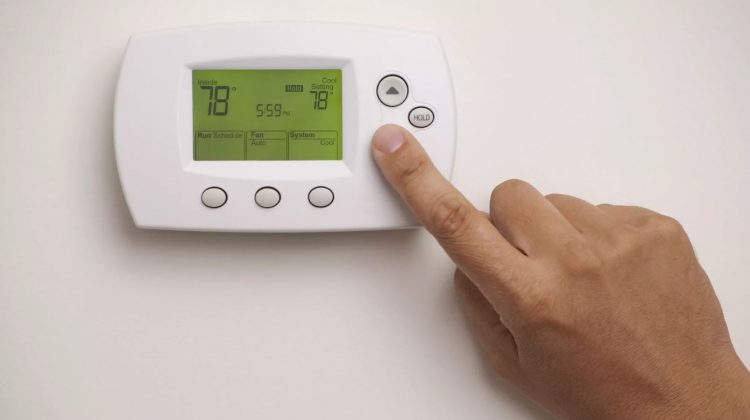
The thermostat determines when the HVAC equipment should start and when it should stop, which means even a small thermostat problem can create noticeable cycling behavior. Incorrect temperature settings, weak batteries, loose wiring, or inaccurate temperature readings may cause the equipment to receive inconsistent commands. Thermostat location can also influence system operation. A thermostat positioned near a sunny window, exterior door, cooking area, supply vent, or another source of rapidly changing temperatures may detect conditions that do not accurately represent the rest of the house. Someone contacting a Summerlin office about repeated HVAC cycling may be asked to check thermostat settings and surrounding conditions before more complicated causes are considered. Homeowners can also compare the thermostat reading with the actual feeling inside nearby rooms. If the displayed temperature changes unusually quickly or appears inaccurate, thermostat inspection may be worthwhile. Correcting thermostat placement or replacing a malfunctioning control can often restore longer, more consistent heating and cooling cycles.
An Oversized HVAC Unit May Reach Temperatures Too Quickly
Bigger heating and cooling equipment does not automatically provide better indoor comfort. HVAC systems are normally selected according to factors such as square footage, insulation, window exposure, ceiling height, climate, air leakage, and the home’s overall heating or cooling load. When equipment is significantly oversized, it can change indoor temperatures very quickly and satisfy the thermostat before completing a normal operating cycle. The equipment shuts down, the indoor temperature soon begins changing again, and another cycle starts shortly afterward. Frequent cycling can become particularly noticeable during mild weather when the house requires only a small amount of heating or cooling. Oversized air conditioners may also struggle to remove enough humidity because they do not operate long enough for sustained moisture removal. Rooms may therefore reach the desired temperature while still feeling humid or uncomfortable. Determining whether equipment is incorrectly sized generally requires evaluating the home’s characteristics rather than simply comparing equipment capacity with floor area. Proper sizing encourages steadier operation and more balanced comfort throughout the property.
Refrigerant or Coil Problems Can Interrupt Cooling
Air-conditioning systems depend on refrigerant moving through indoor and outdoor coils to transfer heat effectively. When refrigerant levels are incorrect because of leakage or another system issue, operating pressures and temperatures may move outside the range the equipment is designed to handle. Safety controls may then shut the system down to reduce the possibility of component damage. After pressures change, the equipment may restart and repeat the same pattern. Similar behavior can occur when the evaporator coil begins freezing. Ice formation limits airflow and reduces the coil’s ability to absorb heat, making normal cooling increasingly difficult. Frozen coils can result from restricted airflow, refrigerant problems, dirty components, or other operating conditions. Homeowners may notice reduced airflow from supply vents, unusually long periods of poor cooling, visible ice, or water near the indoor equipment after the ice melts. Continuing to operate an air conditioner that repeatedly shuts down because of these conditions may increase strain on the compressor, so persistent cooling interruptions should not simply be ignored.
Electrical and Mechanical Components May Be Wearing Out
Repeated HVAC cycling can sometimes originate from components responsible for starting, controlling, or protecting the equipment. Capacitors, contactors, relays, sensors, wiring connections, motors, and control boards all contribute to normal operation. As these components age, their performance can become inconsistent. A failing capacitor, for example, may make it difficult for a motor or compressor to start properly. An electrical connection that becomes loose may interrupt operation unexpectedly, while a temperature or pressure sensor can stop the system when it detects an unsafe condition. The equipment may later restart when the control resets, producing an ongoing pattern of short operation followed by another shutdown. Mechanical issues such as an overheating blower motor can create similar symptoms. Because many HVAC electrical components operate around high voltage, homeowners should avoid removing equipment panels or attempting electrical repairs without appropriate training. Observing when the cycling occurs, whether unusual sounds accompany it, and how long the equipment operates can provide useful information when the system is inspected.
Blocked Vents and Dirty Components Can Reduce Performance
Airflow problems are not limited to the HVAC filter. Closed supply registers, blocked return vents, dirty blower components, debris around outdoor equipment, or buildup on coils can all interfere with the movement and transfer of air and heat. A return grille covered by furniture or household items may prevent the system from receiving enough air, while numerous closed supply vents can increase pressure inside ductwork. Outdoor condenser coils covered with dirt, leaves, or other debris may also struggle to release heat efficiently during air-conditioning operation. As operating temperatures or pressures change, protective controls may cause the equipment to stop unexpectedly. Homeowners can keep furniture, curtains, rugs, and storage items away from supply and return openings and remove loose vegetation or debris surrounding the outdoor unit. HVAC vents generally function more effectively when most remain open rather than being closed in unused rooms. Routine cleaning and maintenance also allow internal components to operate with fewer restrictions and can reduce cycling caused by declining airflow or heat-transfer performance.
Conclusion
An HVAC system that repeatedly turns on and off is usually responding to a condition preventing normal operation. Dirty filters, thermostat problems, equipment sizing, refrigerant issues, restricted airflow, and aging electrical components can all contribute to short cycling. Some causes can be addressed through simple actions such as replacing a clogged filter, opening blocked vents, checking thermostat settings, or clearing debris around outdoor equipment. Persistent cycling, however, deserves attention because frequent startups can increase energy use and place additional wear on motors, compressors, and other components. Identifying the underlying cause allows the system to return to longer, steadier cycles while maintaining more consistent indoor temperatures and reliable operation.
