


Gambling is one of the oldest human activities, with evidence dating back to Prehistoric times. For most of its existence, it was an activity that required the physical presence of the bettor. The practice evolved in the 17th century with the invention of the first casino in Venice.

Since then, casinos have become physical places where gamblers go to test their luck. From simple card and dice games to the invention of slot machines in the 19th century, gambling became increasingly widespread, with a wide range of games. It evolved with the times, keeping pace with the latest technological trends.
This article will focus on the evolution of casino culture in modern times. Readers will become familiar with how physical casinos operate today and how they have adapted to the digital shift.
From Physical Casinos to Online: Habit Shifts
A casino used to be a special venue where people would gather to gamble and place bets. It was a space outside of the home that necessitated a ritual, a specifically allotted time for the activity. Everything took time; cards had dealers that moved with a certain speed, while slots had to spin for a set period before showing the results.
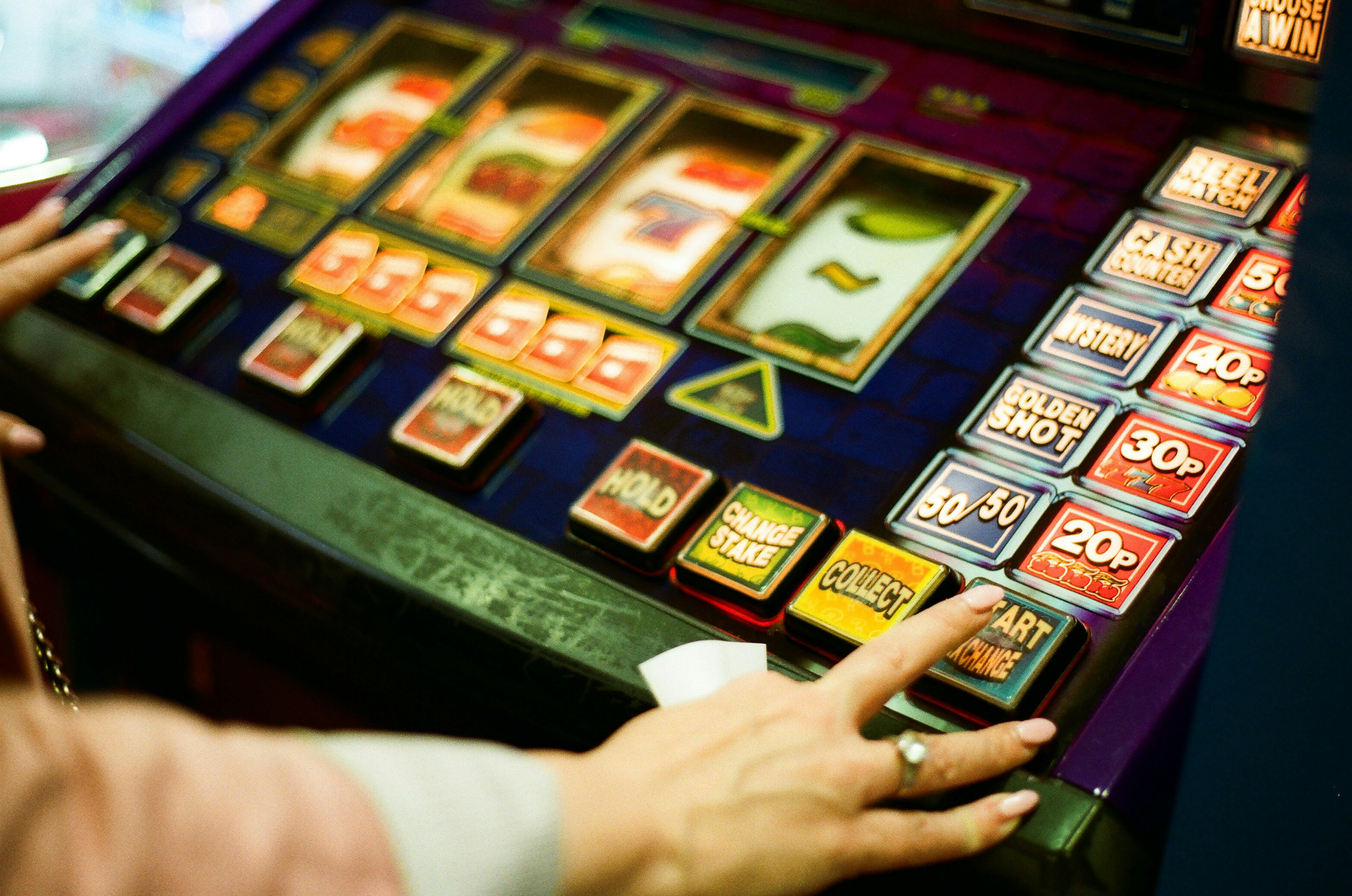
As technology advanced and the digital revolution transformed the world, casinos couldn’t remain static. They have evolved, improving the user experience with video slots that offer faster play, multiple paylines and more. The most notable switch was also the change of medium.
Online betting began to emerge, with casinos becoming online platforms that sought to recreate the real casino atmosphere in a space that required no travel. Players no longer had to get to a venue when they could access a site where they can compare bonuses at SlotsCalendar, pick the casinos they like and then gamble without moving from the couch.
Gambling requires less effort now than it did when it was a social activity. It can easily be integrated into anyone’s day-to-day routine, breaking away from the ritualistic pattern of ‘going to the casino’ and engaging in social interactions with the other gamblers.
Pros and Cons of Online Gambling
This shift has both advantages and disadvantages; some features move online well and provide enhanced experiences, while others are harder to adapt. The positive aspects include:
- Bonuses: a major advantage that offers extra benefits (or even free funds that require no deposit). Physical casinos don’t usually provide you with cash to start your betting sessions.
- More game variety: online casinos have collections of hundreds, even thousands of games, while a physical venue has a limited space, which can only fit so many slots and card game tables.
- Time flexibility: gamblers are no longer confined to casinos’ working hours; online platforms operate 24/7, allowing bettors to play whenever and from wherever they wish.
- Increased fairness in slots: online games rely on Random Number Generators (RNGs) at their core, which ensure greater fairness and are certified.
- Tournaments and community features: competitiveness is more prominent in the online environment, with tournaments that let players compete against each other from around the world rather than limiting it to a table, and public ranking charts that show the biggest wins.
As for the negative aspects, it is important to mention:
- Less rich sensory experience: while online operators let gamblers play from home, they don’t offer the sounds, the lights and the socialization parts that a physical casino guarantees. In a venue, players get to interact with a dealer who knows their name, read the tells of adversaries at the poker table, and participate in the overall sensory experience that brings the thrill.
- Less security: physical casinos require local licenses to operate, whereas online gambling sites may operate without valid licenses and face no set regulations to protect players.
- Online threats (hacking and scamming): betting platforms ought to use encryption software to keep their users’ data secure and mitigate these risks, but some only opt for basic protection, which could prove inadequate.
- Higher risk of problematic gambling: since the player has access to games of chance throughout the day, limiting the time spent betting in normal life could prove difficult, which could lead to the development of chaotic and uncontrolled practices
Final Concerns
Even though the digital environment has boosted casino culture with more games and greater flexibility, it is not necessarily the safest option. While physical casinos made gambling somewhat less accessible, as players had to travel to an actual location to place a bet, online betting sites work the opposite way.
They make playing games of chance more accessible to a greater number of people, which also increases the risks of problem gambling. The community factor is out of the equation, which means that bettors play on their own whenever they want. The routine of betting, which could turn as normal as scrolling through social media, could turn into an addiction if left without limitations.
This is why online casinos implement various tools that help bettors stay in control. Self-exclusion, deposit and loss limits and reality checks are just the most well-known options that could aid gamblers to prevent the development of harmful betting.
