

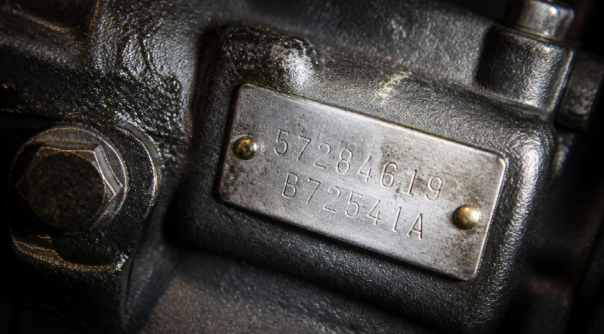
Finding the right part for a CAV DPA injection pump starts with reading the identification plate correctly. The same pump body can appear on several tractors and industrial engines. The internal calibration is what makes it specific. A pump that looks identical may still deliver the wrong amount of fuel or use a different timing curve. Reading the number properly avoids that mistake.
What Is a CAV DPA Injection Pump?
The CAV DPA is a rotary mechanical diesel fuel injection pump. Lucas CAV produced many versions for agricultural, construction, and industrial diesel engines. Later replacement units and listings may carry the Delphi name instead.
The pump handles several tasks at once. It draws fuel from the supply system. It meters the correct amount for each cylinder. It sends pressurized fuel to the injectors. It controls injection timing. It adjusts delivery as engine speed and load change. The internal assembly contains a drive shaft, distributor rotor, pumping elements, a governor, a transfer pump, and a timing mechanism. Wear or contamination in any of these areas shows up as hard starting, rough running, smoke, or low power.
Where Do You Find the Part Number?
The identification plate is usually a small metal tag riveted or screwed to the pump body. Depending on the engine and application, the plate may sit near the governor housing, the mounting flange, or the side cover.
Clean the area before you try to read anything. Oil, dust, and old paint can hide characters. At 8:00 on a cold morning in a dim workshop, a flashlight and a rag may reveal numbers that were invisible five minutes earlier. Take a photograph from several angles. Compare the number against the engine serial plate and the machine records.
Do not confuse these numbers. The pump specification number, the pump serial number, the engine serial number, the machine model number, and any casting numbers all identify different items. A casting number on the pump housing may only describe the housing. It does not confirm the internal calibration.
How Do You Read the CAV DPA Number?
Identify the Pump Family
Look for markings such as CAV DPA, Lucas CAV, or Delphi on the plate. These tell you the general pump family. A later Delphi listing may be a direct replacement for an older Lucas CAV unit, but the full specification still needs to match.
Check the Specification Code
The longer number on the plate is usually the most important detail. It connects the pump to a particular engine application and calibration. Numbering formats vary between eras and catalog systems. Do not assume that every digit has one fixed meaning. Some sections identify the pump type, while other characters describe the delivery setting, governor characteristics, or application code. A qualified rebuilder should verify the complete number rather than relying on one section.
Confirm Rotation and Drive Details
Pump rotation must match the engine. A pump built to turn the opposite direction may fail to deliver fuel at the correct time or may not pump at all. Also compare the drive gear or hub type, mounting flange, bolt spacing, fuel inlet and return port positions, delivery outlet layout, stop and throttle lever locations, and timing adjustment range. Two pumps sharing the same DPA housing can differ on several of these points.
What Parts Are Commonly Replaced During Service?
A pump may not need complete replacement. A qualified technician can inspect and replace worn items such as shaft seals, O-rings, bearings, governor springs, metering valve components, transfer pump parts, delivery valve seals, shims, and gaskets. A rebuild kit commonly contains seals, gaskets, and the most frequently worn service items. Kit contents vary by pump number. Confirm the application before ordering.
A basic seal kit may not solve deeper problems. A worn cam ring, damaged rotor, corrosion, or heavy contamination requires more than gaskets. After a rebuild, the pump should be tested and calibrated on a suitable test bench before it goes back onto the engine.
How Do You Verify Compatibility Before Ordering?
Use the pump plate, engine information, and machine records together. Before choosing an Injection Pump, a replacement assembly, or internal components, check the complete specification number, engine make and model, machine model and serial range, number of cylinders, rotation direction, mounting and drive arrangement, injector line configuration, and fuel connection sizes.
A Perkins fuel injection pump diagram or a similar reference can help identify delivery lines and fittings. It cannot, by itself, confirm that a pump calibration is correct for your engine.
What If the Plate Cannot Be Read?
Start by photographing the entire pump from several angles. Record the engine plate, the number of cylinders, the machine model, and any visible casting marks. Note the position of the fuel outlets, throttle lever, and stop mechanism. A specialist may identify the pump from these details.
Avoid guessing when ordering internal parts. The wrong governor spring, rotor, or delivery setting can cause hard starting, heavy smoke, poor performance, or an overspeed condition that damages the engine.
Final Words
The CAV DPA injection pump part number is not just a general model label. It identifies a specific pump application, calibration, rotation, and mounting design. Read the complete plate. Compare it against the engine and machine records. Verify the technical details before buying any Injection Pump or rebuild kit. A few minutes of careful identification can prevent an incorrect order and save far more time during installation and testing.
