

When it comes to improving your home’s energy efficiency and indoor comfort, understanding the condition of your building envelope and ductwork is essential. Two common diagnostic tools used by homeowners and building professionals are the duct leakage test and the blower door test. Each test serves a unique purpose, helping to identify air leaks that can lead to higher energy bills, uneven temperatures, and poor indoor air quality. Deciding which test your home needs depends on your specific concerns, the age and type of your home, and your goals for energy savings and comfort. This article will help you understand the differences between these tests and guide you toward making an informed decision.
Understanding the Two Tests
What Is a Duct Leakage Test?
A duct leakage test is designed to measure the amount of air that escapes from the ductwork in your home’s heating and cooling system. Ducts are responsible for distributing conditioned air throughout your living spaces, but over time, joints, seams, and connections can develop leaks. These leaks can cause significant energy loss, as conditioned air escapes into unconditioned spaces like attics, crawlspaces, or walls. During a duct leakage test, a technician seals all the registers and uses a calibrated fan to pressurize the duct system. The amount of air needed to maintain a set pressure reveals how leaky the ducts are. This test is particularly important for homes with forced-air heating and cooling systems, especially if you notice rooms that are difficult to heat or cool, or if your energy bills are higher than expected. Addressing duct leaks can improve comfort, reduce energy costs, and enhance indoor air quality by preventing dust and pollutants from entering the ductwork.
What Is a Blower Door Test?
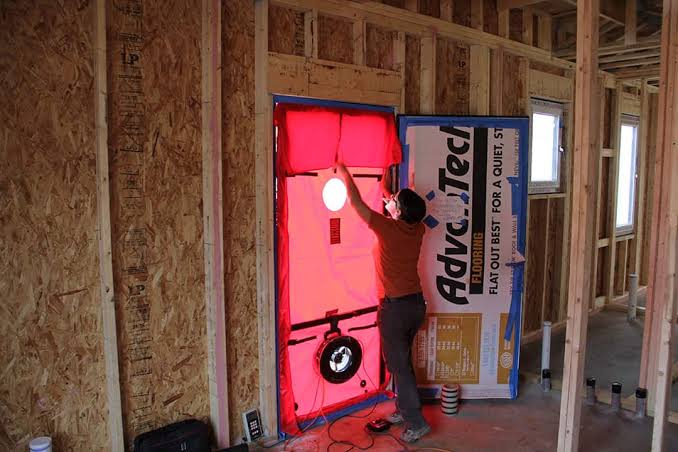
A blower door test evaluates the overall airtightness of your home’s building envelope, which includes walls, ceilings, floors, windows, and doors. This test is performed by mounting a powerful fan in an exterior doorway and depressurizing the house. The fan pulls air through all the gaps and cracks in the building envelope, allowing the technician to measure how much air is leaking in or out. The results indicate how much outside air infiltrates your home, which can affect heating and cooling efficiency, moisture control, and indoor air quality. A blower door test is valuable for identifying hidden leaks that may not be visible or accessible, such as those behind walls or in the attic. Homeowners often choose this test when they are planning energy upgrades, experiencing drafts, or preparing for energy code compliance. If you are interested in learning more about these tests and how they can benefit your home, Click here for additional information and resources.
When to Choose a Duct Leakage Test
A duct leakage test is most appropriate when you suspect that your heating and cooling system is not performing as efficiently as it should. Signs that your ducts may be leaking include uneven temperatures between rooms, excessive dust, or a noticeable decrease in airflow from vents. Homes with older ductwork or those that have undergone renovations are particularly susceptible to leaks, as construction activities can disturb or damage duct connections. If your energy bills have increased without a clear explanation, or if your HVAC system seems to run constantly without achieving the desired comfort level, a duct leakage test can pinpoint the source of the problem. By identifying and sealing leaks, you can ensure that conditioned air reaches every room as intended, improving both comfort and efficiency. This test is also required in some jurisdictions for new construction or major renovations to meet energy codes and standards. Ultimately, a duct leakage test is a targeted approach for homeowners who want to address issues specific to their HVAC system and maximize the return on their energy investment.
When to Choose a Blower Door Test
A blower door test is the preferred choice when your primary concern is the overall airtightness of your home. This test is especially useful for identifying air leaks that contribute to drafts, moisture problems, or inconsistent indoor temperatures. If you have noticed cold spots near windows or doors, or if your home feels stuffy or humid, a blower door test can help locate the sources of these issues. The test provides a comprehensive assessment of your home’s envelope, revealing leaks in places you might not expect, such as electrical outlets, plumbing penetrations, or recessed lighting fixtures. Homeowners planning major energy upgrades, such as adding insulation or replacing windows, often start with a blower door test to prioritize improvements and measure their effectiveness. Additionally, this test is commonly required for homes seeking energy certifications or participating in energy efficiency programs. By addressing air leaks identified during a blower door test, you can create a more comfortable, durable, and energy-efficient living environment.
Comparing the Benefits
Both duct leakage and blower door tests offer significant benefits, but they address different aspects of home performance. A duct leakage test focuses on the efficiency of your HVAC distribution system, ensuring that conditioned air is delivered where it is needed without waste. This can lead to lower energy bills, improved comfort, and better indoor air quality. In contrast, a blower door test evaluates the integrity of your home’s entire envelope, helping to reduce drafts, control moisture, and maintain consistent indoor temperatures. The choice between the two depends on your specific concerns and goals. Some homeowners may benefit from both tests, especially if they are undertaking comprehensive energy upgrades or experiencing multiple comfort and efficiency issues. Understanding the unique advantages of each test can help you make an informed decision that aligns with your needs and priorities.
Quick Guide to Making Your Choice
If you are unsure which test is right for your home, consider your main concerns. If you are dealing with uneven temperatures, high energy bills, or poor airflow from vents, a duct leakage test is likely the most effective first step. If you are experiencing drafts, moisture problems, or are planning major energy improvements, a blower door test will provide a broader assessment of your home’s performance. Consulting with a qualified professional can also help you determine the most appropriate test based on your home’s age, construction, and HVAC system.
Conclusion
Choosing between a duct leakage test and a blower door test depends on your home’s unique characteristics and your specific comfort and efficiency concerns. Both tests play a crucial role in identifying and addressing air leaks that can lead to wasted energy, higher utility bills, and reduced indoor comfort. By understanding the purpose and benefits of each test, you can take proactive steps to improve your home’s performance and create a healthier, more comfortable living environment. Whether you are planning energy upgrades, troubleshooting comfort issues, or simply looking to reduce your carbon footprint, investing in the right diagnostic test is a smart move for any homeowner.
