

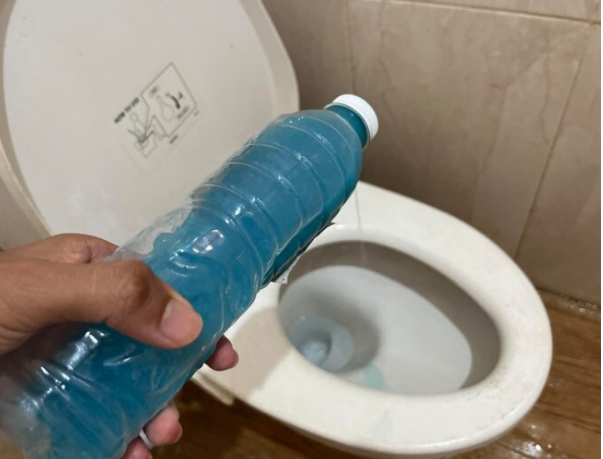
A toilet that does not refill after flushing can quickly become an inconvenient problem, especially when you need to use it again. In most cases, the cause is related to a small number of components inside the cistern or the water supply connected to it. Understanding how these parts work can make it easier to identify the problem and decide whether it can be handled at home or requires professional attention. If you are dealing with a toilet not filling with water, checking the cistern, float, fill valve, and water supply is a good place to start.
How a Toilet Cistern Works
The cistern is the tank that stores water needed for the next flush. When you press the flush button or lever, water leaves the cistern and enters the toilet bowl. Once the flush is complete, the cistern should begin filling again automatically.
Several parts work together during this process. The fill valve allows fresh water into the cistern, while the float helps control when the valve opens and closes. The flapper or flush valve controls the release of water into the bowl. An overflow tube helps prevent the cistern from filling beyond its safe level.
When one of these components becomes damaged, blocked, loose or incorrectly adjusted, the cistern may stop filling properly. The good news is that many of these problems are relatively simple to identify.
Check the Water Supply First
Before opening the cistern or adjusting any internal components, check whether water is actually reaching the toilet. Most toilets have a small isolation valve on the pipe leading to the cistern. This valve controls the water supply and may have been accidentally turned off during cleaning, maintenance or other plumbing work.
Make sure the valve is fully open. If it is only partly open, the toilet may still receive some water but refill very slowly. If there is no water entering the cistern at all, check whether other taps in the home are working normally. A wider water supply problem could be affecting the toilet rather than the cistern itself.
The supply hose should also be checked for kinks, damage or leaks. A bent or restricted hose can reduce the amount of water reaching the fill valve. If the hose is damaged or badly worn, replacing it may restore normal water flow.
Inspect the Fill Valve
The fill valve is one of the most important parts of the cistern because it controls the flow of water after every flush. When the valve works correctly, it opens after the water level drops and closes once the cistern has reached the correct level.
A faulty or blocked fill valve can prevent the cistern from filling altogether. Mineral deposits, dirt and sediment can collect inside the valve over time, particularly in areas with hard water. These deposits may restrict the water flow or stop the valve from operating properly.
Listen carefully when you flush. If you hear no water entering the cistern, the fill valve or water supply could be the cause. If there is a weak trickling sound, there may be a partial blockage.
Turn off the water supply before attempting to clean the valve. The cistern should then be emptied by flushing the toilet. Depending on the type of valve installed, you may be able to remove the cap and clean away visible debris. If the valve is cracked, heavily corroded or still fails to work after cleaning, replacement may be more practical.
Check the Float and Its Position
The float plays an important role in controlling the water level. Depending on the toilet design, it may look like a traditional ball attached to an arm or a more modern cup-shaped device that moves vertically.
If the float becomes stuck, damaged, or incorrectly adjusted, it may prevent the fill valve from opening. For example, a float that is positioned too high may make the valve think the cistern is already full. As a result, very little or no water may enter.
An incorrectly adjusted float can cause the cistern to stop filling at the wrong water level. Inspect the float to make sure it moves freely and does not come into contact with the sides of the cistern.
Some older systems have an adjustment screw connected to the float arm. Turning the screw can change the water level. Make small adjustments and allow the cistern to refill after each change so you can see whether the water level improves.
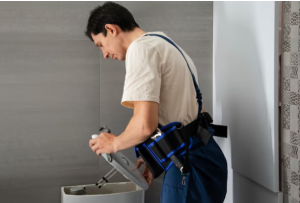
Look for Problems With the Overflow Tube
The overflow tube is designed to protect the toilet from excessive water. If the fill valve does not shut off correctly, excess water can enter the overflow tube and drain into the toilet bowl.
The overflow tube helps prevent the cistern from overfilling. If water is continuously flowing through it into the bowl, the fill valve or float may not be shutting off correctly. Inspect it for cracks, blockages or loose connections. If water is constantly running into the bowl through the overflow tube, the problem may actually be with the fill valve or float rather than the tube itself.
It is also worth checking whether the flush mechanism is allowing water to escape continuously. A worn flapper can cause the cistern to lose water as quickly as it fills, making it appear as though the toilet is not refilling properly.
Inspect the Cistern for Leaks
Leaks are another common reason for problems with toilet refilling. Look around the bottom of the cistern, the water supply connection and the area where the cistern connects to the toilet bowl.
A small leak may not always produce a large puddle. Water can sometimes travel along the outside of pipes or porcelain before reaching the floor. Check for damp areas, water marks, corrosion or mineral deposits around connections.
If the cistern is losing water because of a worn gasket or seal, replacing the affected part may solve the issue. However, if the porcelain itself is cracked, the situation is more serious and professional advice may be needed.
Cleaning and Maintaining the Cistern
Regular maintenance can help reduce the chance of refill problems. Dirt and mineral deposits can build up inside the cistern over time, affecting valves and other moving parts.
Cleaning the inside of the cistern occasionally can help you spot problems before they become serious. When cleaning, avoid harsh chemicals that may damage rubber seals or other components. Check the fill valve, float, flush valve and connections for signs of wear.
It is also useful to pay attention to changes in the toilet’s normal behaviour. A toilet that starts filling more slowly, makes unusual sounds or continues running after a flush may be showing early signs of a developing problem.
When Parts Need to Be Replaced
Cleaning and adjustment will not always solve the problem. Some cistern components eventually wear out through normal use. Rubber seals can become brittle, valves can corrode, and plastic components can crack.
When replacement is necessary, choose parts that are suitable for the specific toilet model. Using the wrong component can create further problems with water flow, flushing or the water level.
If you are unsure which part needs replacing, it is better to identify the toilet’s make and model or ask a plumber before purchasing a replacement. Correctly matched components are more likely to work reliably and reduce the need for repeated repairs.
When Professional Plumbing Help Is Needed
Some toilet problems are suitable for basic DIY repairs, but not every issue should be handled without professional assistance. If the cistern continues to remain empty after checking the water supply, fill valve and float, there may be a deeper plumbing problem.
Professional help is particularly useful when there are significant leaks, damaged pipes, heavy corrosion, cracked porcelain or repeated problems after replacing internal parts. A plumber can inspect the toilet and connected plumbing to determine whether the issue is limited to the cistern or part of a larger water supply problem.
Trying to force damaged components or dismantle connections that are heavily corroded can also make the situation worse. Getting professional assistance can prevent unnecessary damage and help restore the toilet safely.
Preventing Future Toilet Problems
A few simple habits can help keep a toilet working properly. Check the cistern from time to time and make sure the water level remains consistent. Listen for unusual running sounds and investigate any changes in refill speed.
It is also helpful to avoid placing unnecessary pressure on the flush button, lever or other toilet controls. Treating these components carefully can reduce premature wear.
If your home has hard water, mineral deposits may develop more quickly around valves and other plumbing components. Regular cleaning and maintenance can help reduce the effects of this build-up.
Keeping Your Toilet Working Reliably
A toilet that does not fill with water is usually caused by a problem that can be traced to the water supply, fill valve, float, overflow system or another internal component. Starting with simple checks can help identify the cause without immediately replacing multiple parts.
Regular maintenance is equally important. Cleaning the cistern, checking for leaks and paying attention to changes in refill speed can help catch problems early. When a component is clearly damaged, or the problem continues after basic troubleshooting, replacing the correct part or contacting a qualified plumber can restore the toilet to normal operation. A little attention to the cistern can go a long way towards keeping an essential household fixture reliable.
