

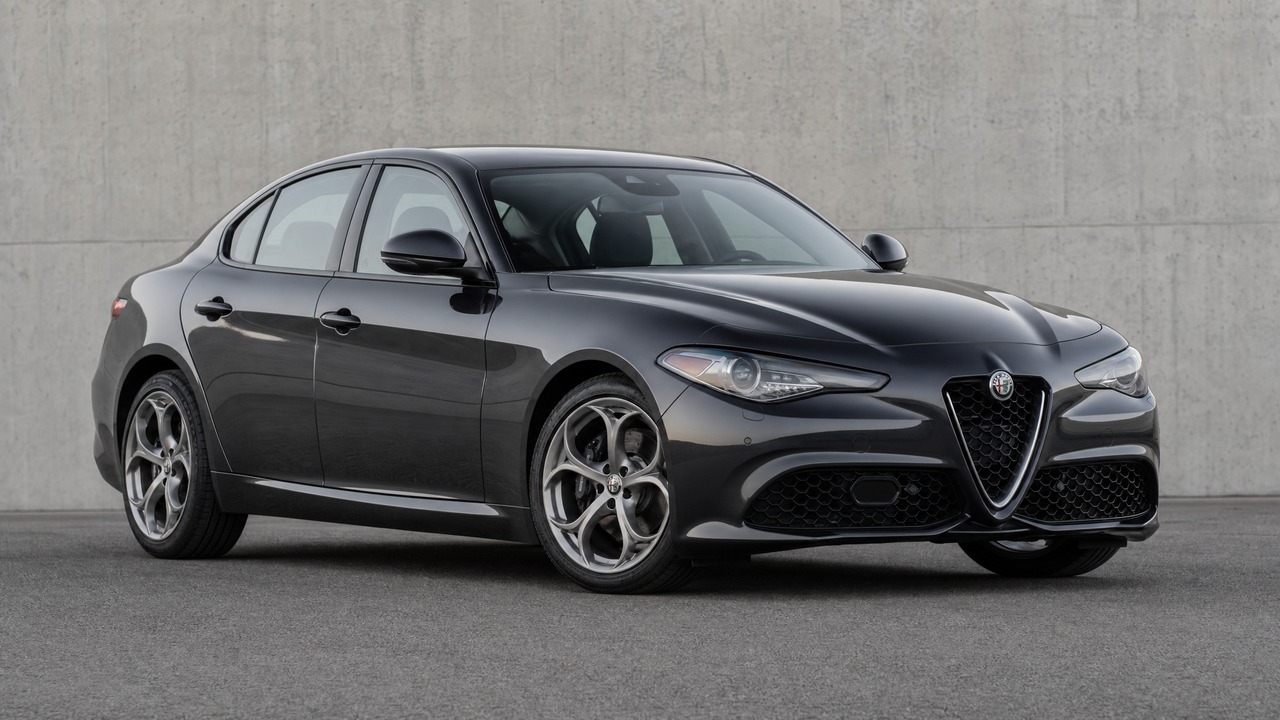
Owning an Alfa Romeo or Fiat involves more than keeping the mechanical components in good condition. Software influences how your engine responds, how safety systems operate and how faults are reported. Understanding what it does, when it needs attention and where software changes carry risks can help you make better decisions about maintenance and repairs.
Software Controls More Than Your Infotainment
Your car contains several electronic control units (ECUs), each responsible for particular functions. Depending on the model, software manages fuel delivery, ignition timing, automatic gear changes, braking assistance and stability control. Other modules operate the instrument cluster, climate controls and infotainment system. An issue in one area therefore does not necessarily point to a fault in another.
Understanding how these systems interact is important when diagnosing software-related problems. Warning lights or unusual behaviour may originate from a particular control unit, but identifying the underlying cause often requires model-specific diagnostic knowledge. Working with experienced technicians, such as Automoda Alfa Romeo and Fiat specialists, can help you distinguish between software faults, electronic component failures and mechanical issues before deciding what needs attention.
Fault Codes Need Careful Interpretation
Modern vehicles store diagnostic trouble codes (DTCs) when a monitored system detects something outside its expected operating range. A code can direct attention towards a component or circuit, but it does not prove that the component itself has failed. Weak battery voltage, damaged wiring or inconsistent sensor signals may produce similar warnings.
Basic OBD-II readers can retrieve some engine-related faults, while compatible manufacturer-specific diagnostic equipment can access additional modules and functions. Before clearing a warning, ask for the stored codes and relevant live data to be checked. Erasing a code without correcting the cause can remove useful clues while leaving the problem unresolved.
Software Updates Are Model-Specific
Updates may correct identified faults, refine system behaviour or improve infotainment compatibility. However, not every available update applies to every Alfa Romeo or Fiat. The correct procedure depends on the model, build year, control unit and existing software version. Some infotainment systems support over-the-air updates, while other changes require diagnostic equipment.
A technician should confirm the update is appropriate before installing it. Control-unit programming also needs a stable electrical supply, as interrupted programming can leave a module unable to operate correctly. You can check the manufacturer’s official owner handbook portal for model-specific documentation rather than relying on instructions for another vehicle.
Replacement Parts May Need Software Configuration
Fitting a replacement electronic component is not always the final repair step. Certain control units, sensors and other electronically managed parts require coding, initialisation or calibration before they communicate properly with the rest of the vehicle’s Controller Area Network (CAN bus). The requirements vary considerably between older and newer models.
On some Fiat and Alfa Romeo vehicles, a PROXI alignment procedure synchronises configuration information between modules after particular electronic changes. Skipping a required procedure can leave warning messages or functions that do not work as intended. Confirm whether a proposed repair includes the necessary software setup and subsequent checks.
Engine Remapping Is Not Routine Maintenance
An ECU remap changes the engine’s programmed operating parameters, potentially altering boost pressure, fuel delivery or torque output. Unlike a manufacturer-issued fault correction, performance tuning changes how the engine is intended to operate. Higher output may place additional demands on the drivetrain, cooling system and emissions equipment.
Before considering a remap, assess your vehicle’s mechanical condition and understand how the changes could affect long-term reliability. Increased power or torque may accelerate wear on components, particularly in older vehicles or those with existing mechanical issues. You should also consider potential effects on fuel consumption, insurance coverage and manufacturer warranties before making any modifications.
Understand the Software Before Changing It
Your Alfa Romeo or Fiat benefits from the same disciplined approach to software as to mechanical servicing: establish the fault, verify the correct procedure and document what changed. Keep records of diagnostic findings, updates and module replacements, especially when buying a used vehicle. Knowing the difference between diagnosis, programming and performance tuning helps you protect reliability without treating every warning light as a software problem.
